

Key Takeaways
Maintaining your car requires a structured approach to ensure long-term reliability and safety. By adhering to a consistent service schedule, you can protect your investment while keeping your driving experience smooth and enjoyable.
- Regular oil changes prevent friction and extend engine lifespan.
- Proper tire pressure significantly improves handling and fuel economy.
- Routine brake inspections identify wear before components fail completely.
- Monitoring fluid levels avoids expensive damage to critical drivetrain systems.
- Consistent electronic health checks help prevent unexpected dashboard warnings.
Regular fluid management
Staying consistent with fluid checks is the most straightforward way to maintain vehicle reliability. Fluids act as the lifeblood of your car, and keeping them at the correct levels protects complex moving parts from heat and friction. Utilizing essential maintenance tips helps ensure you catch potential leaks or degradation before they impact performance. By following these simple habits, you can often avoid more serious mechanical stress.
Checking and topping off engine oil
Engine oil prevents metal components from grinding against each other. Regularly checking the dipstick allows you to monitor the oil’s color and level, which should be done when the engine is cool. Consistent oil changes are crucial for longevity, as they remove contaminants that accumulate over thousands of miles.
Monitoring coolant levels for engine cooling efficiency
Coolant regulates the temperature of your engine to prevent overheating particularly during intense driving periods. Drivers should check the expansion tank levels periodically, ensuring the liquid is clean and reaches the designated line. Keeping the cooling system optimized is essential for preventing structural damage to the block.
Understanding transmission fluid change intervals
Transmission fluid ensures your gear shifts remain smooth and responsive. While some modern systems are designed for long intervals, ignoring manufacturer recommendations can lead to sluggish gear engagement. Keeping this fluid fresh is vital for protecting the delicate transmission assembly.
Importance of flushing brake fluid for safety
Brake fluid is hygroscopic, meaning it absorbs moisture over time, which can lower its boiling point and compromise braking force. Flushing the system replaces old, oxidized fluid with fresh material, maintaining consistent pressure across the lines. Neglecting this maintenance could lead to a spongy pedal feel when you need stopping power most.
Tire care and wheel performance
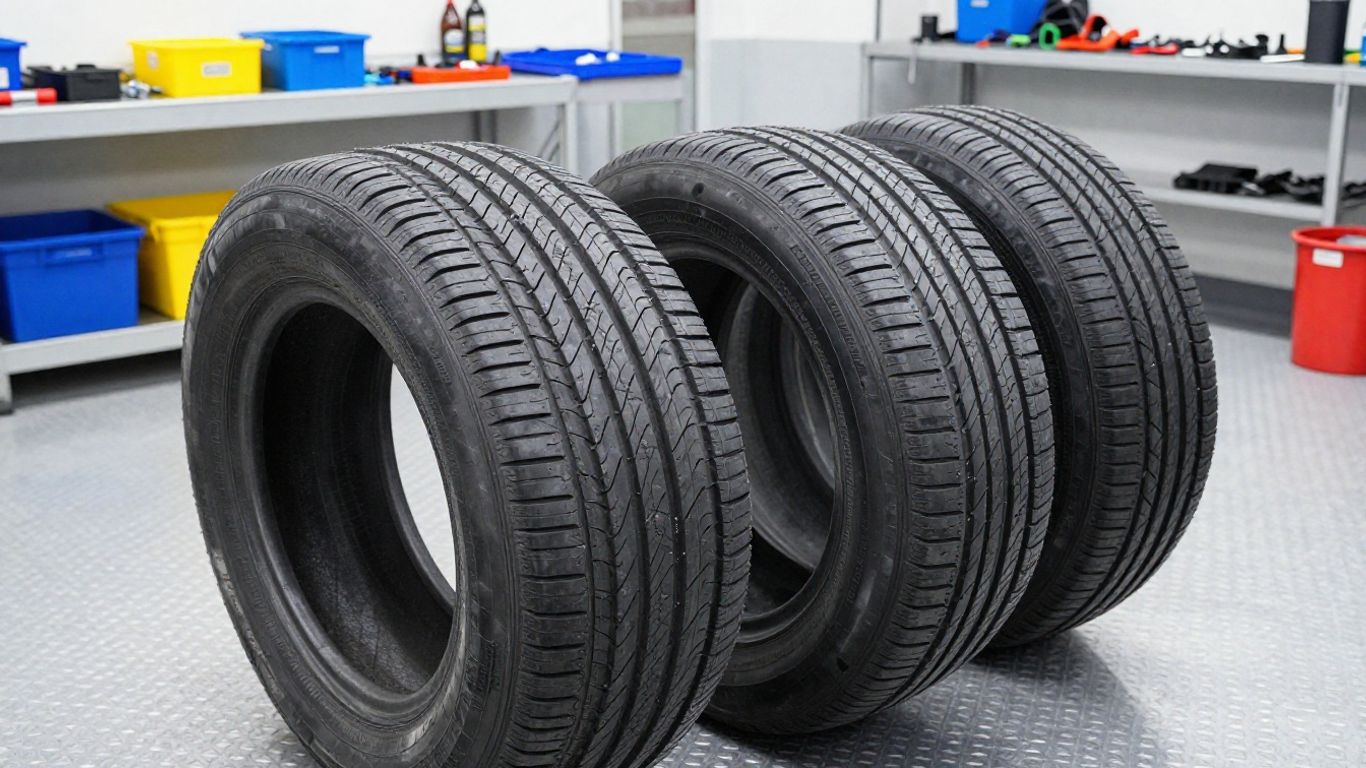
Wheels and tires remain in contact with the ground at all times and bear the full weight of the vehicle. Ensuring peak vehicle performance requires taking proactive measures to protect the integrity of your tires and suspension system. Relying on essential maintenance habits often makes the difference between a smooth ride and a jarring, misaligned driving experience.
Maintaining optimal tire pressure
Operating with improper pressure affects both the grip of the tire and its overall physical longevity. You should check the placard inside the driver’s door to find the specific pressure ratings for your vehicle. Maintaining the correct psi helps the tires sit flat on the pavement for better efficiency.
Monitoring tread depth for better handling
As tires wear, their ability to channel water away from the contact patch decreases significantly. You can monitor this by checking wear bars integrated into the grooves or using a depth gauge. A consistent focus on tire health prevents hydroplaning and improves cornering safety.
Rotating tires to ensure even wear
Front and rear tires experience different stresses based on driving style and weight distribution. Regularly rotating them allows each tire to wear more gradually, extending the total life of the set. Incorporating these steps into your service routine ensures balance across all four wheels.
Alignment checks for steering precision
Suspension parts can shift slightly over time, leading to uneven tire wear and a pulling sensation in the steering wheel. Periodic alignment checks keep the geometry correct, which prevents premature tire degradation and ensures the car tracks straight. Following these essential maintenance tips for your wheel set protects your investment.
Brake system integrity
Your braking system requires consistent care, as it provides the most important safety function in your vehicle. Keeping an eye on your pads and rotors ensures that the stopping force remains strong under all conditions. You might find that effective maintenance tips for your brake lines are just as important as the physical hardware itself.
Monitoring brake pad thickness
Brake pads provide the necessary friction to stop the rotating assembly. You should visually inspect the pad material through the wheel spokes every few months to ensure they have sufficient surface area. Once the thickness drops below the specified minimum, they require immediate attention to prevent rotor damage.
Identifying rotor wear and warping
Rotors endure extreme heat every time the vehicle slows down. Over time, surfaces can become scored or slightly warped, often causing vibrations in the steering wheel during braking. If you feel a rhythmic pulsation, it likely indicates the rotors need to be resurfaced or replaced to restore a smooth response.
Recognizing symptoms of air in the lines
Air bubbles trapped in the hydraulic system prevent the fluid from transferring pressure effectively to the calipers. If the brake pedal feels soft or sinks to the floor, it is a clear sign that the system needs bleeding. Below is a comparison of typical brake system symptoms.
| Symptom | Probable Cause | Recommended Action |
|---|---|---|
| Soft pedal feel | Air in hydraulic lines | Perform a full system bleed |
| High-pitched squeal | Worn brake pad indicators | Inspect and replace worn pads |
| Steering vibration | Warped or uneven rotors | Resurface or install new rotors |
Addressing these issues early prevents minor discomfort from becoming a major safety hazard. Proper maintenance like this supports long-term vehicle health and predictability.
Choosing between OEM and aftermarket parts
Choosing the right components requires balancing cost and quality relative to your specific driving needs. OEM parts come engineered for exact compatibility, while aftermarket alternatives may offer different durability or price points. Always compare the specifications before settling on a replacement.
Engine health and ignition systems
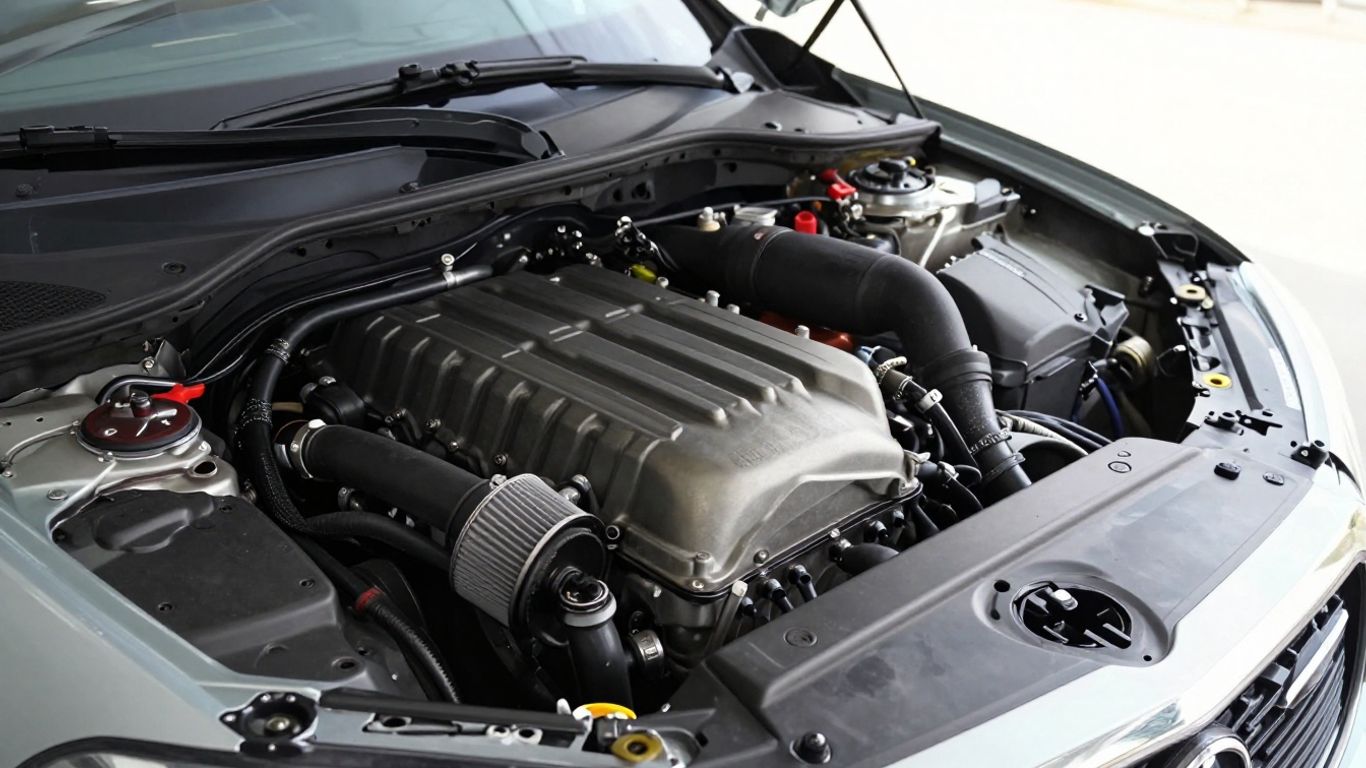
Keeping the heart of your car functional requires meticulous attention to the ignition sequence and airflow paths. A clean, well-serviced engine delivers the power and efficiency promised during the initial purchase. For those tackling routine vehicle maintenance, focusing on these ignition components is a must.
Following Audi scheduled service intervals
Scheduled service intervals define exactly when certain components require inspection or replacement. Adhering to these manufacturer-specified timelines catches hidden issues before they escalate from minor performance drops to total failure. These intervals are scientifically built to provide the most reliable experience.
Inspecting spark plugs and ignition coils
Spark plugs provide the jump needed to ignite the air-fuel mixture inside every cylinder. Damaged or fouled plugs results in misfires and poor acceleration, while worn coils can lead to incomplete combustion. Periodic removal and inspection allow you to monitor the internal health of the engine block.
Replacing air filters for improved airflow
An engine needs a steady supply of air to create power while maintaining efficiency. Clogged air filters choke the engine, forcing it to work harder and increasing fuel consumption. Swapping out dirty filters is one of the easiest ways to recover lost performance.
Cleaning fuel injectors for consistent combustion
Fuel injectors deliver precise amounts of gasoline into the combustion chamber. If these tiny nozzles become clogged with residue, the spray pattern changes, leading to an irregular idle. Keeping them clean ensures that every stroke is as efficient as the last. You can also explore energy-saving home appliances elsewhere, but internal engine maintenance remains the priority here.
Exterior and interior upkeep
Maintaining the aesthetic quality of your vehicle protects its market value and your everyday comfort. A clean exterior shields the body panels from corrosion, while a well-kept cabin ensures that your personal space remains a sanctuary on the road. You can trust professional services like those covering commercial office painting for building care, but your car needs your personal oversight.
Preserving Audi paintwork with proper detailing
Environmental contaminants like bird droppings, tree sap, and road salt can etch into the clear coat if left for too long. A simple wash and protect routine preserves the shine and prevents long-term oxidation. Gentle cleaning products help keep the exterior finish vibrant throughout the life of the lease.
Maintaining leather upholstery and interior trim
Leather requires hydration to prevent cracking and fading from UV exposure. Regularly treating the surfaces with quality balms helps maintain their supple texture. Cleaning the interior trim with microfiber cloths also prevents the accumulation of dust that can cause scratching over time.
Checking cabin air filters for air quality
Cabin filters block dust, pollen, and pollutants from entering the vents while you drive. If you notice a musty scent or reduced airflow through the dash, the filter is likely near the end of its life. Replacing it helps keep the air inside the cabin clean enough for every passenger.
Ensuring headlight and taillight functionality
Visibility depends entirely on the clarity and function of your lenses. If you notice a flickering bulb or a lens that has dulled over the years, immediate resolution is necessary for safety. Keeping these systems clear allows you to see the road ahead while ensuring other motorists see you clearly.
Troubleshooting electronics and warnings
Modern vehicles are computers on wheels, and the communication between sensors and the driver is continuous. Understanding what the dashboard is telling you prevents minor digital hiccups from turning into major headaches. Whether you need professional advice or just a simple scanner, keep a cool head.
Interpreting Audi MMI dashboard alerts
Dashboard warnings are designed to inform you about vital systems before failure occurs. Icons often prioritize severity, from informational notices to warnings that require immediate parking of the car. Learning these symbols helps you distinguish between regular service reminders and critical malfunctions.
Managing battery health and voltage
Batteries provide the starting power to wake up all the vehicle’s electronic systems. In colder climates, batteries lose potency faster, making a voltage check a smart seasonal habit. Ensuring your terminals are clean and tight also helps in maintaining a reliable start every morning.
Updating system firmware at the dealership
Software updates occur behind the scenes to optimize transmission behavior and increase infotainment efficiency. These updates are best handled at an authorized center where they use tools calibrated for your specific model. Staying current allows you to benefit from the latest improvements released by engineering teams.
Responding to check engine light scan codes
When the check engine light illuminates, the diagnostic system has detected a parameter that falls outside of expected ranges. Using a code scanner can help you understand whether the fix is minor, such as a loose filler cap, or something that needs professional intervention. You can even consider the versatility of silicone for minor trim fixes while checking codes.
Conclusion
Keeping your vehicle in top condition requires consistent habits and attention to detail. By monitoring fluid levels, checking your tires, and listening to the signals your car provides, you ensure that every part of the machine works in harmony for years to come. Remember that steady, routine care is always better than reactive repairs.
Frequently Asked Questions
How often should I perform an oil change?
Most modern engines benefit from oil changes every 5,000 to 10,000 miles. Always check your manual as factors like commute length and weather can shift these intervals.
What does the check engine light usually mean?
It indicates a sensor or component has triggered a diagnostic code. While it can range from a loose gas cap to a failing sensor, professional scanning helps identify the exact cause.
Why do my brakes feel spongy?
Sponginess usually points to trapped air in the brake lines or thin, contaminated fluid. This requires a hydraulic system bleed to restore a firm pedal feel.
How can I improve my gas mileage?
Keeping tires at the recommended pressure and replacing dirty air filters are the two most effective ways to boost your fuel efficiency. A smooth, well-tuned engine performs significantly better.
What should I look for when buying tires?
Ensure the tires meet your manufacturer’s speed and weight ratings. Look for tread patterns suited to your local climate to guarantee traction in all road conditions.
Can I use aftermarket parts for repairs?
Quality varies widely among aftermarket parts, so research the manufacturer thoroughly. While they can be cost-effective,OEM parts generally provide the best fit and function for specific components.
Where can I find my service schedule?
The service schedule is always located in your owner’s manual’s maintenance section. It provides a comprehensive timeline for every major inspection and replacement your vehicle needs.