

Key Takeaways
Effective engine maintenance ensures longevity and reliability for German vehicles through systematic evaluation processes. Understanding data streams and proper diagnostic practices simplifies the repair journey for every owner.
- Advanced communication protocols allow modern vehicles to report internal errors with high precision to service equipment.
- Identifying early symptoms like dashboard warnings or performance changes prevents escalation into costly mechanical damage.
- Professional-grade diagnostic tools distinguish between manufacturer-specific issues and general engine faults.
- Correct interpretation of diagnostic trouble codes requires context from freeze frame data to identify the true root cause.
- Proper documentation and technical preparation facilitate efficient shop visits by providing technicians with clear symptom narratives.
Understanding the Audi diagnostic communication protocol
The diagnostic architecture within these vehicles relies on sophisticated data exchange methods that remain largely hidden from the driver. By utilizing standardized electronic platforms, modules communicate critical health status updates across the internal network. This interconnected nature enables centralized scanning that provides a complete overview of the system state before a technician even touches the hood.
The role of the Controller Area Network bus
The Controller Area Network bus serves as the primary backbone for all peripheral module communications within newer vehicle architectures. By facilitating high-speed data transmission between control units, the system ensures real-time oversight of powertrain performance. This integration makes Audi service and repairs much more precise since engineers monitor multiple sensors simultaneously.
KWP2000 and UDS protocols explained
These protocols define the language that scanners use to request and receive technical information from the vehicle. While KWP2000 served as an early standard for diagnostic dialogue, the Unified Diagnostic Services (UDS) protocol provides far more granular control over individual vehicle modules. Because of this deeper access, modern tools can perform complex read-and-write operations that were historically impossible.
How data packets facilitate accurate error reporting
Errors are translated into discrete data packets that capture the exact state of the engine at the moment of a fault. When a sensor detects an anomaly, it broadcasts these packets across the network, which are then compiled into readable reports. This electronic reporting is fundamentally changing how we understand Audi engine diagnostics in modern service centers.
Common early warning signs of engine trouble
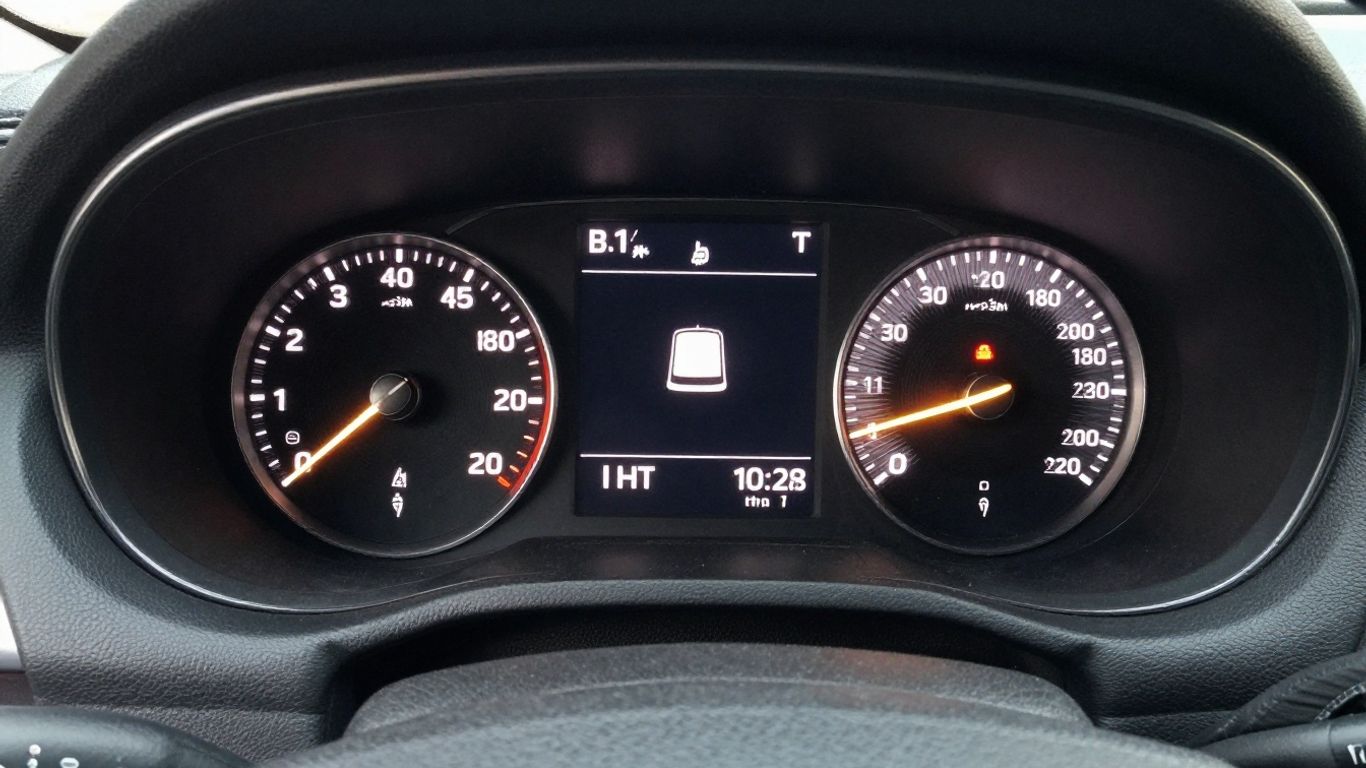
Vehicle systems are designed to provide feedback well before a catastrophic failure occurs, provided the owner pays attention to the subtle cues. While some changes are gradual, others demand immediate inspection to protect the investment in the vehicle. Developing a routine to monitor sound and feel helps maintain structural integrity over the high mileage cycles associated with these engines.
Interpreting the dashboard Check Engine light
The most common indicator of internal distress is the illumination of the Check Engine Light, which often stems from faulty sensors or emission components. Ignoring this light can trigger secondary failures, such as damaged catalytic converters or ignition failures, which might be avoided through early intervention using documented Audi repair and diagnostics methods.
Recognizing abnormal vibrations or audible engine strain
Audible changes such as clicking, whistling, or an unstable idle suggest that engine timing or air-fuel mixtures might be out of balance. Because these machines are precision-engineered, any deviation from the standard operating noise should trigger a thorough inspection. Often, these symptoms reflect mechanical Audi service and parts requirements that, if caught early, are quite manageable.
Performance drops and power loss during acceleration
Drivers often notice hesitation or a surge in power output that feels inconsistent with pedal pressure. This sensation frequently points to air intake restriction or issues with boost pressure delivery. When you experience these symptoms, the following list describes common check points:
- Inspect ignition coils for carbon deposits or fatigue.
- Examine intake hoses for microscopic cracks or wear.
- Review wire connectors for signs of oxidation.
- Verify fuel pump pressure logs in the gateway list.
Maintaining these aspects prevents the engine from entering limp mode during normal daily operation.
Monitoring fluid leaks and unusual exhaust smoke
Smoke or fluid accumulation underneath the vehicle signals a breach in the cooling or lubrication systems that requires immediate attention. Even small leaks indicate that internal seals have lost their effectiveness, potentially starving the drivetrain of vital fluids. Quick identification through visual checks prevents the long-term degradation of critical engine components.
Essential tools for professional-grade diagnostics
Proper assessment of a vehicle requires access to the right hardware to interface with proprietary systems. Generic tools often lack the depth needed to parse specific manufacturer codes, leading to inaccurate conclusions about the health of the engine. Investing in high-quality diagnostic hardware ensures that the data gathered is actionable and accurate.
OBD-II scanners versus manufacturer-specific tools
While generic OBD-II scanners can read baseline emissions codes, they often fail to pull deeper data from comfort and transmission modules. Manufacturer-specific tools utilize technical SEO logic to structure data, allowing for deeper access that simple readers simply cannot replicate. Using the right tool effectively eliminates guesswork during the repair process.
Multimeters for electrical circuit testing
A high-quality digital multimeter allows technicians to measure current, voltage, and resistance across sensitive wiring harnesses. When diagnosing mysterious intermittent faults, the raw data provided by a multimeter is often more reliable than software-based logs. It acts as the final arbiter for confirming whether a sensor has truly failed or if a physical connection is the root cause.
Data logging through smartphone integrations
Modern interfaces allow users to stream live sensor data directly to their handsets during test drives, capturing real-time behavior under load. This method is particularly useful for identifying issues that only appear at specific engine temperatures or driving speeds. By analyzing these logs, owners can provide service centers with concrete historical evidence to aid the diagnostic process.
Pressure gauges for compression and fuel system testing
Direct physical testing through pressure gauges remains a standard way to verify internal component functionality. When electronic sensors suggest a performance loss, verifying the physical compression or fuel pressure confirms the mechanical health of the cylinder assembly. The table below provides a quick reference for standard testing expectations:
| Test Type | Expected Range (PSI) | Frequency |
|---|---|---|
| Cylinder Compression | 160-200 | 50k Miles |
| Fuel Rail Pressure | 40-60 | Annually |
| Vacuum System | 18-22 | Inspection |
Using these physical metrics alongside electronic data confirms the mechanical integrity of the engine components.
Interpreting diagnostic trouble codes

Diagnostic Trouble Codes (DTCs) act as the primary language for understanding why a vehicle system has entered an abnormal state. Deciphering these alphanumeric sequences requires distinguishing between transient issues and deep-seated mechanical failures. Understanding the anatomy of the code itself allows technicians to prioritize repairs effectively.
Anatomy of a P-code: what the digits reveal
Each digit in a P-code categorizes the specific system, the fault type, and the severity level. The first letter identifies the system area, while the subsequent numbers narrow down the exact circuit or component malfunctioning. Learning to decode these digits helps distinguish between simple sensor errors and major mechanical failures.
Differentiating between intermittent and permanent codes
Intermittent codes often trigger alerts that vanish after a few duty cycles, while permanent codes indicate a persistent fault that the ECU consistently verifies as failing. Recognizing this difference is crucial for determining how urgent a problem might be. A code that reappears immediately after erasure usually points toward a failed hardware component that needs replacement.
Using freeze frame data to identify environmental conditions
Freeze frame data captures the exact load, throttle position, and engine temperature present at the moment a code is set. This snapshot is invaluable for identifying the environmental triggers of an intermittent fault. Without context, it is impossible to know whether the engine was idling or under heavy load when the error occurred.
Risks of clearing codes without addressing root causes
Many owners mistakenly believe that clearing codes solves the problem, but this only masks the symptoms while leaving the mechanical failure intact. Ignoring the underlying trigger leads to inefficient fuel operation and potential long-term damage to the exhaust system. Diagnostic codes should always be treated as a roadmap, not an obstacle to be bypassed.
The importance of specialized Audi software
To really dig into system-level operations, you need software designed for manufacturer protocols rather than generic code readers. These programs allow for deep system analysis and customization of various modules. By leveraging documented capabilities, owners can better monitor the long-term health of their vehicles.
Benefits of using VCDS for deep system analysis
VCDS provides a professional-level diagnostic surface that allows users to perform nearly every scan and adaptation possible. It is the gold standard for enthusiasts who need to inspect every module in the gateway list. For complex issues, the sheer depth of information available makes this software an essential addition to any maintenance kit.
Accessing hidden features and settings with OBD11
OBD11 offers a user-friendly way to modify vehicle settings through simple presets that change specific bit-level configurations. It bridges the gap between basic diagnostics and full coding, letting users customize lighting or convenience features within seconds. This tool demonstrates that coaching your prompt to be specific allows for effective software management.
Managing gateway installation lists and module coding
When replacing electrical modules, updating the gateway list is essential to ensure that the new unit integrates correctly with the network bus. This process requires precise module coding, as each component in a modern vehicle expects a specific communication handshake to remain active. Improperly configured lists often lead to dashboard warnings that seem unrelated to the actual part replaced.
Distinguishing between firmware updates and diagnostic scanning
Firmware updates involve modifying the operating software of a control unit to improve efficiency or fix known bugs. In contrast, diagnostic scanning only monitors the environment and reports findings without altering the code on the chips. Confusing these two processes leads to unnecessary risk, as firmware changes are usually best left to authorized service centers.
Preparing your vehicle for a diagnostic appointment
Heading to the shop becomes much more efficient when the customer arrives with a prepared, logical account of the issue. Service advisors depend on accurate symptom logs and maintenance histories to guide the technicians effectively. Creating a detailed list of what happens during normal driving helps to isolate the problem faster.
Documenting specific symptoms and driving conditions
Create a log covering when the fault occurs, including transmission status, weather conditions, and whether the engine was at operating temperature. This context is arguably essential for a fast, accurate resolution of any electrical or drivability concern. The more data a technician has, the less time they spend hunting for the cause.
Knowing when to maintain or clear non-persistent codes
While permanent codes must be addressed, some transient errors occur due to minor voltage spikes or environmental changes. Deciding which codes to clear and which to monitor requires a bit of patience and observational experience. Unless a fault is mission-critical, it is often wise to watch if it returns before booking an expensive visit.
Ensuring stable battery voltage for accurate testing
Low voltage causes unstable data packets across the network, often triggering a cascade of false error codes in modules that are functioning perfectly. Before performing any scanning, ensure the voltage reaches a stable state above 12 volts while under load or with the charger attached. Unstable power is the most frequent cause of misinterpreted diagnostic sessions.
Translating your maintenance history for the technician
Documenting and presenting your maintenance history provides the necessary context for effective troubleshooting. Keep all receipts for past work cleanly organized so the person performing the diagnostics knows exactly which parts were recently serviced or replaced.
Maintaining a precise history reduces redundant checks and ensures the repair budget is allocated strictly towards the current issue, rather than repeating basic troubleshooting steps.
Conclusion
Managing engine health requires a combination of observant driving, proper software tools, and proactive small-scale maintenance. By understanding how the internal network reports performance data, you effectively reduce the complexity of vehicle ownership. Consistent attention to these details ensures that any diagnostic event remains a minor checkpoint rather than a major disruption of your daily driving experience.
Frequently Asked Questions
Should I clear engine error codes on my own?
Clearing codes without diagnosing the cause often masks recurring issues. While it turns off the light, the underlying mechanical stress remains present, which could cause further degradation over time.
Why does my engine light appear more often during cold weather?
Temperature changes trigger shifts in fluid density and battery capacity, which can lead to false sensor readings in sensitive electronic circuits. This is particularly common in older vehicles with aging electrical insulation.
Is a professional diagnostic always expensive?
Diagnostics vary in price depending on the complexity of the fault. By performing simple visual checks and documenting symptoms, you can sometimes narrow the scope, which helps reduce shop time and overall service costs.
Can my phone scanner do what a dealer tool does?
Consumer-grade apps are great for reading basic information, but they lack the access level required for module coding or advanced firmware diagnostics. You are limited to observing data rather than changing it.
What does it mean when a warning light flashes?
A flashing warning light is an urgent status alert indicating a critical engine misfire that could lead to immediate component destruction. You should stop driving and seek professional assistance immediately when a light begins to flash.
Does fuel quality really affect engine diagnostics?
Yes, low-quality fuel can lead to inconsistent combustion, which sensors identify as an engine misfire. This often sets off diagnostic trouble codes that look like ignition problems but are actually fuel delivery issues.
How often should I perform a health scan?
Running a scan every six months or before any long-distance trip helps identify potential issues before they become audible. Preventive scanning is a proactive way to maintain performance and reliability.