

Key Takeaways
Maintaining the engine health of your vehicle requires consistency and adherence to factory standards. This guide covers the essential steps and decisions for DIY or professional oil services.
- Regular oil changes prevent sludge and protect turbochargers.
- Always refer to the manufacturer’s specific service schedule.
- Only use motor oils that meet required VW/Audi specifications.
- Proper tools and safety gear are essential for the procedure.
- Document all maintenance to ensure long-term vehicle resale value.
Why proper oil maintenance matters for your Audi
Proper lubrication is the lifeblood of German-engineered machinery. High-performance engines require specific fluid care to function as intended over the long term.
Protecting high-performance turbochargers
Modern engines utilize turbochargers that reach extreme temperatures and rotational speeds. Fresh oil ensures that bearings remain properly lubricated to avoid catastrophic failure, helping you protect your investment through regular maintenance.
Maintaining fuel efficiency and engine cooling
Oil circulates heat away from critical internal components like pistons and cylinder walls. When oil degrades, it loses its ability to transfer heat effectively and increases internal friction, negatively impacting overall fuel efficiency.
Preventing sludge buildup in direct-injection engines
Direct-injection technology provides immense power but creates fine particulates that can contaminate the oil supply quickly. Using high-quality synthetic lubricants prevents internal sludge buildup, which is a common cause of engine damage.
Determining your specific Audi oil change interval

Vehicle owners often rely on generic advice, but factory specifications are the ultimate authority. Understanding your unique service timing is critical to keeping the vehicle running reliably.
Understanding the manufacturer’s recommended schedule
Most modern models follow a strict 10,000-mile or 12-month interval. You should consult the manual to identify the 2024 Audi Q5 2.0L Turbo maintenance schedule or whichever specific model you operate.
Factors affecting oil life in stop-and-go driving
Environmental conditions such as extreme heat or heavy city traffic can shorten the useful life of your lubricant. If you frequently navigate short distances while the engine remains cold, consider shortening your service cycle to prevent premature viscosity breakdown.
Monitoring oil quality via the MMI system
Modern vehicles are equipped with electronic sensors that track oil levels and condition. You can access this information via the MMI interface to stay informed about your current status, though these systems should not replace physical checks during Audi oil change near me service inquiries.
Essential tools and supplies for an Audi oil change
Gathering the correct components before starting is half the battle. Precision engineering relies on parts that fit perfectly and perform under stress.
Selecting certified VW/Audi oil specifications
Engine oil must match factory-approved standards rather than just general viscosity grades. Using non-approved fluids can harm components or impact litigation basics related to warranty disputes if the wrong product is used.
Choosing the correct oil filter and drain plug gaskets
Always replace the copper or aluminum crush washer every time the drain plug is removed. A fresh washer prevents leaks, while a high-quality filter maintains flow consistency throughout the service interval.
Necessary hand tools for undercarriage splash panels
Most under-engine aerodynamic shielding requires T25 or T30 Torx bits. Having a reliable set of hand tools ensures you do not strip the plastic fasteners found on many Audi Canada models.
Utilizing an oil extractor versus a traditional drain pan
Extraction pumps allow for cleaner service by pulling fluid through the dipstick tube. However, traditional gravity draining is sometimes preferred by technicians to remove heavier sediments from the bottom of the pan.
The following items are mandatory for standard service:
| Item | Function | Notes |
|---|---|---|
| Synthetic Oil | Lubrication | Must meet factory codes |
| Oil Filter | Contaminant removal | Always use genuine parts |
| Drain Washer | Seal | Replace every time |
Step-by-step procedure for changing your Audi oil
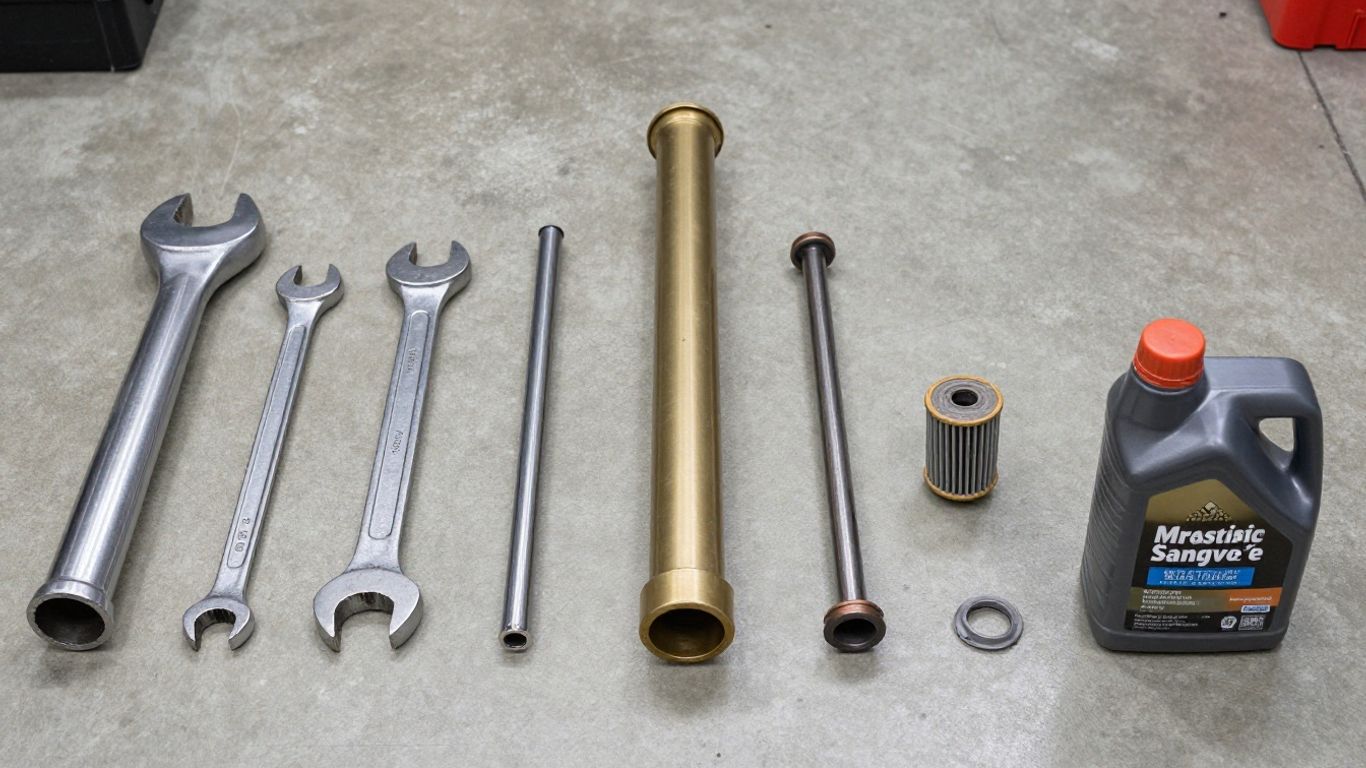
Executing the service yourself requires patience and careful preparation. Following the standard Audi oil change guide ensures that every detail, from the filter seal to the drain bolt, receives proper attention.
Preparing the vehicle and safety precautions
Raise the vehicle on a level surface using a proper lift or jack stands. Ensure that you have adequate ventilation and that the engine has cooled sufficiently to prevent burns during the process.
Draining the oil or using an oil extractor pump
If using a gravity drain, position your pan and slowly remove the bolt, keeping the oil stream controlled. If using an extractor, insert the tube completely until it hits the pan floor to ensure maximal removal of the old lubricant.
Replacing the oil filter and housing seals
Always apply a light film of clean oil to the new filter gasket. This prevents the rubber seal from binding or tearing when you tighten the housing into place, a crucial step for leak prevention during the life of the engine.
Refilling with the correct volume and viscosity of oil
Double-check your required capacity before pouring in the new oil. Overfilling can lead to excessive crankcase pressure, so add 90% of the volume first before checking the reading via your electronic sensor.
Resetting the oil service indicator light
Once the oil is at the correct level, use your diagnostic tool or the vehicle menus to update the system. Failure to reset the indicator effectively masks when the next service is required.
Choosing the right synthetic oil for your engine
Modern European engines have specific lubrication demands that require top-tier synthetic fluids to operate correctly.
Decoding Audi oil standards and approvals
Approvals like VW 502.00 or 504.00 indicate the oil has been tested for high-heat, high-pressure environments. These standards are not suggestions; they are requirements for protecting modern engine components.
Benefits of full synthetic versus synthetic blend
Full synthetic oils offer superior resistance to thermal breakdown. While synthetic blends are cheaper, they cannot handle the high operating temperatures typical of high-output engines.
Impact of oil viscosity on ignition timing and engine health
Viscosity affects how oil moves through small oil galleries and actuators, such as those controlling variable valve timing. Incorrect thickness can lead to delayed lubrication delivery, even affecting how EarnBill’s essential customer management features would interpret fleet health if tracked centrally.
Troubleshooting common issues during an oil change
Even experienced owners encounter challenges during routine maintenance. Remaining calm and using the right equipment will solve most common problems.
Managing stripped oil pan threads or drain bolts
A stripped drain plug is a major headache, often occurring from over-tightening. If the threads are compromised, you may require a thread repair kit or an entirely new oil pan to fix the seal properly.
Handling stubborn or stuck oil filter housings
Sometimes filters or plastic housings seize due to heat cycling or incorrect prior installation. Use a dedicated filter wrench to avoid plastic fatigue, and ensure the tool mates perfectly with the housing grooves.
Interpreting common dashboard warnings after a service
If you see a pressure warning, check your oil level immediately. Often, simply resetting the service interval in the ECU will clear transient warnings related to maintenance scheduling.
When to choose a professional service over DIY
Doing your own work is rewarding, but specific cases justify hiring a technician.
Complexity of removing under-engine aerodynamic shielding
Accessing the pan sometimes involves complex removal of heavy cowls and shielding. You might find that the time required makes Do-it-yourself guide labor less appealing than professional shop speed.
Importance of documented service history for vehicle resale
If you eventually decide to sell your house or your car, having a verified service record from a dealership is a major value indicator. Professional documentation is often worth more than the cost of a few DIY oil changes.
Specialized equipment required for newer hybrid and electric models
Newer platforms require battery management, which is significantly more complex than standard ICE servicing. Deciding on the right battery size or handling high-voltage systems is best left to trained specialists with factory diagnostic equipment.
Conclusion
Consistent oil changes are fundamental to preserving the longevity and performance of your vehicle. By adhering to the manufacturer’s intervals and using the correct approved fluids, you protect your engine from premature wear, ensuring your investment remains efficient and powerful for years of driving ahead.
Frequently Asked Questions
Can I use any high-quality oil for my Audi?
No, you must use oil that meets the specific VW/Audi approval standard listed in your owner’s manual to ensure proper lubrication of complex engine systems.
How often should I check my oil level?
It is good practice to check your oil level every few thousand miles or before long trips to ensure your engine maintains its required fluid pressure at all times.
Is it okay to extend my oil change interval?
Exceeding the manufacturer’s suggested interval can accelerate sludge buildup and wear, so you should strictly stick to the 10,000-mile or 12-month recommendations.
What happens if I overfill the engine with oil?
Overfilling can create excess foam in the oil, cause increased crankcase pressure, and potentially lead to oil entering areas of the engine where it could cause damage.
Should I always change the oil filter?
Yes, the oil filter should be replaced with a high-quality unit during every single oil change to ensure that contaminants are effectively removed from the circulating oil.
Can I use an oil extractor if my engine has a drain plug?
Yes, many people prefer extractors because they allow for a clean, mess-free service without the risk of damaging the drain plug threads during removal.
Will a DIY oil change void my warranty?
Performing your own maintenance usually does not void your warranty as long as you use approved parts and fluids, keep detailed receipts, and document the mileage and date of every service.