

Key Takeaways
Staying proactive with your vehicle maintenance provides the best defense against long-term mechanical degradation and rising ownership costs. By understanding how to interpret warnings and perform basic checks, you can maintain your car’s reliability over time.
- Regular scanning of electronic modules identifies issues before they escalate.
- Monitoring fluid levels and viscosity prevents premature internal wear.
- Early detection of ignition system failures restores power and engine efficiency.
- Professional diagnostic tools remain necessary for complex software-related faults.
- Consistent service intervals ensure that safety systems like airbags and brakes remain active.
Diagnostic basics for common Audi issues
Modern vehicles are complex networks of sensors and electronic control units that communicate to monitor every aspect of performance. When systems deviate from specified parameters, they generate codes that allow owners and mechanics to pinpoint failures quickly. Maintaining a solid baseline of knowledge regarding these systems helps you navigate common maintenance checkpoints with confidence.
Using an OBD-II scanner to read trouble codes
An OBD-II scanner serves as your primary tool for gathering information when the check engine light illuminates. By interfacing with the vehicle’s diagnostic port, you can pull specific fault codes that identify which component is triggering an error. This process is far more efficient than guessing, allowing you to fix my Audi problems with a clear focus on the culprit rather than chasing symptoms.
Interpreting dashboard icons and warning lights
Dashboard warning lights act as the primary communication channel between your car’s brain and the driver. A yellow alert often signals a non-critical maintenance need, while a flashing red icon demands your immediate attention. Familiarizing yourself with these symbols prevents you from ignoring signs that could lead to engine or braking system damage.
Checking essential fluid levels and viscosity
Fluids move through your engine to regulate heat, lubricate moving parts, and transfer pressure. Regularly checking these levels ensures that internal components avoid friction-based fatigue. You should verify your coolant, oil, and brake fluid once a month, noting any change in color or viscosity that might indicate contamination.
Performing a visual inspection of the engine bay
Opening the hood for a physical walkthrough can reveal hidden wear that electronics might overlook. Look for cracked rubber hoses, frayed electrical wiring, or unexplained wet patches around gaskets and cooling components. These subtle signs act as early warnings for many common maintenance needs long before a warning lamp hits your dashboard.
Addressing engine performance and power loss

Performance issues often manifest as a loss of responsiveness or a drop in fuel economy. When the engine struggles to maintain a consistent idle or surges during acceleration, the culprit is usually found in the air intake or fuel combustion sequence. If you encounter these symptoms, professional Audi Bellevue service is a great option for precise mechanical intervention.
Troubleshooting failing ignition coils and spark plugs
Ignition coils and spark plugs are the foundation of your vehicle’s combustion cycle. As these components age, they create weak electrical arcs, resulting in misfires and a noticeable loss of power under load. Replacing these modules in sets ensures consistent performance across all cylinders.
Identifying symptoms of mass air flow sensor errors
Your mass air flow sensor measures the volume of air entering your engine, which determines the fuel mixture. If this sensor sends inaccurate data, your car may suffer from rough idling or stalling. Because it sits in the intake path, dirt and oil film can easily disrupt its sensitive internal components.
Managing carbon buildup in direct-injection engines
Direct injection delivers fuel directly into the combustion chamber, which improves efficiency but allows carbon deposits to accumulate on intake valves. Over time, these deposits restrict airflow and hamper cold-start performance. Periodic cleaning treatments help maintain responsiveness and keep the engine running smoothly as it ages.
Detecting vacuum leaks in the turbocharger system
Turbos rely on high-pressure air, meaning any leak in the system causes a massive drop in performance and efficiency. Listen for loud hissing sounds while the engine is under load, which is a telltale sign of a torn hose or loose clamp. A stable vacuum circuit is critical for achieving optimal torque and acceleration.
Troubleshooting electrical and lighting faults
Electrical gremlins are notoriously frustrating because they can be intermittent or difficult to trace. When you notice persistent dashboard warnings, finding a reliable Audi Denver service center for diagnostics can save you from replacing healthy parts by mistake. Systematic testing is the only way to isolate whether a fault originates in a sensor, a relay, or the wiring harness itself.
Testing battery health and alternator output
Modern cars require a consistent voltage supply to operate sensitive computer modules. A failing battery or alternator leads to erratic behavior across all electronic systems, turning simple drives into potential stranded situations. Use a multimeter to confirm that your charging system maintains a steady voltage output even while accessories like headlights and air conditioning are active.
Resolving persistent blown fuses and relay failures
Fuses are sacrificial components designed to break before wiring sustains heat damage. If a fuse blows repeatedly, you likely have a short circuit that requires immediate investigation to prevent fire hazards. Relays, meanwhile, act as switches that handle high currents, and their contact internal plates can wear out after thousands of activation cycles.
Fixing intermittent electronic glitches in cabins
Cabin electronics, such as infotainment flickering or window motor hesitation, often stem from loose connectors or oxidized ground points. These glitches are rarely caused by central component failure but rather by the wiring between them. Check the following areas if electronic accessories behave erratically:
- Overhead console connectors often vibrate loose due to road noise.
- Grounding bolts under the carpeting can accumulate moisture and rust.
- Door harness pins may experience stress during constant opening and closing.
- Infotainment master head units occasionally require software-based resets.
Diagnosing headlight and taillight assembly malfunctions
Lighting assemblies are sensitive to moisture and thermal expansion, which are common culprits behind assembly failure. If your lights flicker or stay dark, inspect the harness connector for corrosion first. Most modern units are sealed, so you should focus on external cables and the control module integration before considering a full assembly replacement.
Handling suspension and braking system concerns
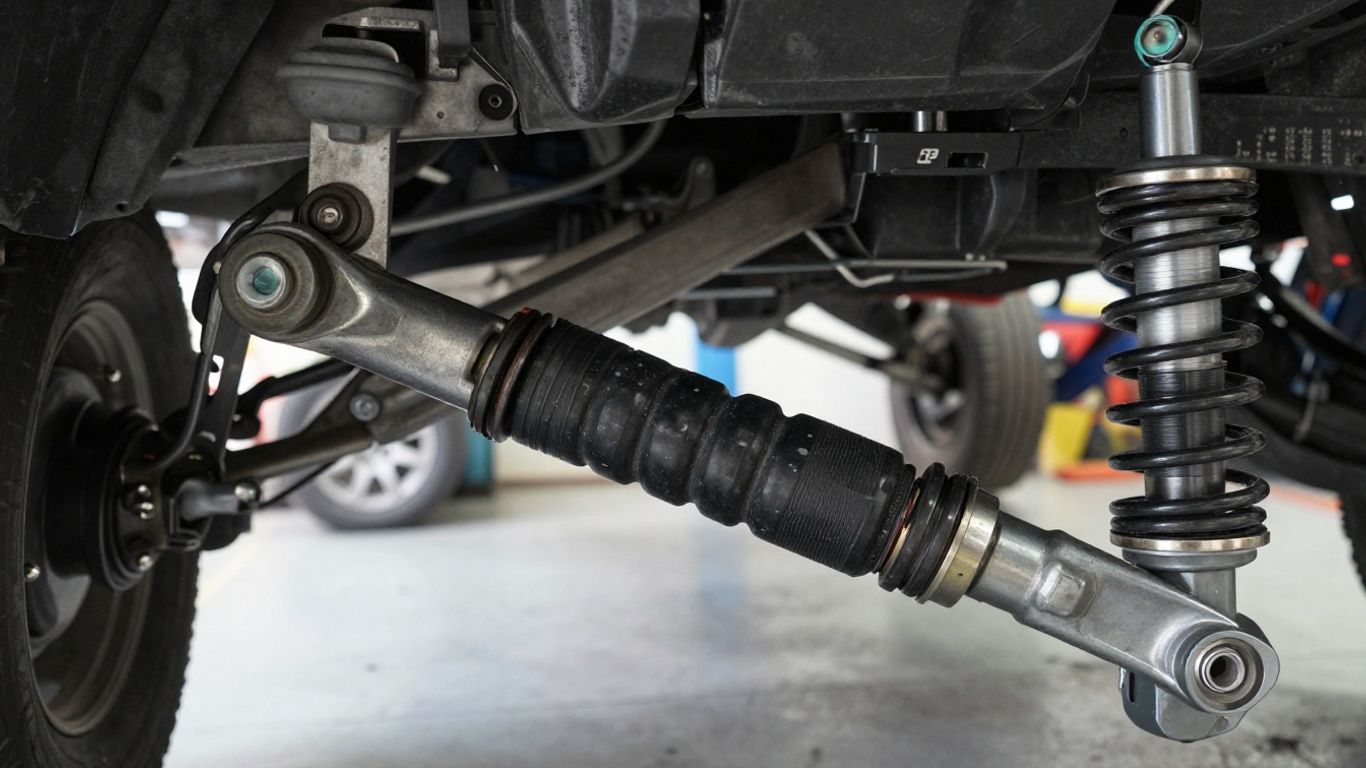
Vehicle stability and stopping power define the core experience of safe travel. If you suspect an issue, you can explore the Help & Support section for resources on vehicle upkeep. Maintaining your suspension geometry prevents rapid tire degradation and keeps you firmly planted on uneven road surfaces.
Identifying symptoms of air suspension leaks
Air suspension offers a refined ride quality but relies on a complex network of bags and compressors to function. You can identify a leak if the car sits unevenly on one side after sitting overnight, or if the compressor runs continuously without raising the ride height. Addressing leak conditions early prevents permanent damage to the pump motor.
Troubleshooting uneven tire wear and alignment drift
Alignment drift happens when components settle or experience impact, causing the wheels to steer slightly out of sync. You can monitor tire condition by checking for shoulder-heavy wear patterns or uneven tread depth across the surface. Refer to this tracking table to interpret wear symptoms:
| Observation on Tire | Primary Cause | Recommended Action |
|---|---|---|
| Inner edge balding | Excessive negative camber | Perform 4-wheel alignment |
| Center tread wear | Over-inflation of tire | Check recommended PSI |
| Cupping/Choppy wear | Worn shock absorbers | Inspect suspension struts |
Addressing brake squeal and pad sensor alerts
Brake squeal is often caused by micro-vibrations in the pads or the buildup of brake dust. Sensors are designed to wear alongside the pad material, triggering an alert once the thin wiring is broken. While you might be tempted to ignore mild noise, a persistent alert signifies that critical stopping distance is about to be compromised.
Inspecting control arm bushings for cracks or play
Bushings connect your control arms to the frame, acting as rubber dampers for road vibration. As the rubber dries out or tears, you will notice clunking sounds during low-speed turns or while traversing bumps. If you feel loose steering, the bushings have likely reached the end of their service life and require mechanical replacement.
Solving transmission and shifting difficulties
Transmission issues warrant immediate attention to prevent internal mechanical failure. When you deal with common Audi problems regarding shifting, never assume the issue will resolve on its own over time. Proper diagnosis often involves observing how the shifting pattern interacts with your check engine light during normal operation.
Assessing shudder or hesitation in DSG transmissions
DSG systems are engineered for fast, smooth gear changes, but they rely on dual-clutch mechanisms that experience wear. Shuddering during acceleration is a primary indicator that the clutch packs might be slipping or the fluid has lost its lubricating properties. Consistent fluid changes are the most effective method to mitigate these symptoms.
Addressing fluid leaks from the transmission pan
Even small drops of oil under your vehicle can indicate a leaking transmission gasket or drain plug. Because transmissions run hot, low fluid volume leads to overheating and can quickly destroy the internal gear sets. Always verify if the fluid is light straw colored or burnt and dark before deciding on a top-off procedure.
Troubleshooting mechatronic unit electronic malfunctions
The mechatronic unit is the brain that controls your vehicle shifting sequences based on sensor logic. If this unit fails, you might experience limp mode or difficulty finding neutral. While many electronic faults are software-rooted, physical hardware failure within the solenoid block needs an expert eye.
Recognizing premature signs of torque converter wear
Torque converters transition engine power to the transmission without a mechanical clutch. Premature wear often feels like a pulsing sensation at highway speeds that vanishes when you apply slight throttle. Recognizing this early allows for fluid conditioning or specialized seal repair before the internal blades deform.
When to seek professional repair help
Knowing your limitations is part of safe vehicle ownership and helps you avoid costly mistakes. For tasks requiring specialized Audi Genuine Parts and Accessories, dealer resources bridge the gap between amateur maintenance and factory precision. Weighing the time and cost involved is necessary when deciding between home fixes and trained labor.
Managing safety risks that require immediate towing
When your safety is in question, the best decision is to call for help rather than risking further damage. If you lose brakes, steering, or start seeing smoke from the engine bay, do not attempt to drive the vehicle. Towing protects you and other drivers on the road while preventing a small mechanical issue from turning into a total loss.
Accessing complex software updates with dealer tools
Advanced diagnostic tools are needed to calibrate modern electronic control modules and load critical software updates. These updates frequently fix bugs that cause warning lights to trigger without any physical component failure. Without specialized dealer access, these complex configurations remain inaccessible to the average DIY mechanic.
Verifying warranty coverage and service history
Checking your warranty or service history is a smart move before you disassemble any major assemblies. You might find that parts are covered under an open campaign or service bulletin, which could save you significant out-of-pocket costs. Always document every DIY repair in a personal log if you intend to trade the vehicle later.
Comparing DIY costs versus certified mechanic labor
Labor and parts pricing varies significantly based on complexity and the specialized tooling required for a repair. A certified technician brings a depth of experience that ensures the job is done right the first time, backed by a service guarantee. Consider whether the hours saved by professional intervention outweigh the personal time investment needed for a home repair project.
Conclusion
Mastering the basics of vehicle troubleshooting enables you to keep your car performing at a high level while avoiding unnecessary headaches. By utilizing digital tools, keeping up with fluid schedules, and knowing when to call a professional for complex failures, you can enjoy a reliable driving experience for years to come. Remember that consistent, small efforts toward maintenance usually yield the greatest returns on your investment.
Frequently Asked Questions
How often should I scan for fault codes?
It is good practice to scan for diagnostic codes whenever you notice a shift in performance or a new, unfamiliar sound. Even if there are no active dashboard warnings, running a quick scan during an oil change helps you uncover pending codes that haven’t triggered a warning lamp yet.
Does a check engine light always mean a serious issue?
No, but it should never be ignored until it becomes a persistent problem. A light might indicate something as minor as a loose sensor connection or a failing gas cap, but it serves as a warning that the engine is not running exactly as intended by the manufacturer.
Can I use a scanner to clear permanent lights?
Most scanners allow you to reset minor fault codes, but doing so without fixing the actual problem will simply cause the light to return. Clearing a code does not fix the mechanical issue, so always verify repair work before wiping the error memory.
Why does my vehicle feel sluggish on hot days?
Engines operate less efficiently in high-heat environments because the air is less dense, which forces the car to adjust its air-fuel ratio accordingly. If the power loss is severe, however, check your intercooler pipes to ensure that high temperatures haven’t caused a pressure leak.
Is it safe to drive with a flashing dashboard alert?
A flashing red signal often implies a critical hazard, such as an engine misfire or a major oil pressure drop. Driving under these conditions risks permanent damage to the engine, so you should pull over safely and call for a transport service at the earliest opportunity.
How do I know if my battery is truly dying?
Look for symptoms like slow engine cranking, delayed startup times, or flickering interior lights when you first turn the ignition. A simple digital multimeter can confirm if the battery is holding its charge or if it is unable to handle the load of the vehicle’s electrical system.
When is it better to pay a professional for repairs?
When a repair involves complex computer programming, deep engine dismantling, or safety-critical hardware like airbags, professional intervention is required. Accessing factory tools and having a mechanical guarantee provides peace of mind that a DIY effort simply cannot match for high-level systems.