

Key Takeaways
The right replacement depends on more than the label on the box. Check fitment, repair requirements, warranty terms, and the full cost before choosing.
- Genuine Audi parts are sold under Audi branding; OEM and aftermarket labels describe different sourcing and sales arrangements.
- Fitment should be checked against the vehicle’s exact year, model, trim, VIN, and part number.
- Aftermarket quality varies, so compare the specific part and its documentation rather than assuming all options are alike.
- A lower purchase price may not mean a lower total repair cost if installation or repeat work is involved.
- For safety-critical or electronically integrated components, confirm compatibility and ask a qualified specialist when uncertain.
What genuine, OEM, and aftermarket Audi parts mean
The labels on replacement parts can be confusing because they describe different things: who sells a part, who may have made it, and how it relates to the original component. Those distinctions matter, but none of the labels alone tells you whether a particular part will fit your car or suit the repair. When comparing Genuine Audi parts vs aftermarket options, start by understanding what each term can—and cannot—promise.
Genuine Audi parts and the Audi branding
A genuine Audi part is sold under Audi branding as a replacement component for an Audi vehicle. That branding gives buyers a clear reference point, but you should still confirm that the part is intended for your exact vehicle and repair. A part can be genuine and still be the wrong choice for a particular year, trim, or configuration.
OEM parts and who manufactures them
OEM means original equipment manufacturer, but the term is used in different ways in parts listings. It may refer to a company that manufactures components for vehicle makers, while a replacement part sold under that supplier’s own name is not automatically identical to the branded part originally installed in a vehicle. Ask the seller what the label means for the specific item rather than relying on the acronym alone.
The distinctions are easiest to compare when you keep the seller’s label separate from the fitment question. These terms are useful starting points, not a guarantee of identical specifications or compatibility.
| Label | What it generally describes | What to confirm |
|---|---|---|
| Genuine Audi | A part sold under Audi branding | Exact vehicle fitment and part number |
| OEM | A term connected to original equipment manufacturing, used differently by sellers | Who made and sells the specific part |
| Aftermarket | A replacement made or sold outside the vehicle brand’s genuine-parts channel | Fitment, specifications, and warranty |
| Used or remanufactured | A previously used or restored component | Condition, testing, and return terms |
Use these descriptions to guide questions, then verify the part itself. A general OEM and aftermarket comparison can also help clarify what to look for across replacement parts.
Aftermarket parts and the range of available options
Aftermarket parts are produced or sold outside Audi’s genuine-parts channel, and quality, design, and documentation can vary between products. Some are designed as direct replacements; others may differ in materials or construction. A listing’s price or broad claim of compatibility is not enough to establish that it suits your vehicle, so check the specifications and return terms before ordering.
How fit and compatibility can differ
A part that looks right or shares a familiar name may still differ in dimensions, connectors, or application. Audi vehicles can vary by model year, trim, engine, and installed equipment, so fitment should be treated as a vehicle-specific question. Confirming the details before purchase can prevent delays and the cost of ordering the wrong component.

Matching parts to your Audi’s year, model, and trim
Start with the full vehicle description, including model year, model, trim, and engine or drivetrain where relevant. Two cars with the same model name may use different components depending on their configuration or production changes. For a broader overview of Audi parts options, check the item details carefully and match them to your vehicle rather than choosing by model name alone.
Checking VIN-based fitment and part numbers
A VIN lookup can help narrow down which parts apply to a particular vehicle, but it is still sensible to confirm the result with the seller or repair shop. Compare the part number on the old component, if it is accessible, with the proposed replacement and ask whether a superseded number or variation applies. A useful aftermarket and OEM fitment guide can help frame the questions to ask when details are unclear.
Accounting for software, sensors, and vehicle systems
Some replacements interact with sensors, electronic controls, or other vehicle systems. A physically similar part may not communicate or operate as expected if its specification or configuration is unsuitable. Before ordering an electronic or system-linked component, ask whether installation involves coding, calibration, or a diagnostic check, and confirm who is responsible for that work.
How quality, safety, and durability compare
Quality is not determined by a single label. Materials, manufacturing controls, testing, product consistency, and the way a part is used all affect how it performs over time. Since aftermarket offerings range widely, compare evidence about the specific part instead of treating every product in a category as equivalent.
Materials and manufacturing standards
Look for clear product identification, specifications, and information about the manufacturer or seller. When available, documentation about applicable standards or testing can help you assess whether the part is appropriate for the repair. If a listing is vague about what is included or what vehicles it fits, ask for clarification before buying.
Effects on performance and reliability
An unsuitable or poorly made replacement may contribute to noise, poor operation, or premature failure, while a compatible, well-made part can be a sensible repair choice regardless of the label. The outcome depends on the individual component, correct installation, and vehicle condition. This is why part-specific evidence matters more than a broad assumption that genuine or aftermarket is always better.
A short video can help explain the kinds of questions to ask when comparing replacement components, but it cannot confirm fitment for an individual car.
When safety-critical components deserve extra scrutiny
Brakes, steering, suspension, and other safety-related systems deserve particular care. Check that the part is explicitly listed for the vehicle and that its specifications and condition are clear. If you cannot verify those details—or if the repair affects a system you are not equipped to assess—ask a qualified Audi specialist to inspect the options and installation requirements.
Comparing purchase price and long-term value
The price shown at checkout is only one part of the repair cost. Installation time, related components, shipping, and the possibility of repeat work can change the total. Compare options using the same repair scope, so a cheaper listing is not mistaken for a lower-cost solution when it omits something necessary.
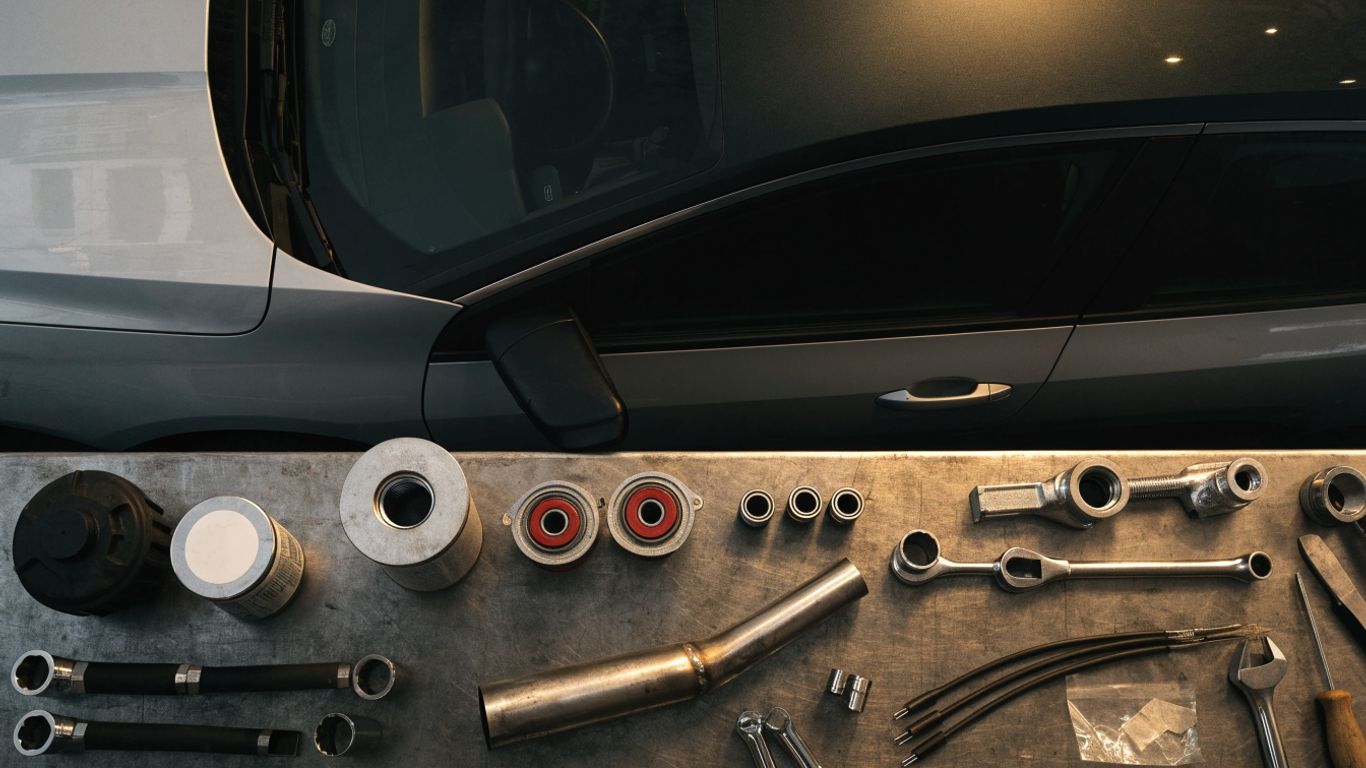
Upfront costs for genuine and aftermarket parts
Genuine parts may cost more than some aftermarket alternatives, but prices vary by component, seller, and availability. Aftermarket products also span a range of price and quality. A comparison of Audi part costs and choices may offer useful context, but use current item-specific quotes to make your decision.
Labor, installation, and potential repeat repairs
When comparing quotes, ask what the price includes: the part, installation, any required programming or calibration, and the shop’s own warranty. A low-cost component may not be a saving if it is incompatible, difficult to install, or needs replacement sooner than expected. To keep the comparison practical, check these details before approving the work:
- Confirm the exact part number or fitment reference on each quote.
- Ask whether the estimate includes labor, related materials, and calibration if needed.
- Compare the part and repair warranties separately.
- Check return terms in case the component does not fit or the diagnosis changes.
Once the scope is clear, compare the total quoted cost rather than the part price in isolation. If a shop recommends a more expensive option, ask what difference in fit, specifications, support, or expected service is behind the recommendation.
When a higher-priced part may be worth it
Paying more can make sense when a part has a better-documented fit, clearer support, or a warranty that suits your needs. It may also be worthwhile for a component that is difficult to access or expensive to replace, where repeat labor would add considerably to the bill. The key is to weigh a specific benefit against a specific cost—not assume that price alone predicts durability.
Understanding warranty and coverage considerations
Warranty questions have at least two sides: coverage on the replacement part and coverage on the vehicle or repair. The terms depend on the seller, manufacturer, repair facility, and applicable law, so do not rely on a general statement that one type of part always preserves or cancels coverage. Get the relevant terms in writing before the work begins.
How replacement parts may affect Audi warranty coverage
Using an aftermarket part does not automatically answer whether a vehicle warranty claim will be covered or denied. The terms of the applicable warranty and the circumstances of a particular failure matter; a dispute may turn on whether the part or its installation caused the problem. Check the warranty documents and ask the dealer or warranty provider how the proposed repair could affect a related claim.
Separating part warranties from repair-shop warranties
A part warranty and a shop’s warranty on its labor are separate promises. Find out who handles a claim if a component fails, whether removal and reinstallation labor is covered, and what exclusions apply. A shop may also have limits on parts supplied by the customer, so clarify that before buying a component yourself.
Keeping receipts and documenting repairs
Keep the itemized invoice, part packaging or identification, fitment information, and repair paperwork together. Note who supplied and installed the component, along with any diagnostic or calibration work. These records make it easier to verify what was fitted and to follow the right process if a warranty question comes up later.
Choosing the right part for your repair
There is no single best choice for every Audi repair. The right option depends on the component, fitment confidence, budget, warranty terms, and how the repair will be installed. A careful decision weighs those factors together rather than treating genuine or aftermarket as an automatic answer.
When genuine Audi parts are a practical choice
Genuine parts can be a practical choice when you want a component sold under Audi branding, when the precise application is important, or when a repairer recommends it for a specific reason. They may also simplify the selection process if you have confirmed the correct part number and the price fits your budget. Still, verify the details and warranty rather than assuming the label answers every question.
When a reputable aftermarket part may fit your needs
A reputable aftermarket option may suit a repair when the product clearly lists your vehicle, provides adequate specifications, and comes with terms you understand. Compare its construction and support with the other available choices, and consider the installer’s experience with that part. If the listing leaves important details open, pause and ask before purchasing.
When to ask an Audi specialist for guidance
Ask a specialist when fitment is uncertain, a repair involves electronic systems, or a part affects a safety-critical function. Bring the VIN, current part number if available, and any competing quotes so the discussion can stay specific. A knowledgeable repairer can also explain whether extra installation steps or diagnostics are included in the estimate.
How to buy parts with confidence
A trustworthy purchase starts with clear information and a seller willing to answer specific questions. Check the part identity, application, condition, and warranty before paying, and make sure the return policy works if the diagnosis changes. Taking a little time to verify those details can make the repair process less stressful.
Vetting dealers, retailers, and repair shops
Look for a seller or repair shop that can explain how it verified fitment and what support it offers after the sale. Ask for an itemized quote and written terms, and be cautious if important details are only described verbally. If you are buying through a repairer, confirm who is responsible for sourcing the part and handling a return or warranty claim.
Spotting counterfeit or misrepresented parts
Be wary of listings with unclear branding, inconsistent part numbers, missing specifications, or prices that seem implausibly low. Ask for clear identification and packaging details, especially if the seller describes an item as genuine or OEM. A label alone is not proof; buy from a source that can explain where the part came from and what recourse is available.
Confirming return policies and warranty terms
Before ordering, check the time limit for returns, whether opened or installed parts can be returned, and who pays return shipping. Read the warranty for exclusions, claim steps, and coverage of related labor. Repair-shop owners looking beyond vehicle-part decisions may find separate resources on roof repair choices, local SEO for repair shops, AI visibility tracking, roofing workflow management, and home service brand authority; these address business operations rather than Audi fitment.
Conclusion
Choosing between genuine, OEM, and aftermarket parts is less about picking a label and more about confirming the right component for the vehicle and repair. Verify fitment, compare the full installed cost, understand the warranties, and seek specialist advice where safety or vehicle systems are involved. With those checks in place, you can choose an option that makes sense for both the repair and your budget.
Frequently Asked Questions
Are genuine and OEM parts the same?
Not necessarily. Genuine usually refers to a part sold under the vehicle brand, while OEM is used in different ways to describe manufacturing relationships or products. Confirm what the seller means for the specific item.
Are aftermarket parts always lower quality?
No. Aftermarket products vary in materials, design, documentation, and support. Assess the particular part and its fitment information instead of relying on the category name alone.
How can I check whether a replacement part fits my car?
Use the full vehicle details, including year, model, trim, and VIN, and compare the part number where possible. Ask the seller or repairer to confirm fitment if anything is uncertain.
Does an aftermarket part automatically void a vehicle warranty?
Not automatically in every situation. Warranty terms and the cause of a failure matter, so review the applicable documents and ask the warranty provider about a specific repair.
Should I choose the cheapest available part?
Price should be weighed against fitment, specifications, warranty, and installation costs. A low purchase price may not reduce the total cost if the part is unsuitable or needs repeat work.
Do electronic replacement parts require calibration?
Some may, depending on the component and vehicle. Confirm installation, coding, or calibration requirements with a qualified repairer before purchasing.
What should I keep after a parts replacement?
Keep the itemized receipt, part identification, fitment details, and repair paperwork. These records can help with future servicing, returns, or warranty claims.