

Key Takeaways
A repair bill is easier to manage when you know what work is necessary, what each line costs, and which choices are yours to make.
- Ask the shop to explain the diagnosis and separate urgent repairs from recommended work.
- Compare estimates only when they cover the same repair, parts, and labor.
- Choose replacement parts based on fit, safety, warranty, and total cost—not price alone.
- Keep up with scheduled maintenance and address small problems before they grow.
- DIY can save money on simple tasks, but safety, tools, and the risk of mistakes matter.
Understand what’s driving the repair bill
An estimate can feel like a single large number, but it usually combines diagnosis, labor, parts, and sometimes related services. Understanding those pieces makes it easier to ask useful questions and decide what to approve now. Cost-effective Audi repairs start with knowing what the shop found and why it recommends each item.
Separate urgent repairs from recommended services
Ask the service advisor to distinguish work that affects safe operation or could cause further damage from maintenance that can be scheduled later. A recommendation may still be worthwhile, but it should not be presented as though every item has the same urgency. Request a plain-language explanation of what could happen if you wait, and ask whether the car is safe to drive in the meantime.
If several items appear on the estimate, have them grouped by priority and timing. This lets you address critical issues first without losing track of routine work. You can then plan for the rest instead of feeling pressured to approve everything at once.
Ask for a diagnosis before approving parts
A part name on an estimate is not a diagnosis. Ask what symptom or test result points to the fault, whether the shop confirmed the cause, and whether any additional testing is needed before replacement. A clear diagnosis comes first; otherwise, replacing parts can turn into an expensive guessing game.
The explanation should connect the reported symptom to the proposed repair. If the cause remains uncertain, ask what the next diagnostic step costs and what information it will provide. A brief account of the findings makes it easier to understand the decision and keep a record for future visits.
Compare labor rates and parts costs on the estimate
A useful estimate separates labor, parts, shop fees, and taxes so you can see what drives the total. When comparing shop pricing, remember that labor hours and hourly rates are different things: a lower rate does not necessarily mean less labor, and a part price alone says little about the final repair cost. The following breakdown can help organize questions without assuming every job should cost the same.
| Estimate item | What to check | Useful question |
|---|---|---|
| Labor | Hours and hourly rate | How was the labor time determined? |
| Parts | Brand, type, and quantity | What options are available for this repair? |
| Diagnosis | Testing included or billed separately | What did the diagnostic charge cover? |
| Fees and tax | Shop supplies, disposal, and taxes | Which charges apply to this job? |
Use the details to clarify differences rather than focusing on one line in isolation. For broader background on service intervals and expenses, see this Audi maintenance cost overview. The goal is a transparent scope of work and a total you can compare fairly.
Watch for common cost factors, such as model, age, and mileage
Repair costs vary with the specific model, the parts it needs, its condition, and how much access a job requires. Age and mileage can also mean that more than one worn component needs attention at once. Those factors make a single price found online a poor substitute for an estimate based on your vehicle and its symptoms.
When reviewing a quote, ask whether the repair addresses the immediate fault only or includes related work made practical by the same access. Either approach may be reasonable, but the distinction should be clear. Owners can also consult a general Audi maintenance guide for background on service considerations, then confirm recommendations against their own vehicle and circumstances.
Choose the right repair shop
The right shop is one that can explain its findings, show what is included in the price, and answer questions without rushing you. Convenience and cost matter, but so does confidence that the repair fits your car and the problem at hand. Take time to compare the shop’s experience, policies, and estimate before authorizing substantial work.

Compare Audi dealerships with independent specialists
A dealership and an independent specialist may differ in labor rates, parts options, scheduling, and the kinds of repairs they handle. Neither label alone tells you which choice will be less expensive or better suited to a particular job. Ask each shop for the same description of the work, including diagnosis, parts, labor, and any warranty terms.
For a useful comparison, look beyond the grand total and check that the proposed repair is equivalent. A quote with a different part, a different amount of diagnostic work, or a narrower scope is not directly comparable. Compare the explanation as well as the price, then choose the option you can understand and trust.
Check technician experience with your Audi model
Ask whether the technician regularly works on your model and has experience with the specific system involved. This is especially sensible when the repair is complex or the symptoms are difficult to reproduce. A shop should be able to describe its relevant experience without promising a particular result.
You can also ask how the shop will confirm the repair has worked and whether it expects any follow-up checks. Clear answers help you judge whether the proposed process is thoughtful and complete. If the first explanation is vague, it is reasonable to ask for more detail before approving work.
Verify warranties, certifications, and parts policies
Before authorizing a repair, ask what warranty applies to labor and parts, how long it lasts, and what conditions could affect coverage. Confirm whether the estimate specifies the part type and whether the shop will contact you if it needs to change that choice. Written answers are more useful than assumptions made during a quick phone call.
Certifications can provide context about training, but they do not replace a discussion of the actual repair and the shop’s policies. Make sure you know who to contact if a concern comes up after the work. Keeping the estimate and final invoice together gives you a clear record of what was promised and completed.
Get a second opinion for expensive or complex repairs
A second opinion can be helpful when a repair is costly, the diagnosis is uncertain, or the recommended work does not make sense to you. Share the first estimate and describe the symptoms, but ask the second shop to assess the problem independently. That makes the comparison more useful than simply asking whether the first price seems high.
Compare what each shop proposes, not just the totals. If their diagnoses differ, ask what evidence supports each one and whether another test could settle the question. For context about local service pricing and repair decisions, this Audi repair cost discussion offers an additional reference, though a local written estimate is what applies to your car.
Make smart choices about parts and repairs
Parts choices can change the total considerably, but the least expensive option is not automatically the best value. Ask what the estimate specifies, whether alternatives are available, and how each choice affects fit, performance, and warranty coverage. A good decision balances price with the consequences of using a different part or repair method.
Compare OEM, aftermarket, and remanufactured parts
OEM parts are made to the vehicle maker’s specifications, while aftermarket parts are produced by other manufacturers. Remanufactured parts have been restored for reuse, though their condition, process, and coverage can vary. Ask the shop to identify the part it has priced and explain what alternatives it can supply for the same job.
Compare the full terms, not just the sticker price: compatibility, expected availability, warranty, and any difference in labor all matter. If a used or remanufactured option is being considered, ask what was inspected and what protection comes with it. The right choice depends on the component, the vehicle, and the details of the offer.
Ask when a less expensive part is a safe option
A lower-priced part may be suitable for some repairs, but the shop should explain why it is appropriate for this specific application. Ask whether it meets the needed specifications, whether it fits without modification, and what warranty applies. If the answer is simply that it is cheaper, request more information before deciding.
The broader practice of comparing condition and value before buying also applies when sorting parts from other sources; a garage-sale pricing guide offers a reminder to assess an item rather than assume its value from appearance alone. For a vehicle repair, however, suitability and traceable part details matter more than a bargain price. Keep those questions focused on the particular component being installed.
Consider repair versus replacement for major components
For a major component, ask the shop to compare repairing it with replacing it, if both are viable. The estimate should explain what each option includes, what could remain worn or uncertain, and whether the labor differs. A cheaper repair may make sense if it addresses the fault reliably; replacement may be preferable when repair would leave significant risk or repeated labor.
There is no universal rule for choosing one path. Consider the vehicle’s condition, how long you expect to keep it, and the total cost of each option. Ask the shop to state any assumptions so you can weigh the choices without treating a rough estimate as a guarantee.
Confirm how parts choices affect warranties
Ask whether choosing a non-OEM, used, or remanufactured part changes the part warranty or the shop’s coverage for labor. Also confirm who handles a warranty claim and whether the part must be returned or inspected. These details matter most when the initial savings are small compared with the cost of repeating the repair.
Get the terms in writing before work begins. If different parts come with different coverage, ask for the price and warranty details side by side. That makes the trade-off visible and helps avoid surprise if a problem occurs later.
Reduce costs with preventive maintenance
Preventive maintenance cannot eliminate every repair, but it can help you spot wear and avoid letting a small problem grow. The right schedule depends on the vehicle and the conditions in which it is driven, so use the owner’s information as a starting point. Keep records and ask questions when a service recommendation is unclear.
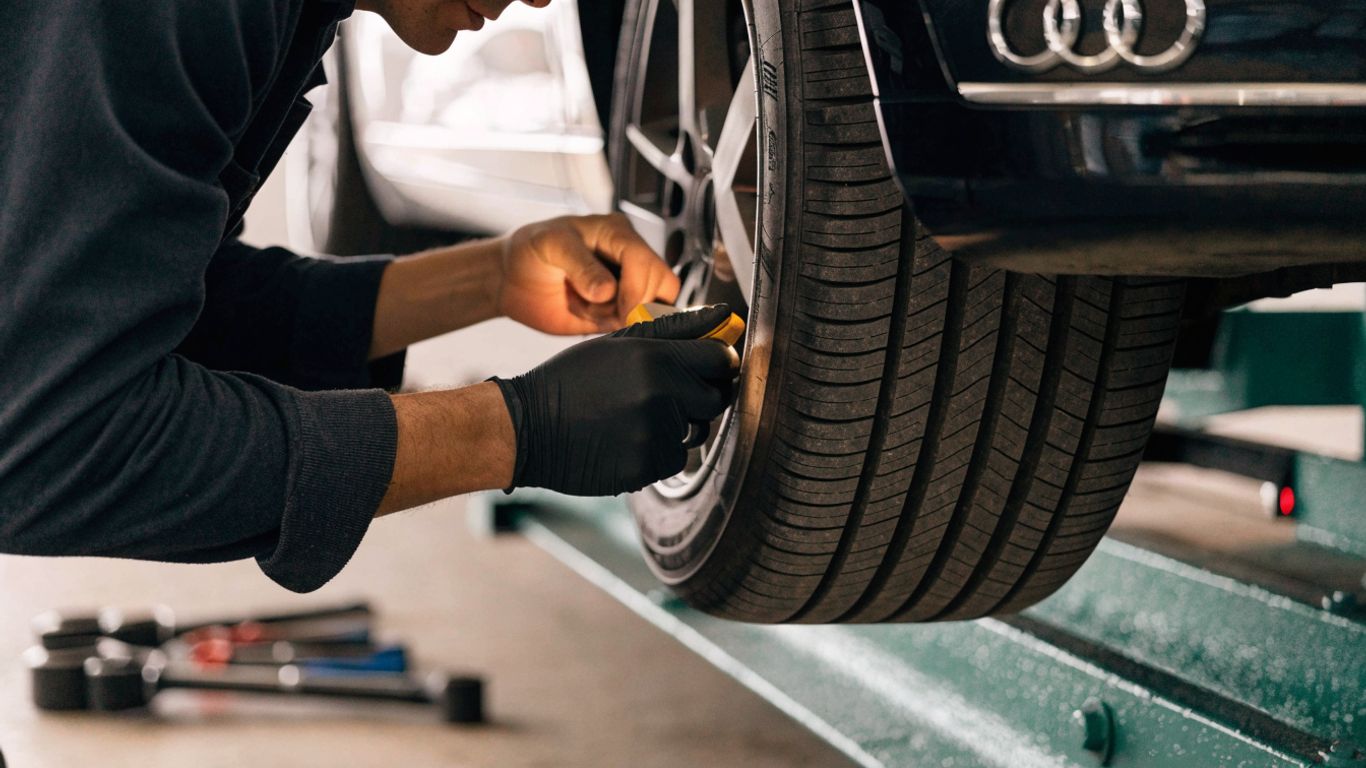
Follow the service schedule for your model and driving conditions
Check the schedule for your specific model and consider how you use the car. Frequent short trips, heavy traffic, dusty roads, or other demanding conditions may affect what maintenance is appropriate. If the schedule is unclear, ask a qualified shop to explain which items are due and why.
A service reminder is a prompt to check what is required, not a reason to approve every suggested add-on without explanation. Ask the shop to distinguish scheduled maintenance from additional repairs. Keeping to an appropriate service routine can make planning easier and help you avoid overlooking basic upkeep.
Address warning lights and small issues early
A warning light, new noise, fluid leak, or change in how the car feels is worth investigating before it becomes harder to diagnose. Note when it began, whether it happens consistently, and any conditions that make it better or worse. That information can help the shop focus its inspection.
Do not ignore a warning that may affect safe operation; consult the owner’s manual or a qualified professional about what to do next. Early attention does not guarantee a lower bill, but it can prevent uncertainty from building while the issue goes unchecked. Describe the symptoms precisely rather than guessing at the failed part.
Keep up with tires, brakes, fluids, and filters
Routine checks of tires, brakes, fluids, and filters give you a practical way to keep tabs on basic wear. Ask the shop to show you what it found and explain any measurement or condition behind a replacement recommendation. This helps separate an item that needs attention from one that can wait for a later service.
For many households, keeping maintenance on a calendar is a familiar habit; a preventive home maintenance guide offers a similar planning approach for a different kind of property. Use reminders to record when vehicle checks are due, but rely on the car’s own schedule and inspection findings for the actual service decisions. Small, consistent checks are easier to budget for than a list of forgotten tasks.
Save maintenance records to spot recurring problems
Keep estimates, invoices, service dates, and notes about symptoms in one place. Records can show whether a concern has returned, which parts were installed, and what warranty may apply. They also help a new shop understand what has already been checked, saving time when a problem needs another look.
A simple folder or digital log is enough if it is easy to update. Include mileage and a short description of the work, not just the total paid. That history gives you a clearer basis for future decisions and helps you ask more specific questions.
Decide what to handle yourself
Some owners are comfortable taking on basic maintenance, while others prefer to leave all work to a shop. Either approach can be sensible; the key is to judge the risk and requirements of the task honestly. Before starting, account for the right tools, reliable instructions, and what you will do if the job does not go to plan.
Identify low-risk tasks suited to DIY
Start with tasks that are clearly described in your owner’s manual and do not involve critical systems. Check that you understand the steps and have a safe place to work before beginning. If the instructions are unclear or the task requires lifting the vehicle, specialized equipment, or diagnostic tools, consider professional help instead.
The decision should reflect your experience and the consequences of an error, not just the price of shop labor. For a simple task, doing it yourself may be satisfying and cost-effective. If there is meaningful doubt about safety or the correct procedure, pausing is the cheaper choice in the long run.
Use the correct tools and model-specific instructions
A tool that almost fits or directions written for another model can turn an easy job into a frustrating one. Confirm that instructions match your year and configuration, and check whether the task calls for a particular tool or procedure. Do not force a fastener or improvise where the instructions specify a method.
Before you begin, gather everything you need and give yourself enough time to finish carefully. If the procedure differs from what you expected, stop and verify the next step. Rushing to save labor can lead to damaged parts, more expense, or work that needs to be repeated.
Avoid safety-critical or software-dependent repairs
Brakes, steering, airbags, and other safety-related systems deserve extra caution. Repairs involving electronic programming or specialized diagnostics may also require equipment and procedures that are not practical for a home workshop. If you are unsure whether a task falls into one of these categories, ask a qualified technician before attempting it.
It is reasonable to set a firm boundary around work you are not equipped to do. Handing over a repair is not a failure to save money; it is a way to manage risk. A shop can also explain what work it performed and what checks it completed afterward.
Factor in the cost of mistakes, tools, and lost time
A DIY estimate should include more than the price of the part. Consider whether you need tools, consumables, a safe workspace, and time to research the procedure. Then ask what it might cost to correct a mistake or have a shop finish the job if something goes wrong.
A quick comparison can help you decide whether the savings are real:
- Check the price and availability of the required parts.
- Add the cost of tools and supplies you do not already own.
- Allow time for preparation, the repair, and cleanup.
- Consider the cost and safety impact if the work needs correction.
If the task still looks straightforward and the total effort makes sense, proceed only within your skill level. Otherwise, request an estimate from a shop and compare the cost with a realistic DIY budget rather than an idealized one.
Plan for repairs and avoid unnecessary spending
Repair planning is less about predicting every failure than making decisions with clear information. A small reserve, written estimates, and consistent records can reduce the pressure to approve work before you understand it. Good planning also makes it easier to compare quotes and ask about payment options without losing sight of the repair itself.
Set aside a maintenance and repair fund
A separate fund can help absorb routine service and unexpected work without disrupting other expenses. Choose an amount that fits your budget and adjust it as the car’s needs change. Even modest, regular contributions give you more flexibility when a repair comes up.
Do not treat a fund as a reason to approve a questionable repair. The estimate still needs to explain the diagnosis, scope, and cost. Planning helps you respond calmly; it does not replace asking whether the work is necessary.
Use written estimates and itemized invoices
Ask for an estimate before work begins and make sure it describes the parts and labor being proposed. If the shop discovers additional work, ask it to contact you with an updated explanation and price before proceeding. An itemized final invoice helps you check what was actually done against what you approved.
Keep those documents with your maintenance records. If a detail is unclear, ask while the work is fresh rather than trying to reconstruct it months later. For people comparing expenses across unrelated projects, even bathroom remodeling contractors typically discuss a defined scope; the same habit of clarifying what a quote includes is useful when arranging car repairs.
Compare repair quotes on the same scope of work
Two quotes are meaningful only if they address the same fault and include comparable parts, labor, diagnosis, and warranty terms. Ask each shop to describe what is included and what is excluded. If one quote is much lower, find out whether it uses a different part or leaves out a step rather than assuming it is automatically the better deal.
A repair decision is not the same as comparing every household purchase: for example, managing vacation rental services is a separate business, not a guide to vehicle repair. Keep your comparison focused on the proposed automotive work, and use other estimates only when the scope is genuinely equivalent. A clear, slightly higher quote may be easier to evaluate than a low number with unanswered questions.
Ask about payment plans and available discounts
If the repair is necessary but difficult to pay for at once, ask whether the shop offers payment options or discounts that apply to your job. Confirm any fees, eligibility conditions, and payment dates before agreeing. A financing offer is only helpful if its full terms fit your budget.
You can also ask whether the shop can separate urgent work from items that can wait, or whether scheduling a later service visit makes sense. Avoid choosing a repair based on a discount alone; the diagnosis, scope, and parts still need to be right. Clear questions make it easier to find a practical arrangement without approving unnecessary work.
Conclusion
Lowering an Audi repair bill is less about choosing the cheapest option and more about making each decision with clear information. Ask for a diagnosis, compare equivalent estimates, understand parts and warranty choices, and keep up with appropriate maintenance. When a repair is beyond your tools or experience, a capable shop can be the more cost-effective choice.
Frequently Asked Questions
How can I tell whether a repair is urgent?
Ask the shop to explain the safety or damage risk of waiting and whether the vehicle is safe to drive. Request that urgent work be separated from maintenance that can be scheduled later.
Should I always choose the lowest repair estimate?
No. Compare the diagnosis, scope, parts, labor, and warranty terms. A lower total may leave out work or use a different part, so ask what accounts for the difference.
Are aftermarket parts a good way to save money?
They can be an option for some repairs, but suitability depends on the specific part and application. Ask about fit, specifications, warranty coverage, and any difference in labor before deciding.
Is it worth getting a second opinion?
It can be useful for expensive, complex, or uncertain repairs. Ask another shop to assess the issue independently and explain the evidence behind its recommendation.
What maintenance records should I keep?
Save estimates and invoices with service dates, mileage, parts details, and notes about recurring symptoms. These records help clarify past work and may be useful when a problem returns.
Which car repairs are suitable for DIY?
Tasks that are low-risk, clearly explained for your model, and within your skill level may be manageable. Avoid work involving safety-critical systems or specialized tools and diagnostics unless you are qualified.
How should I prepare for an unexpected repair bill?
Set aside a repair fund if your budget allows, request a written itemized estimate, and ask which work is urgent. If payment is difficult, ask about available options and review all terms before agreeing.