

Key Takeaways
Audi transmission slipping can begin as a mild hesitation and progress into serious internal damage. Recognizing the pattern early helps you choose a safer next step.
- Slipping may feel like delayed engagement, engine revving, or hesitant shifting.
- Low or contaminated fluid, leaks, worn clutches, and control faults are common causes.
- Diagnosis usually combines fault-code checks, fluid inspection, and a road test.
- Continued driving can turn a manageable repair into major transmission damage.
- Correct service procedures and sensible driving habits reduce future risk.
What Audi transmission slipping feels like
Transmission slipping is not always dramatic at first. The car may still move, but the connection between engine speed and road speed feels inconsistent. Pay attention to when the symptom occurs, whether the transmission is warm or cold, and whether it appears during acceleration, reversing, or gear changes. A useful overview of Audi transmission warning signs can help you compare what you are feeling with other common symptoms.
Delayed engagement when shifting into drive or reverse
A noticeable pause after selecting Drive or Reverse can indicate that hydraulic pressure is not building as it should, although other faults can create a similar delay. The engine may rise slightly in speed before the vehicle begins to move. Do not repeatedly shift between gears to force engagement, since that can add stress while the problem is present.
If the delay is new, record whether it happens only after the vehicle has been parked overnight or continues after warming up. That detail can help a mechanic separate a fluid-related concern from a deeper mechanical or control problem.
Engine revving without matching acceleration
The clearest slipping sensation is often a jump in engine speed without a comparable increase in road speed. It may happen while climbing a hill, merging into traffic, or accelerating after a gear change. Some drivers describe the feeling as though the transmission briefly loses its grip and then catches again.
This symptom deserves attention even if it disappears a few minutes later. Intermittent slipping can still create heat and wear, and the absence of a warning light does not prove that the transmission is healthy.
Harsh, erratic, or hesitant gear changes
A transmission problem can appear as a hard shift rather than a soft flare in engine speed. You might feel a clunk when changing gears, a pause followed by a sudden engagement, or repeated hunting between ratios. These sensations can come from internal wear, incorrect fluid conditions, or an electronic control issue.
Try to note the exact gear change and driving condition rather than describing every event simply as “rough.” A consistent pattern, such as a problem during the 2–3 shift or only under light throttle, gives the technician more useful information.
Warning lights, burning smells, or unusual noises
A dashboard warning light, burnt-fluid smell, whining sound, or grinding noise raises the urgency. These signs do not identify one failed part by themselves, but together with slipping they suggest that the transmission may be overheating or experiencing internal damage. A fluid leak under the vehicle is another reason to arrange an inspection promptly.
Avoid dismissing a problem because the car still drives. Transmission faults can change quickly, particularly when heat and repeated slipping are involved.
The most common causes of Audi transmission slipping
Several different faults can produce the same driving complaint. Fluid condition, hydraulic pressure, clutch friction material, sensors, solenoids, and software all influence how power moves through an automatic transmission. The correct repair depends on identifying the actual cause rather than replacing parts based on the symptom alone.
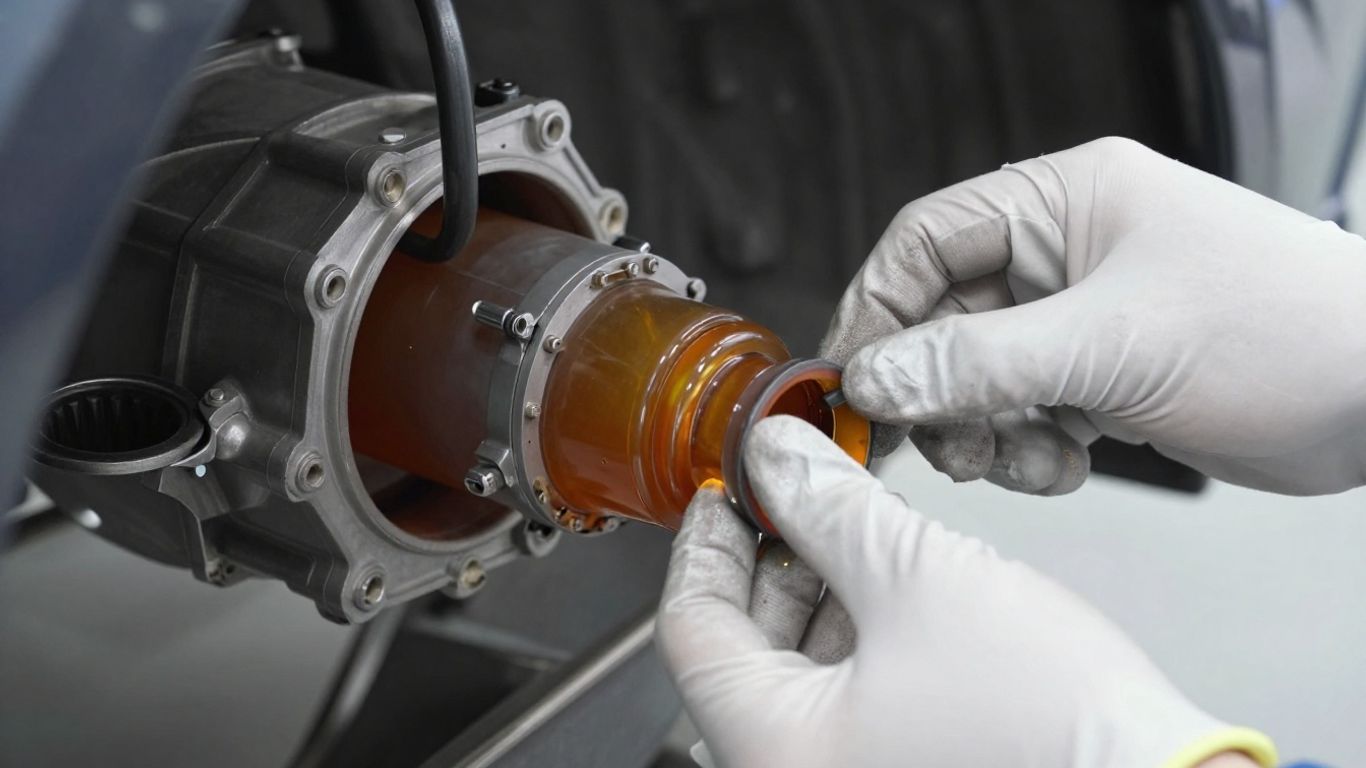
Low, contaminated, or incorrect transmission fluid
Transmission fluid performs several jobs: it transfers hydraulic pressure, lubricates components, and carries heat away from working parts. A low level may result from a leak, while contaminated or incorrect fluid can affect clutch engagement and valve operation. Fluid checks must follow the transmission’s specified procedure because level readings can depend on temperature and operating conditions.
A mechanic will usually look for wet areas around seals, housings, lines, or other connection points. Simply adding fluid without finding the leak may provide only temporary improvement and can leave the underlying wear untreated.
Worn clutch packs and internal transmission components
Automatic transmissions use friction components that can wear over time. When clutch packs lose material or become heat-damaged, they may no longer hold firmly under load. Similar symptoms can come from worn bearings, seals, a torque converter, or other internal parts.
Internal wear becomes more likely when slipping has been present for a while, especially if the fluid is dark, smells burnt, or contains debris. At that stage, an external fluid service may not restore normal operation by itself.
Faulty solenoids, sensors, or valve body parts
Solenoids regulate fluid movement, while sensors provide the control system with information about speed, pressure, and gear position. A sticking solenoid, damaged sensor, or worn valve-body passage can produce delayed, harsh, or inconsistent shifts that feel like mechanical slipping.
These parts should be tested rather than condemned from a symptom alone. A stored fault code can point toward a circuit or pressure issue, but it still needs to be interpreted alongside live data, fluid findings, and driving behavior.
Software issues and adaptation problems in automatic and DSG transmissions
Electronic transmissions adjust their behavior using learned values and control strategies. A software fault, lost adaptation, or problem with the transmission control system may cause poor engagement or irregular shifts without proving that the clutch packs are destroyed. The diagnostic process should establish whether the issue is electronic, hydraulic, mechanical, or a combination.
That distinction matters because resetting adaptations without correcting a worn component will not solve the problem. Conversely, replacing hard parts when the control system needs an update can lead to unnecessary expense.
Audi models and transmissions commonly affected
Transmission design varies across model years and powertrains, so an Audi A4 symptom cannot automatically be diagnosed the same way as an A6 or a vehicle with a dual-clutch system. Automatic, dual-clutch, and continuously variable transmissions have different operating principles and service requirements. The vehicle identification number, transmission code, mileage, and service history all help narrow the possibilities.
Automatic transmission concerns in Audi A4 and A6 models
A4 and A6 vehicles may show delayed shifts, converter-related concerns, fluid leaks, or rough engagement, depending on their year and transmission configuration. A warning light combined with a jolt, grinding sound, or delayed response should be investigated rather than treated as normal aging.
The nameplate alone is not enough to choose fluid or parts. Two vehicles with the same model badge can use different transmissions across different production years, so parts and service information should be matched to the specific vehicle.
DSG and S tronic clutch-related problems
Dual-clutch systems use separate clutch assemblies to manage different gear groups. Wear can produce shuddering, jerky launches, delayed engagement, or slipping under acceleration. Fluid condition and the correct service procedure are particularly important because the transmission’s hydraulic and electronic systems work closely together.
A clutch-related symptom does not automatically mean the entire transmission needs replacement. Testing can help determine whether the concern lies with clutch wear, mechatronic control, adaptation, fluid, or another drivetrain component.
Multitronic CVT slipping symptoms and limitations
A continuously variable transmission does not shift through fixed gears in the same way as a conventional automatic. Its slipping-like symptoms may include engine speed rising without expected acceleration, hesitation, shuddering, or a change in the normal sound of acceleration. Diagnosis must account for the CVT’s belt, pulley, hydraulic, and control systems.
Because CVT repairs can involve specialized procedures and parts, generic automatic-transmission assumptions may lead to the wrong conclusion. The transmission type should be confirmed before testing or servicing begins.
How mileage, driving conditions, and maintenance affect failure risk
Mileage is only one part of the picture. Frequent stop-and-go driving, high temperatures, heavy loads, aggressive launches, and missed fluid services can increase stress, while a well-maintained vehicle may behave differently at the same mileage. Previous repairs and the quality of the parts or fluid used matter as well.
A complete history helps a technician interpret current symptoms. Even a short note about when the issue began, what work was recently performed, and whether the transmission was hot or cold can make the first inspection more efficient.
How mechanics diagnose Audi transmission slipping
Good diagnosis starts with reproducing the complaint and collecting evidence. A technician may inspect the vehicle, scan its control modules, review live data, check fluid and leaks, and road-test it under controlled conditions. The goal is to identify the failed system, not merely confirm that the vehicle feels unusual.

Reviewing fault codes and transmission control module data
A scan can reveal stored, pending, or historical faults in the transmission control module and related systems. Live data may show input and output speeds, commanded gear, pressure information, temperature, and clutch behavior, depending on the vehicle. These readings help establish whether the control system is seeing the same problem the driver feels.
Fault codes are clues, not final verdicts. A code can be caused by a wiring issue, a failed sensor, low fluid pressure, or a mechanical condition that changes the measured value.
Checking fluid level, condition, and possible leaks
Fluid inspection includes more than looking at color. The technician may verify the level at the required temperature, assess odor and contamination, inspect for metal or friction material, and trace wet areas to their source. The service method must match the transmission because incorrect level-setting can create its own problems.
The findings can change the direction of the repair. Clean fluid with an external leak suggests a different starting point from burnt fluid containing debris, even when both vehicles arrive with the same complaint.
Testing shift performance during a road test
A road test allows the technician to observe engagement, acceleration, shifting, converter behavior, and temperature under real operating conditions. The test should be deliberate and safe, covering the conditions that trigger the symptom without repeatedly abusing a failing transmission. Data recorded during the drive can be compared with the driver’s description.
A useful road-test report may include vehicle speed, engine speed, throttle position, gear, road incline, and whether the symptom occurred hot or cold. Those details make the result more repeatable and easier to verify after repair.
Distinguishing transmission faults from engine or drivetrain problems
Not every hesitation comes from the transmission. An engine misfire, throttle problem, worn axle, differential issue, or malfunctioning mount can feel like a harsh shift or loss of drive. Mechanics compare engine data, transmission data, noise, vibration, and the timing of the symptom before assigning responsibility.
The diagnostic differences can be summarized by the type of evidence found during inspection:
| Finding | Possible direction | What it helps clarify |
|---|---|---|
| Engine speed rises with little road-speed increase | Clutch, converter, or internal transmission concern | Whether power is failing to transfer under load |
| Misfire or uneven engine output | Engine or fuel-system concern | Whether the transmission is being blamed for an engine fault |
| Grinding tied to vehicle speed | Bearing, axle, or differential concern | Whether noise is present outside gear changes |
| Delayed engagement with pressure or fluid abnormalities | Hydraulic or fluid-related concern | Whether service or deeper testing should come first |
The table is only a starting framework, not a substitute for testing. When several symptoms overlap, a controlled scan and road test are more reliable than guessing from the sound or sensation alone.
When Audi transmission slipping requires immediate attention
Some transmission symptoms allow a careful trip to a repair facility, while others make driving unsafe or likely to increase damage. The difference depends on how severely the vehicle is slipping, whether it can select gears consistently, and whether there are signs of overheating or fluid loss. When in doubt, protecting the vehicle is usually preferable to testing how far it can go.
Signs that continued driving could cause major damage
Stop treating the issue as minor if the vehicle repeatedly flares between gears, loses drive, bangs into gear, or produces a strong burnt smell. A warning light combined with worsening shift quality deserves prompt attention. Metal sounds, a rapidly growing leak, or visible smoke are especially concerning.
Each slipping event creates additional heat and friction. Even if the car recovers temporarily, repeated episodes can turn a limited fault into widespread internal damage.
Situations where towing is safer than driving
Towing is the safer choice when the vehicle will not engage Drive or Reverse, moves unpredictably, leaks heavily, or cannot maintain normal acceleration in traffic. It is also sensible when grinding or severe banging suggests that an internal component may be failing. A disabled vehicle on a busy road creates a safety problem beyond the repair itself.
Tell the repair facility what happened before the vehicle arrives. Details about the last successful gear selection, warning lights, noises, and fluid loss can help the technician prepare for the inspection.
How overheating and repeated slipping accelerate wear
Slipping converts useful engine power into heat inside the transmission. Excessive heat can degrade fluid, harden seals, damage friction material, and affect valves or electronic components. Once the fluid loses its protective qualities, the wear process may speed up even if the original cause was relatively small.
Avoid repeated acceleration tests, towing, or long climbs while the transmission is malfunctioning. A short drive that seems manageable under light load can become much more damaging in traffic or on a hill.
Why early repairs may cost less than a full rebuild
A leak, sensor, solenoid, or service-related issue may be repairable before clutches and other internal parts are damaged. Delaying inspection gives a small fault more time to create heat and contamination. That is why early diagnosis can preserve repair options, even though it cannot guarantee a minor bill.
For a broader explanation of timing and repair decisions, see this guide to early Audi transmission repair. It is still wise to obtain a diagnosis rather than assume that every slipping complaint requires a rebuild.
Audi transmission slipping repair options
Repair recommendations should follow the evidence gathered during diagnosis. Some vehicles need a fluid or leak service, while others require control-system work or internal transmission repair. The most appropriate option balances the failed component, the transmission’s condition, the vehicle’s history, and the expected reliability of the repair.
Fluid service, leak repair, and filter replacement
If the fluid is low or contaminated and internal damage has not been established, the repair may begin with correcting the leak and carrying out the specified fluid service. A filter, seal, pan gasket, or related component may also need replacement. The correct fluid type and filling procedure are essential; “universal” assumptions are risky.
A service may improve operation when fluid condition is the main issue, but it cannot restore friction material that has already worn away. The result should be verified with a follow-up inspection and road test.
Software updates, adaptation resets, and component calibration
A control-system repair may involve updating software, clearing learned values, or calibrating components after a physical repair. These procedures should be performed with appropriate diagnostic equipment and stable voltage. An adaptation reset is not a cure for a mechanically worn clutch or damaged gearset.
The technician should document what was changed and whether shift behavior improved afterward. That record helps distinguish a successful calibration from a temporary change in symptoms.
Solenoid, valve body, or clutch pack replacement
A failed solenoid or valve-body component may be replaced when testing confirms a hydraulic-control fault. If clutch packs are worn, internal repair may require removing and disassembling the transmission. The scope can range from a targeted component replacement to a more extensive overhaul, depending on contamination and collateral damage.
A clear estimate should explain which parts are being replaced and why. It should also identify any additional damage that might only become visible once the transmission is opened.
Transmission rebuilding versus replacement
Rebuilding can restore a transmission using inspected, repaired, or replaced internal components, while replacement involves installing another transmission that matches the vehicle. The better choice depends on parts availability, the condition of the existing unit, warranty terms, programming needs, and the quality of the replacement source.
Neither option should be selected from price alone. Ask how the unit will be tested, what is covered, whether programming or adaptation is included, and what happens if the original diagnosis changes during disassembly.
How to prevent future Audi transmission problems
Prevention begins with using the correct service information for the exact vehicle and transmission. It also means responding to small changes before they become repeated slipping events. Drivers cannot prevent every failure, but they can reduce avoidable heat, contamination, and delayed diagnosis.
Following the correct Audi fluid and service intervals
Use the fluid specification, level-setting method, and service interval appropriate to the vehicle’s transmission. Maintenance records should include the fluid used, the date, mileage, and any leak or shift-quality observations. Generic intervals may not fit every model, transmission, or driving pattern.
If the vehicle’s service history is incomplete, a specialist can help establish a sensible baseline. That is safer than assuming that a previous service used the right fluid or procedure.
Avoiding overheating, aggressive launches, and excessive towing
Hard launches, repeated stop-start acceleration, steep grades, and heavy towing increase transmission load and temperature. Use the vehicle within its stated limits and allow a developing fault to be inspected rather than repeatedly testing it. Gentle driving cannot repair a problem, but it may reduce additional stress while an appointment is pending.
A few practical habits can lower unnecessary strain:
- Avoid repeated full-throttle launches when the transmission is cold or shifting poorly.
- Do not tow loads beyond the vehicle’s approved capacity.
- Pause demanding driving if a burning smell, warning light, or slipping event appears.
- Keep cooling openings clear and address engine-temperature problems promptly.
These measures are supportive, not a replacement for maintenance. If symptoms continue, schedule diagnosis before normal driving turns into a larger repair.
Monitoring leaks, shift quality, and dashboard warnings
Look beneath the vehicle for fresh fluid and pay attention to changes in engagement, shift timing, sound, or vibration. A brief note in your phone can capture when the symptom occurs and whether the vehicle is warm. That information is often more useful than trying to remember several weeks of intermittent behavior.
Never clear a warning light simply to make it disappear before an inspection. The stored information may help identify an intermittent fault and can be lost when codes are erased.
Choosing a specialist familiar with Audi transmission systems
Transmission work benefits from technicians who can identify the exact unit, follow its service procedure, interpret control-module data, and verify the repair. Ask whether the inspection includes a scan, fluid and leak assessment, and road test. A careful diagnostic process is more valuable than a confident guess based on one symptom.
The right repair conversation should be specific but understandable. You should know what was found, what remains uncertain, which options are available, and how the recommended repair will be checked afterward.
Conclusion
Audi transmission slipping is a symptom, not a diagnosis. Whether the cause is fluid loss, internal wear, a control fault, or another drivetrain problem, early inspection gives you more repair choices and reduces the chance of avoidable damage. Notice the pattern, limit stressful driving, and have the vehicle tested with the correct transmission information.
Frequently Asked Questions
Can low transmission fluid cause slipping?
Yes. A low level can reduce hydraulic pressure and lubrication, often because of a leak. The leak and the transmission’s fluid-level procedure should be checked rather than simply adding fluid and continuing to drive.
Is transmission slipping always a sign of a failed transmission?
No. Similar symptoms can come from low or contaminated fluid, a solenoid, sensor, valve body, software issue, engine misfire, or another drivetrain fault. Testing is needed to identify the source.
Can I drive a car that is slipping?
Only a short, cautious trip may be reasonable when the symptom is mild and the vehicle remains predictable, but worsening slipping, severe noise, a strong burnt smell, major fluid loss, or loss of gear engagement calls for towing.
Will changing the fluid fix slipping?
It can help when fluid level or condition is the primary cause and internal components are still serviceable. It will not restore clutch material or repair significant mechanical damage that has already occurred.
What does a burning smell from the transmission mean?
A burning smell may indicate overheated or degraded fluid and should be investigated promptly. It does not identify one failed component, but it is a warning to avoid repeated heavy driving until the vehicle is checked.
How do mechanics confirm transmission slipping?
They typically combine a scan of relevant control modules, fluid and leak inspection, a road test, and comparison with engine and drivetrain data. The exact process depends on the vehicle and transmission type.
Is rebuilding better than replacing a transmission?
Neither option is universally better. The decision depends on the condition of the existing unit, the quality and warranty of a replacement, parts availability, programming needs, and the findings from a detailed inspection.