

Key Takeaways
A fluid spot or change in steering feel deserves a closer look, even if the vehicle still seems usable. Confirm whether the vehicle has hydraulic power steering before treating any leak as a steering-fluid problem.
- A low reservoir, fresh fluid residue, or new steering noise can point to a hydraulic-system leak.
- Hoses, connections, seals, the pump, and the steering rack are common places to inspect.
- Trace wetness back to its highest point rather than assuming the lowest drip marks the source.
- Stop driving if steering becomes difficult, the fluid drops quickly, or the pump makes a sustained noise.
- The right repair depends on the failed part, vehicle configuration, and the specified fluid.
How to recognize a power steering leak
A power steering leak can begin as a small mark on the ground or a faint change in steering feel. Those signs can be easy to dismiss, especially if the car still turns normally. First confirm that the vehicle has a hydraulic steering system, since an electric system does not use steering fluid.
Fluid spots and residue around the front of the vehicle
Look for fresh wetness beneath the front of the car, especially around the engine bay and front wheels. A small drop may spread across an undertray or collect on a hose, so the visible spot on the ground may not be directly below the leak. Dried residue can also appear as a grimy film that gathers dust.
Changes in steering effort, noise, or response
A steering wheel that suddenly takes more effort to turn, feels uneven, or responds differently deserves attention. A whining or groaning sound while turning can accompany low fluid in a hydraulic system, though noise alone does not prove a leak. If the change is abrupt, avoid repeated tight turns while you assess the situation.
How to distinguish steering fluid from other automotive fluids
Fluid appearance is only a clue: color can change with age, lighting, and the type of fluid used. Check where the wetness begins, the reservoir level, and whether the residue feels oily without touching unknown fluid directly. A few comparisons can help narrow the possibilities, but they are not a substitute for confirming the source.
| Clue | What it may suggest | What to check next |
|---|---|---|
| Wetness near a steering hose or rack | Possible hydraulic steering fluid | Inspect the reservoir and nearby lines |
| A spot centered farther under the engine | Another fluid source may be involved | Look above the spot for the highest wet area |
| Clear water after using the air conditioning | Condensation may be normal | Check whether the liquid is watery and odorless |
Treat these as starting points, not a diagnosis; fluids can look alike once they have spread over dirt or a panel. A general fluid-leak check also starts with the reservoir and the area beneath the vehicle, which helps keep the inspection focused. For a separate home-maintenance example, gutter repair likewise begins by finding where water enters rather than judging only where it collects.
Common causes of an Audi power steering leak
The likely source depends on whether the car uses hydraulic power steering and on its particular configuration. In a hydraulic system, fluid travels through hoses and components that can wear, loosen, or develop a seal failure. A damp area is a reason to inspect, not enough on its own to identify a failed part.
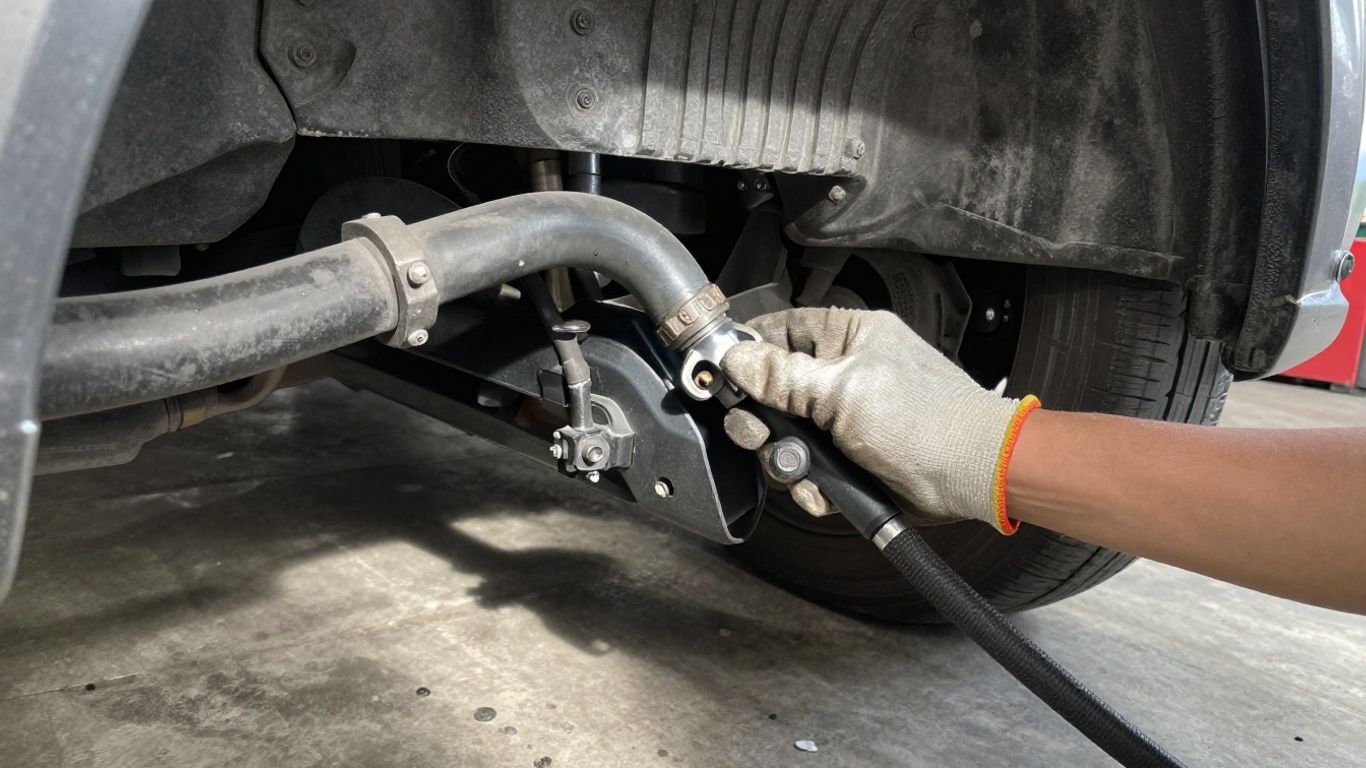
Worn hoses, connections, and seals
Hoses and their connections are exposed to heat, movement, and pressure over time. A connection may seep at a joint, while a hose can become damp along its length or near a crimp. Seals can also harden or wear, allowing fluid to escape; checking the entire nearby run is more useful than looking only at the drip point.
Leaks from the pump or steering rack
A pump leak may leave wetness around the pump body or its connections, while a rack leak can be difficult to see without a clear view underneath. Fluid can travel along a component before it drips, making the apparent location misleading. Owners discussing A6 and S6 leak locations describe hard-to-reach hoses and clamps, a reminder that access varies and visual clues can be obscured.
How Audi model and steering-system type affect likely causes
Model year and vehicle configuration matter, and not every car uses the same steering arrangement. If there is no steering-fluid reservoir, the vehicle may have electric power steering rather than a hydraulic system, so a fluid spot should be investigated as another kind of leak. Do not assume a cause based only on the badge or a symptom shared by other vehicles.
How to locate and confirm the leak
A careful check starts with the fluid level and visible wetness, then follows the evidence toward its source. Work on a parked vehicle in a safe, well-lit place and let hot components cool before inspecting under the hood. If you cannot see the reservoir or reach the suspected area safely, leave the inspection to a professional.
Check the fluid level and inspect for visible wetness
Use the owner’s manual to find the correct reservoir and read its level using the procedure specified for the vehicle. Compare it with the marked range and note whether it changes over time; do not open a hot or pressurized system. This basic reservoir and leak check can help distinguish a suspected hydraulic leak from a problem that needs a different inspection.
Trace fluid from the highest wet point
Fluid runs downward and can spread across covers, brackets, and underbody panels. Start at the highest visible wet area and follow the trail carefully, rather than replacing the part nearest the puddle. If the area is dirty, a repair professional may clean it and recheck after the system has been operated safely.
When a professional pressure test or inspection is needed
Some leaks appear only when the system is operating or are hidden behind components, so a quick look may not reveal the source. A shop can inspect the system under appropriate conditions and determine whether a hose, connection, pump, rack, or another area is leaking. The useful outcome is a confirmed source before parts are replaced, not simply a guess based on residue.
Is it safe to drive with a power steering leak?
Safety depends on how quickly fluid is being lost and whether steering assist has changed. A small seep with normal steering still needs prompt attention, because the condition can worsen and the level can fall. When in doubt, park safely and arrange an inspection instead of testing the car on the road.

How fluid loss can affect steering control
As hydraulic fluid falls below the required level, steering assist may become reduced or inconsistent, particularly during low-speed maneuvers. A pump may also become noisy, and continued operation with insufficient fluid can cause further damage. This guide to driving with a leak covers why an apparently minor loss can become a larger concern; an assessment should be based on the car’s actual symptoms and fluid level.
Warning signs that mean you should stop driving
Pull over somewhere safe and switch off the engine if steering becomes suddenly heavy, the wheel binds, or a loud steering-related noise continues. A rapidly growing fluid patch or a reservoir that is nearly empty also calls for immediate attention. Keep the decision simple: if you cannot steer predictably, do not continue driving.
When to arrange a tow instead of driving to a repair shop
A tow is the safer choice when steering effort has changed sharply, fluid is pouring out, or the system is making sustained loud noise. It is also sensible if you cannot establish that the fluid level is safe or if the leak is close to a belt or another moving part. A short-drive safety guide discusses the difference between a minor seep and warning signs that call for stopping; do not use a short trip as a test when control feels uncertain.
Repair options and cost factors
The repair should address the confirmed source, not just the visible fluid. Depending on what inspection finds, the work may involve a hose, connection, seal, pump, or steering rack. Parts access and the vehicle’s specific configuration can make apparently similar repairs very different in scope.
Replacing a hose, seal, pump, or steering rack
A damaged hose or connection may be replaced or repaired as appropriate, while a leaking pump or rack may require a larger component-level repair. The exact choice depends on where fluid escapes and whether surrounding parts have also been affected. Ask the shop to explain the confirmed failure and the work included before authorizing repairs.
Why repair costs vary by model and damage
Costs reflect more than the price of a component. Labor time, access, parts availability, the extent of the leak, and any damage caused by low fluid can all affect the estimate. For a non-automotive comparison, bathroom remodeling also varies with the work uncovered and the scope selected; the practical lesson is to compare clearly described work, not just a headline price.
Choosing the correct fluid and following Audi service guidance
Use only the fluid specification required for the particular vehicle, as the correct type can vary. Check the owner’s manual or have a qualified technician confirm it rather than choosing by color or using a generic substitute. Once repaired, the system should be filled and checked according to the applicable service procedure.
How to prevent repeat leaks
Prevention is mostly about noticing changes early and confirming that a repair has solved the original problem. Periodic checks can reveal a falling level or new wetness before steering behavior changes. A brief routine is more useful than waiting for a dashboard warning or a large puddle.
Check fluid levels and steering behavior regularly
If the vehicle has a hydraulic system, check the fluid as directed in its manual and pay attention to any change in steering feel. Avoid overfilling, and do not open a hot system. Keeping a simple record of a level that appears to be dropping can help a technician assess how quickly the condition is progressing.
Address unusual noises or fresh fluid spots promptly
A new whine, heavier steering, or recurring spot under the front of the vehicle should not be left until the next routine service. Describe when the noise occurs and where the fluid appears, since those details can help narrow the inspection. On an unrelated household task, careful packing services are about protecting items during a move; for a car, the comparable practical habit is to act before a small problem spreads.
Inspect related components after a repair
After a repair, check that the fluid level remains within the specified range and that no fresh wetness returns. Ask whether nearby hoses, connections, or components should be rechecked, especially if the original leak had spread over a broad area. If steering noise or effort persists, return for follow-up rather than assuming the first repair addressed every symptom.
Conclusion
An Audi power steering leak is worth checking early, but first confirm that the vehicle has hydraulic steering and that the fluid trail points to that system. A measured inspection can distinguish a hose or connection seep from a pump, rack, or unrelated leak. If steering becomes difficult or fluid loss is rapid, stop driving and arrange professional help; otherwise, schedule a timely diagnosis and follow the specified repair and fluid guidance.
Frequently Asked Questions
What does power steering fluid look like?
Its appearance varies with fluid type, age, and lighting, so color alone cannot confirm what is leaking. Location, reservoir level, and a professional inspection are more dependable clues.
Can a power steering leak start as a small spot?
Yes. A small spot can come from a slow seep, but the leak may change over time. Check the level as directed and arrange an inspection rather than assuming it will stay minor.
Why does steering feel heavier when fluid is low?
In a hydraulic system, low fluid can reduce the assist available to help turn the wheels. Heavy or inconsistent steering should be treated as a safety concern, particularly if it begins suddenly.
Can I top up the fluid and keep driving?
Topping up does not repair a leak, and the specified fluid must be used. If steering is difficult, fluid is escaping quickly, or the system is noisy, stop and seek professional advice rather than continuing to drive.
Does every car have power steering fluid?
No. Some vehicles use electric power steering and do not have a hydraulic-fluid reservoir. Check the owner’s manual or ask a technician before identifying a fluid spot as a steering leak.
Where should I look for a power steering leak?
Check the reservoir level and look for wetness around the hydraulic hoses, connections, pump, and steering rack if those components are present. Trace residue upward because fluid can travel before it drips.
When should I tow a car with a steering leak?
Arrange a tow if steering becomes hard or unpredictable, fluid is pouring out, the reservoir is nearly empty, or a loud noise continues. A tow is safer than driving when you cannot control the vehicle confidently.