

Key Takeaways
An AC recharge can restore cooling when refrigerant is low, but that loss usually calls for investigation rather than a routine top-up. The right specification and a careful diagnosis matter as much as the recharge itself.
- Warm or inconsistent air can point to low refrigerant, but it can also signal another fault.
- The refrigerant type and charge amount depend on the vehicle’s specification.
- A leak should be found and addressed instead of repeatedly topping up the system.
- Proper service includes recovery, leak checks, evacuation, and charging by weight.
- Compare service quotes by the inspection and testing they include, not price alone.
When your Audi may need an AC recharge
When the air conditioning stops cooling as it used to, low refrigerant is one possible explanation. A recharge may help if the system has lost refrigerant, but the system should not need routine refills under normal conditions. The same warm air can come from a leak, a mechanical fault, or an electrical issue. Start by noticing what has changed, then have the cause checked before deciding what service is needed.
How reduced cooling can point to low refrigerant
If the cabin takes longer to cool or the air stays warmer than expected, the refrigerant charge may be low. That is a clue, not a diagnosis: airflow, outside temperature, and system operation can all affect how cooling feels. The practical takeaway is to look for a change in performance and ask for a proper inspection, rather than assuming that adding refrigerant will solve it. A guide to Audi refrigerant warning signs offers another overview of symptoms to discuss with a technician.
Why a recharge is not always the fix
An AC system is designed to circulate refrigerant in a sealed circuit. If the amount has fallen, a leak may be allowing it to escape; adding more without finding the cause can leave the original problem in place. Compressor, control, or airflow problems may also produce weak cooling, so a recharge alone is not a universal repair. Find the cause first if you want to avoid paying for the same symptom twice.
When to have the system inspected
Arrange an inspection if cooling has faded noticeably, stops and starts, or does not improve when you adjust the settings. It is also sensible to stop experimenting if a recharge has already failed to help. A technician can check how the system operates and determine whether it needs leak diagnosis, repair, or a correctly specified recharge. The 2017 Audi A4 allroad guide is a model-specific example of why refrigerant type and other possible faults need to be considered together; its details should not be assumed to apply to other vehicles.
How refrigerant needs vary by Audi
There is no single refrigerant specification or charge amount that applies to every Audi. The correct information depends on the specific vehicle, including its model and year. Guessing can lead to an incorrect service, even if a general guide or a recharge kit appears to offer a simple answer. Check the vehicle’s own specification before any refrigerant is added.
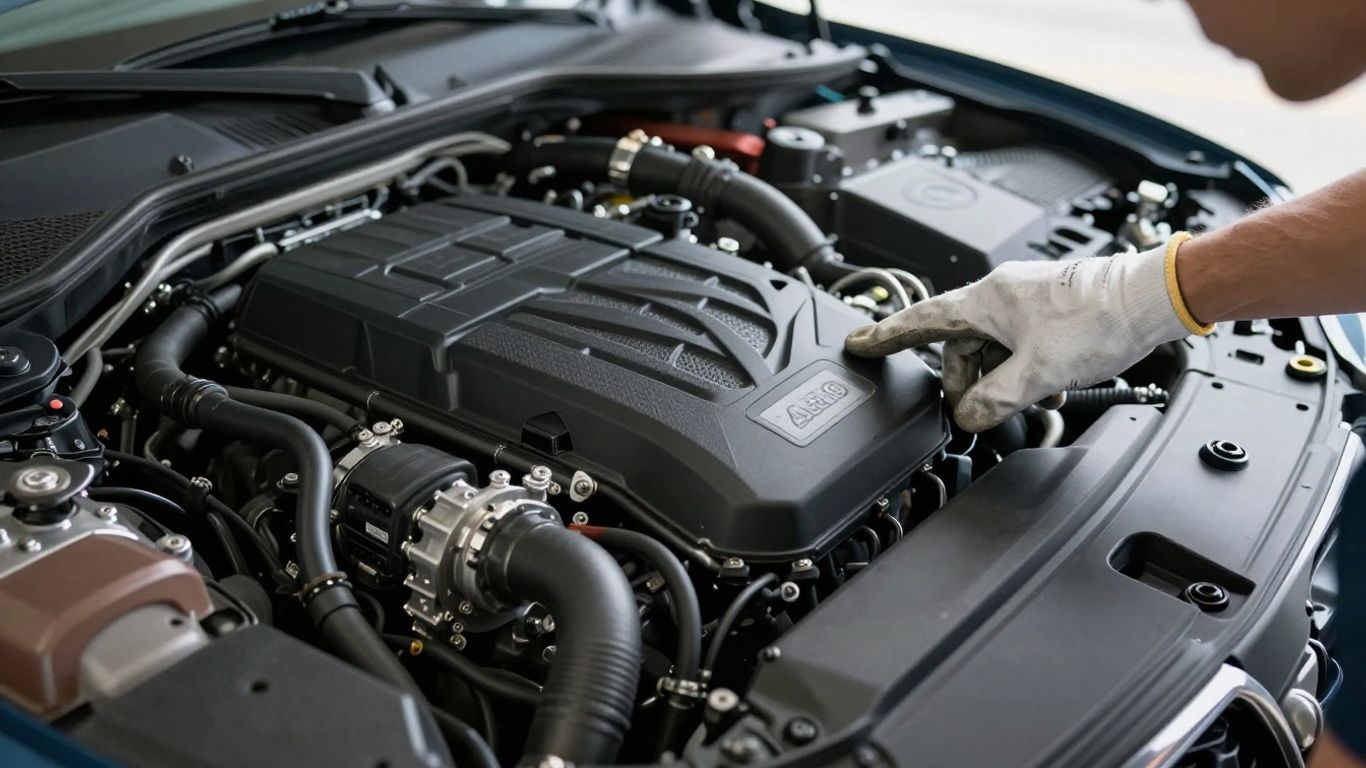
Check the refrigerant type for your model and year
Use the under-hood refrigerant label or vehicle service information to identify the specified type. Do not rely on the model name alone: specifications can differ across years and versions. If a label is missing or hard to read, confirm the requirement through reliable service information before connecting equipment. A general DIY recharge guide is not a substitute for the specification of the vehicle being serviced.
Find the specified refrigerant capacity
The required charge is specified for the particular vehicle and should be measured, not estimated from a pressure reading or the contents of a can. A service reference can help distinguish the details that must be confirmed before work begins:
| Detail to verify | Where to check | Why it matters |
|---|---|---|
| Refrigerant type | Vehicle label or service information | Prevents using an incompatible refrigerant |
| Charge amount | Vehicle-specific service specification | Supports an accurate charge by weight |
| Compressor oil | Service information for the system | Helps avoid using an unsuitable oil |
| Service procedure | Vehicle-specific repair information | Identifies the appropriate equipment and steps |
Treat the table as a reminder to verify the vehicle’s own data, not as a specification for any particular Audi. A qualified technician can consult the applicable service information and record the amount used.
Why the correct oil and equipment matter
Refrigerant is only part of the system’s service requirements. The specified oil, correct service connections, and suitable equipment help prevent contamination or an incorrect charge. Equipment also needs to be appropriate for the refrigerant involved. If those details are uncertain, it is safer to confirm them before work starts than to try to correct a mistake afterward.
What to check before recharging
Before adding refrigerant, establish why cooling has weakened. A visual check may reveal an obvious problem, but it will not rule out every leak or system fault. Asking what will be inspected helps separate diagnosis from a simple top-up. That distinction can make the difference between a lasting repair and a temporary change in vent temperature.
Look for signs of a refrigerant leak
A technician may inspect accessible components and connections for damage or signs consistent with a leak. Some leaks are small or difficult to see, so the absence of an obvious mark does not prove the system is sealed. For that reason, the inspection should follow an appropriate diagnostic process rather than rely on a quick glance. If refrigerant loss is confirmed, identifying the leak is part of deciding what repair is needed.
Consider compressor and electrical problems
The compressor must operate as part of the AC system, and electrical controls can affect whether it runs correctly. A system that does not cool might have a problem with a component, a control, or the conditions that allow the compressor to operate. Those faults are not fixed by adding refrigerant. A broader evacuation and recharge service overview describes the value of checking system operation and accessible components before proceeding with service.
Why pressure readings alone may not identify the fault
A pressure reading is one piece of diagnostic information, not a full picture of system condition. Readings can vary with operating conditions, and a number by itself does not reveal whether refrigerant is leaking or a component is failing. That is why an inspection should consider more than a gauge. For a closer look at how a home cooling system differs, see sealed-system recharge basics; automotive procedures and equipment are not interchangeable with household AC service.
What happens during an AC recharge
A proper recharge is a service procedure, not simply a matter of adding refrigerant until the air feels colder. The technician should confirm the vehicle’s specification and check for issues that would make recharging inappropriate. The process generally includes handling any remaining refrigerant, checking the system, and charging the specified amount. Ask what testing is included so you know whether the visit is a recharge alone or a more complete diagnosis.

Recover any remaining refrigerant
Before the system is opened or serviced, any refrigerant remaining in it should be recovered using appropriate equipment. It should not be deliberately released. Recovery also gives the technician a clearer starting point for the next steps, rather than leaving an unknown amount in the system. Ask whether the quote includes recovery and how the service will be handled if a fault is found.
Check for leaks and evacuate the system
The system should be checked for leaks or damage before a recharge is completed. If there is a concern, the technician may need to investigate it and discuss repair before continuing. Once the appropriate checks are complete, evacuation removes air and moisture from the system as part of preparing it for a recharge. The order matters: adding refrigerant before addressing a known leak may only postpone the same problem.
Recharge by weight and test cooling performance
The specified refrigerant amount should be measured by weight using suitable service equipment. After charging, the technician can operate the system and check whether it cools as expected, while considering any remaining symptoms. A result that is still poor may call for additional diagnosis rather than more refrigerant. A useful recharge service description also illustrates why a quote should clarify which checks and tests are included.
Choosing between DIY and professional service
A DIY kit can look appealing when the only visible symptom is warm air, but it cannot establish the cause on its own. Correct refrigerant type, charge amount, and handling procedures all matter. A professional service is especially useful when the system may be leaking or when a simple top-up has not worked. The best choice depends on what is known about the fault, not just how easy the kit looks to use.
Understand the risks of recharge kits
A gauge on a consumer kit does not provide a complete diagnosis, and adding refrigerant without confirming the required amount can leave the system incorrectly charged. The wrong refrigerant or an unsuitable product can create further problems. There is also a risk in handling a pressurized substance without the appropriate knowledge and equipment. A step-by-step DIY recharge guide may explain a basic procedure, but it should not be treated as proof that a particular vehicle is suitable for DIY service.
Know when specialized equipment is needed
Recovery, evacuation, leak checks, and charging by weight require suitable equipment and a process matched to the refrigerant and vehicle. If the system’s specification is unclear, if a leak is suspected, or if a previous attempt failed, stop and seek professional diagnosis. For a comparison of how careful equipment choices matter in a very different field, a DJI Mavic Air review discusses the considerations involved with an older drone; it is not guidance for vehicle AC service. Similarly, excavation project costs shows how a quote can depend on the work involved, not merely the headline price.
Decide when to book an Audi-experienced technician
Book an inspection if the AC is not cooling reliably, if there are signs of a leak, or if refrigerant type and capacity cannot be confirmed. A technician familiar with the vehicle can consult the relevant service information and distinguish a low charge from another fault. When a repair requires parts, our car-parts network connects customers with quality used, genuine, and aftermarket parts across Australia. The right next step still depends on the diagnosis, not an assumption that a particular part is needed.
What affects recharge cost and long-term performance
The total cost depends on what the system needs, not only on the refrigerant itself. A service that includes inspection and testing may be priced differently from a basic recharge, and repairs add to the total when a fault is found. Ask for a clear breakdown before approving work. Comparing scope as well as price makes it easier to understand what you are paying for.
Compare service costs and included diagnostics
When comparing quotes, check whether they include recovery, leak checks, evacuation, the specified refrigerant, and a performance test. Also ask how the shop handles a system that is found to be leaking or damaged. These questions help distinguish a diagnostic service from a recharge-only offer. For an unrelated example of how scope can affect a quote, a Tauranga excavation cost guide considers site and job details; the same principle of comparing included work applies, even though the services are very different.
Address leaks to avoid repeat recharges
If refrigerant has escaped, repairing the source of the loss is more useful than repeatedly adding more. The right repair depends on where the leak is and what inspection confirms. Once a fault is identified, our car-parts network connects customers with quality used, genuine, and aftermarket parts nationwide; confirm that any replacement part matches the diagnosed need. A recharge should follow the repair and the applicable service procedure, not stand in for it.
Keep the system working with routine checks
Pay attention to changes in cooling and mention them early, before an inconvenient failure becomes a larger diagnostic job. If the system has been serviced, keep the invoice or service record so the refrigerant type and work performed are easy to confirm later. Our car-parts network connects customers with quality used, genuine, and aftermarket parts across Melbourne, Sydney, Brisbane, and nationwide if a diagnosis points to a replacement part. For a completely different kind of product comparison, automatic watches under 500 euros illustrates how specifications vary by model; it is not a guide to vehicle maintenance. Nor is a garage-door supplier in Reigate relevant to AC repair, but its page is an example of a service listing rather than technical vehicle advice.
Conclusion
An Audi air conditioning recharge is most useful when it follows a diagnosis, uses the vehicle’s exact refrigerant specification, and addresses any leak or fault that caused cooling to fade. Before approving service, ask what the inspection includes, how the charge will be measured, and what happens if another problem is found. That small conversation can help set realistic expectations and prevent a temporary top-up from being mistaken for a complete repair.
Frequently Asked Questions
How can I tell if my car needs an AC recharge?
Weak or warm cooling can be a sign of low refrigerant, but it can also point to a leak or another fault. An inspection is the best way to identify the cause.
Does car AC refrigerant need to be replaced regularly?
A properly sealed AC system should not need routine refrigerant refills. If the charge is low, the system may need diagnosis to find out why.
Can I recharge my car AC at home?
DIY kits do not provide a full diagnosis, and the correct refrigerant type and amount must be confirmed. If a leak or other fault is possible, professional service is a safer choice.
Why does my AC still blow warm air after a recharge?
A recharge may not resolve a leak, compressor problem, electrical fault, or another cause of poor cooling. Further diagnosis may be needed.
How is refrigerant capacity determined?
The charge amount is specified for the particular vehicle and should be confirmed using its label or reliable service information. It should be measured by weight rather than guessed.
What does an AC recharge service usually involve?
A proper service may include recovering remaining refrigerant, checking for leaks, evacuating the system, adding the specified amount, and testing performance. Confirm the exact work with the service provider.
Should a leak be repaired before recharging?
If a leak is confirmed, it should be addressed rather than repeatedly adding refrigerant. The system can then be serviced according to its specification and checked for cooling performance.