

Key Takeaways
Oil use is not automatically a sign of engine failure, but a changing pattern deserves attention. A sound Audi oil consumption fix starts with measurement, diagnosis, and a repair matched to the cause.
- Check the oil on level ground and record every top-up.
- Look for external leaks before assuming the engine is burning oil.
- Inspect the PCV system, turbocharger, seals, and piston condition.
- Use the engine’s required oil specification and viscosity.
- Repair the underlying fault instead of relying on additives or guesses.
Understand what normal oil use means in an Audi
Some oil consumption can occur between services, particularly in turbocharged or frequently driven engines. The useful question is not whether the level changes at all, but whether the rate is stable and consistent with the vehicle’s manual. A sudden increase, warning light, smoke, or oil smell changes the situation and calls for inspection.
Audi’s oil consumption specifications and owner’s manual guidance
The owner’s manual is the starting point for the permitted oil specification, checking procedure, and any stated consumption guidance for a particular engine. These details vary by engine code and model year, so a general internet figure should not replace the manual. Record the mileage and amount added rather than relying on memory.
A controlled oil-consumption test may be appropriate when the rate is unclear. The engine is checked for leaks, filled to the correct level, and monitored over a defined distance. That gives a technician something more useful than an isolated low dipstick reading.
How driving conditions affect oil usage
Oil usage can appear higher after sustained high-speed driving, heavy loads, repeated acceleration, or long periods of idling. Short trips can also leave moisture and fuel in the oil, while extreme temperatures affect how quickly the engine reaches normal operating conditions. These factors do not prove a fault, but they help explain why two otherwise similar cars may show different readings.
Keep the comparison fair by checking under similar conditions. Measure after the engine has been shut down for the interval specified by the manual, and use the same level surface each time.
Signs that consumption has become excessive
Frequent top-ups, blue exhaust smoke, an oil warning light, a burning-oil smell, or oil spots beneath the vehicle are all reasons to investigate. Rough running and fouled spark plugs may also accompany oil entering the combustion chambers. A gradual change can matter just as much as a dramatic symptom.
A useful oil consumption diagnostic guide can help organize the possibilities, but it should not replace hands-on testing. Early diagnosis limits damage because low oil can reduce lubrication before the engine becomes obviously noisy.
Why newer engines may use more oil than expected
Modern engines often combine turbocharging, compact dimensions, high power output, and low-friction components. Those design priorities can make oil control more sensitive to heat, crankcase pressure, driving style, and maintenance history. Newer does not mean immune to leaks, deposits, or wear.
The correct response is still evidence-based. Establish the rate, check the oil grade and service history, and separate normal variation from a mechanical problem before authorizing expensive work.
Identify the most common causes of oil consumption
Oil disappears in two broad ways: it leaves the engine through an external leak, or it passes into the intake or combustion process and burns. Several faults can overlap, so replacing the first suspicious part is not always a reliable strategy. A careful inspection narrows the field before repairs begin.
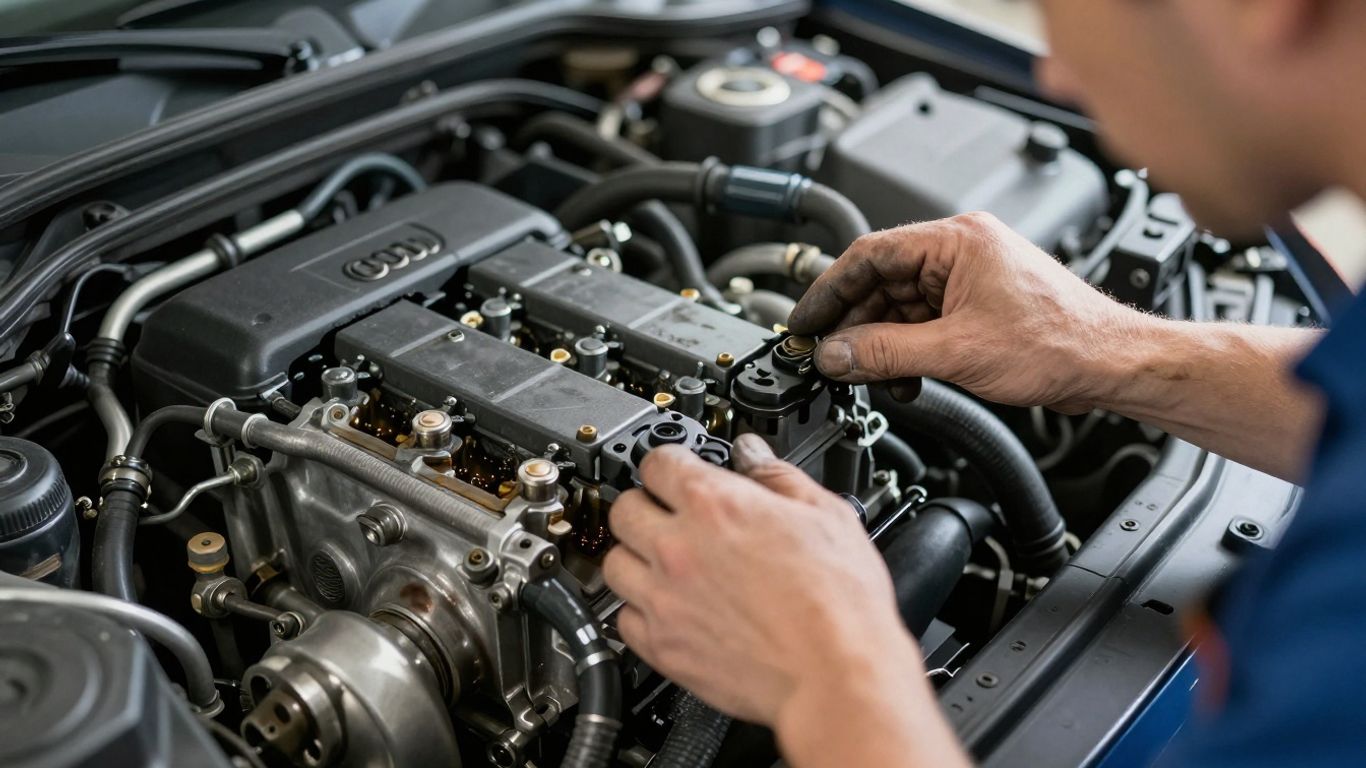
Leaking valve covers, seals, and oil pan components
Valve cover gaskets, camshaft seals, oil pan seals, drain plugs, and filter housings can all leak. Oil may run along the engine or subframe before reaching the ground, which makes the original source difficult to see. A hot component can also burn the oil and create a smell without leaving a large puddle.
Cleaning the area and inspecting it again after a drive often reveals the path. UV dye may help when a small leak is difficult to distinguish from old residue.
Faulty PCV systems and crankcase pressure problems
The positive crankcase ventilation system controls pressure and routes blow-by vapors through the intake in a controlled way. A failed diaphragm, blocked passage, or pressure imbalance can pull excess oil vapor into the intake and may contribute to rough idle or mixture faults. Oil consumption with no obvious puddle makes the PCV system worth checking early.
This PCV fault overview describes the relationship between oil loss, rough idling, and crankcase ventilation symptoms. Those clues are useful, but a code or symptom alone does not prove that the PCV assembly is the sole cause.
Worn piston rings and cylinder wall damage
Piston rings must control oil on the cylinder walls while sealing combustion pressure. Wear, sticking from deposits, damaged cylinder surfaces, or poor ring seating can allow oil into the combustion chamber. The result may be smoke, rising oil use, reduced compression, or deposits on spark plugs.
Ring problems are more serious than a replaceable gasket, but they should be confirmed with testing. Compression results, leak-down findings, crankcase pressure, and inspection history are more persuasive together than any single observation.
Valve stem seals and turbocharger oil leaks
Worn valve stem seals can allow oil into the combustion chambers, often producing smoke after an extended idle or on startup. A turbocharger can also leak oil through its seals or suffer from a blocked oil drain, excessive shaft play, or a related ventilation problem. Intake and exhaust evidence can help distinguish these possibilities.
Do not assume that every puff of smoke means turbocharger failure. The same symptom can come from valve seals, ring wear, condensation, or oil spilled during previous work.
Oil dilution, sludge, and incorrect viscosity
Fuel dilution can thin oil and change its level, smell, and protective ability. Sludge or deposits may restrict oil passages and interfere with rings or ventilation components. Oil that is too thin, too thick, or missing the required approval can also affect consumption and lubrication.
Use the exact specification for the engine rather than choosing solely by brand or price. A vehicle-history review should include service intervals, repeated short trips, previous repairs, and any period when the wrong fluid may have been installed.
Diagnose an Audi that is burning or losing oil
Diagnosis should proceed from the simplest visible causes to internal engine testing. Begin with the oil level, leaks, and service records, then move toward PCV, intake, ignition, and cylinder checks. This order saves time and prevents a major repair from being approved without adequate evidence.
Check for external leaks before testing the engine
Inspect the valve covers, timing covers, oil cooler, filter housing, pan, drain plug, turbo oil lines, and the underside of the engine. Look for fresh wetness rather than treating dark, baked-on residue as proof of an active leak. A pressure-washed engine should be driven and rechecked under controlled conditions.
Also inspect for oil reaching the exhaust or other hot surfaces. A small repair can solve the problem if the loss is external, but only after the true leak point has been identified.
Inspect the PCV system and intake for oil residue
A technician can check crankcase pressure, ventilation operation, hoses, diaphragms, and intake plumbing. A light oil film may be normal, while pooled oil, unusual suction, damaged components, or heavy deposits deserves further testing. The inspection should include related vacuum and mixture symptoms.
The aim is to connect the evidence. Replacing a PCV component may help when it is faulty, but continuing oil use afterward suggests another source or an incomplete diagnosis.
Perform compression and leak-down tests
Compression testing compares the pressure each cylinder can produce, while a leak-down test introduces controlled air and listens for where it escapes. Air heard at the crankcase can point toward rings or cylinder wear; intake or exhaust leakage suggests valve sealing problems. Results must be interpreted alongside engine temperature, test procedure, and service data.
Neither test measures oil consumption directly. They are pieces of a larger diagnosis, especially when paired with smoke behavior, spark-plug condition, and crankcase-pressure measurements.
Use smoke testing and borescope inspections
Smoke testing can reveal certain intake or vacuum leaks, while a borescope can show piston crowns, cylinder walls, carbon deposits, and unusual wetness. These tools are particularly useful when symptoms are intermittent or external inspection finds nothing conclusive.
A visual finding still needs context. Deposits can reflect the result of oil burning without identifying whether the original cause was rings, seals, ventilation, or turbocharger oil control.
Monitor oil usage with a consistent measurement method
Use the same oil, level surface, warm-up routine, and measurement interval whenever possible. Record the date, mileage, amount added, driving conditions, and any smoke or warning-light events. A written log turns a vague complaint into a rate that can be discussed with a technician.
| Observation | What it may suggest | Next useful check |
|---|---|---|
| Wet oil on the engine exterior | Gasket, seal, pan, or housing leak | Clean and reinspect for the source |
| Oil in intake plumbing | PCV or turbocharger oil-control issue | Check ventilation, turbo, and drain paths |
| Blue smoke after idling | Valve seals or oil entering cylinders | Observe smoke pattern and test cylinders |
| Uneven compression or leak-down | Ring, valve, or cylinder wear | Interpret results with borescope findings |
The table is a starting framework, not a parts list. Patterns that repeat across several checks are much more valuable than one dramatic symptom recorded on one trip.
Choose the right Audi oil consumption fix
The best repair depends on where the oil is going and how much damage has occurred. A gasket replacement, ventilation repair, deposit treatment, or internal engine rebuild can each be reasonable in the right case. The wrong choice is usually the one made before the cause is established.
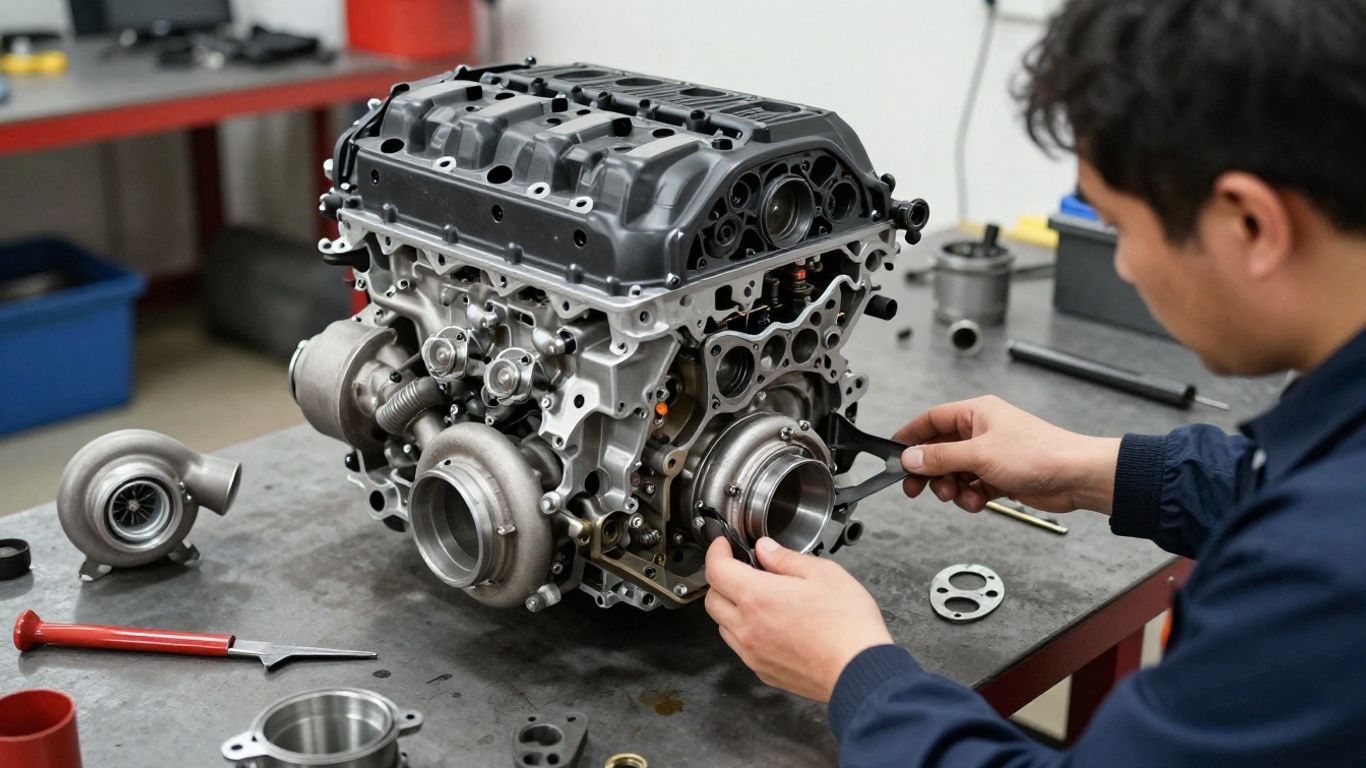
When replacing seals or gaskets is sufficient
If inspection confirms a valve cover, pan, housing, or line leak and the engine otherwise tests well, replacing the failed seal may be enough. The repair should include cleaning the surrounding area and checking nearby components for hardened rubber or distorted sealing surfaces.
Afterward, verify the repair at operating temperature and over several drives. A dry driveway immediately after service is encouraging, but not conclusive.
PCV replacement and crankcase ventilation repairs
A failed PCV diaphragm, valve, hose, or separator can disturb crankcase pressure and draw oil into the intake. Replacement is sensible when testing and inspection identify that component as the cause. Hoses and connected passages should be checked too, since a new valve cannot correct a blocked or split line.
If oil use remains after the repair, return to the diagnostic process. Persistent symptoms may indicate ring wear, turbocharger problems, or more than one fault.
Engine flushing, deposits, and carbon-cleaning limitations
Cleaning may help when deposits are contributing to sticking rings, restricted passages, or poor ventilation. It cannot restore worn metal, repair a damaged cylinder wall, or replace a leaking seal. Some cleaning products may also loosen contamination that was temporarily helping an old seal, so treatment should be selected carefully.
A discussion of deposit-cleaning options can provide background on chemical treatments and their stated uses. Treat those products as possible aids, not proof that a mechanical repair is unnecessary.
Piston ring, valve seal, or turbocharger repairs
Internal repairs become more likely when tests show poor oil control, cylinder wear, valve-seal leakage, or turbocharger damage. The scope may range from replacing valve seals or a turbocharger to removing the cylinder head or dismantling the engine. The estimate should explain what evidence supports each step.
Ask whether the repair addresses the cause, what related parts will be inspected, and what warranty applies. A lower initial quote is not useful if it leaves the source of oil loss untouched.
When an engine rebuild or replacement makes sense
A rebuild or replacement may be considered when multiple cylinders show serious wear, the block or crankshaft is damaged, or the repair cost approaches the vehicle’s value. Mileage, maintenance history, parts availability, and the condition of the transmission and cooling system matter as much as the oil-use rate.
Get a written scope and compare it with the vehicle’s overall condition. Sometimes a targeted repair is practical; sometimes continuing to chase symptoms is more expensive than making a complete decision.
Select the correct oil and maintenance strategy
Oil choice should follow the engine’s documented requirements, not a generic idea that one type is always better. Viscosity, approval, climate, mileage, and operating conditions all matter. Maintenance also includes checking the level and preserving records between scheduled services.
Match oil viscosity and specifications to the engine
Use the viscosity and manufacturer approval listed for the exact engine and operating conditions. A heavier oil is not automatically a cure for consumption, and a thinner oil is not automatically more efficient. Incorrect oil can affect lubrication, emissions equipment, seals, and turbocharger protection.
When uncertain, verify the engine code and service documentation with a qualified technician. Do not mix assumptions from a different model year or powertrain.
Compare conventional, synthetic, and high-mileage oils
Synthetic oil generally offers strong resistance to heat and oxidation, while high-mileage formulations may include seal-conditioning chemistry. Neither category repairs worn rings, a damaged turbocharger, or an active leak. Conventional oil may be suitable only when it meets the required specification and the application allows it.
The label matters more than the marketing category. Select a compliant product, keep the level correct, and watch whether consumption changes after a documented service.
Set a practical oil-checking and top-up schedule
Check the level regularly, especially before long trips, after demanding driving, and whenever a warning appears. Add the correct oil in small amounts, allowing time for the level to settle, and avoid overfilling. Keep a bottle of the approved oil available if the engine has a known consumption pattern.
A simple routine can prevent low-level damage:
- Check on a level surface using the same procedure each time.
- Record mileage and the amount added.
- Inspect for leaks when the level changes unexpectedly.
- Stop driving and seek advice if the oil warning light stays on.
This habit makes trends visible and gives a repair shop useful information. It also reduces the temptation to judge the problem from one reading.
Avoid additives that can mask serious mechanical problems
Additives may alter noise, viscosity, or deposit behavior without correcting the underlying fault. A temporary improvement can delay diagnosis while wear continues. They should never substitute for a leak inspection, pressure testing, or a repair supported by evidence.
If a product is being considered, check compatibility with the engine, emissions equipment, and oil specification first. Be cautious of any promise that sounds like a guaranteed cure for internal wear.
Keep service records for warranty and resale protection
Save invoices, oil specifications, mileage logs, diagnostic results, and photographs of leaks or warning messages. These records show whether the vehicle was maintained and whether consumption changed after a repair. They can also help identify repeated work that failed to address the original cause.
Clear documentation supports a more productive conversation with a repair facility. It is especially valuable when a vehicle has changed owners or has a complicated service history.
Prevent recurring oil consumption problems
Prevention is mostly consistent maintenance and early response, rather than a special product. Oil level, cooling, ventilation, turbocharger condition, and service timing influence one another. A small symptom is easier to investigate before low oil or overheating creates secondary damage.
Follow Audi’s service intervals and inspection requirements
Follow the interval, oil specification, filter requirement, and inspection procedure assigned to the engine. Severe use may justify more frequent attention than a normal schedule, particularly when trips are short or the car spends substantial time in traffic. The manual and service records should guide the plan.
Do not extend an interval simply because the oil still looks clean. Appearance is not a reliable measure of contamination, dilution, or additive depletion.
Watch for warning lights, smoke, and performance changes
Respond promptly to an oil warning light, blue smoke, an oil smell, rough idle, misfires, or a new drop in performance. A vehicle can continue running while oil level and lubrication are becoming unsafe. Avoid repeated hard driving until the cause is known.
A vehicle inspection service may be appropriate when symptoms combine or the source cannot be found at home. Professional inspection is particularly useful when the warning is intermittent.
Maintain turbocharger, cooling, and PCV components
Turbocharged engines depend on clean oil, proper oil drains, adequate cooling, and functioning ventilation. Inspect hoses, cooling leaks, intake plumbing, and PCV components during routine service. Ignoring one system can place extra stress on another.
Use the same care after a turbocharger or engine repair. The replacement part may be sound, but a blocked drain, contaminated oil, or unresolved crankcase pressure can cause repeat trouble.
Adapt maintenance for short trips and severe driving
Frequent short journeys may prevent the oil from reaching a stable operating temperature and can increase condensation and fuel dilution. Towing, high ambient temperatures, dusty roads, and extended idling also change the maintenance burden. Adjust checks and service timing to the actual use of the vehicle.
A weekly level check is simple for many drivers, while a long-distance commuter may choose checks around fuel stops. The useful schedule is the one that is repeatable.
Know when professional diagnosis is more cost-effective
Home checks can identify a low level or visible leak, but smoke patterns, crankcase pressure, compression, leak-down, and borescope findings require proper equipment and interpretation. Paying for diagnosis is often cheaper than replacing several unrelated parts. Seek help when oil loss is rapid, the warning light appears, or the engine runs poorly.
Bring the oil log and service history to the appointment. Clear information shortens the search and improves the chance that the Audi oil consumption fix addresses the actual fault.
Conclusion
An Audi with changing oil use needs a measured response, not panic and not guesswork. Check the level consistently, identify whether oil is leaking or burning, test the ventilation and engine systems, and choose a repair that matches the evidence. That approach protects the engine and makes even a difficult repair decision easier to explain.
Frequently Asked Questions
Is some oil consumption normal?
Yes, some engines use a small amount between services, but the acceptable rate depends on the engine and the manufacturer’s guidance. A sudden change or frequent top-ups should be investigated.
What is the first thing to check when oil keeps disappearing?
Check the level correctly and inspect for external leaks. If no leak is visible, examine the PCV system, intake plumbing, turbocharger area, and combustion-related symptoms.
Can a thicker oil stop oil consumption?
It may change the rate in some situations, but it is not a dependable repair. The oil must meet the engine’s required specification and viscosity range.
Does blue smoke always mean worn piston rings?
No. Blue smoke can also result from valve stem seals, turbocharger oil leakage, or oil entering the exhaust. Smoke timing and diagnostic tests help separate the causes.
Can an engine flush fix high oil consumption?
A flush may help with certain deposits, but it cannot repair worn rings, damaged cylinder walls, failed seals, or a defective turbocharger. Its usefulness depends on the confirmed cause.
How often should engine oil be checked?
Check it regularly and use the same procedure each time, with extra checks before long trips or after severe driving. The owner’s manual should determine the exact checking method.
When is an engine rebuild justified?
A rebuild becomes more reasonable when testing confirms extensive internal wear or damage and a targeted repair will not restore reliable oil control. Vehicle value, overall condition, and the written estimate should be considered together.