

Key Takeaways
Cold weather preparation is mostly about finding small problems before they become roadside problems. Use this Audi winter maintenance checklist as a seasonal walk-through, then confirm model-specific details in your owner’s manual.
- Inspect service items, warning lights, belts, hoses, and the underbody before the first freeze.
- Test the battery and check oil, coolant, and winter windshield washer fluid.
- Measure tread, adjust tire pressure, and choose traction equipment for local conditions.
- Wash away salt, maintain visibility, and test heating and defrosting functions.
- Carry emergency supplies and drive more slowly with greater following distance on ice.
Start with a pre-winter inspection
A pre-winter inspection gives you time to correct wear while the weather is still manageable. Start with the maintenance records and the vehicle’s current symptoms, rather than waiting for a cold morning to reveal a weak point. A short appointment now can be easier and less expensive than an urgent repair during a storm.
Review the Audi maintenance schedule
Check the owner’s manual or service records for mileage- and time-based work that is approaching. Oil changes, brake inspections, fluid checks, and other scheduled items should be considered alongside the age and driving pattern of the vehicle. If records are incomplete, a service professional can help establish a sensible baseline.
Check for warning lights and unusual symptoms
Do not dismiss a warning light simply because the vehicle still drives normally. Pay attention to hard starting, rough running, unusual vibration, new noises, fluid spots, or a change in steering and braking feel. Recording when a symptom occurs can help a technician diagnose it more efficiently.
Inspect belts, hoses, and underbody components
Cold temperatures can make already-aged rubber and plastic components less forgiving. Look for cracking, swelling, fraying, dampness, or loose connections around belts and hoses, and ask for the underbody to be checked for damage, leaks, and corrosion. Salt and rough winter roads can hide problems below the doors and bumpers.
Schedule overdue service before temperatures drop
If inspection shows overdue maintenance, book it before the season becomes busy. A practical winter car care checklist can help organize the appointment around battery, tire, brake, and fluid checks. Completing the work early leaves room for a follow-up if a part needs to be ordered.
Prepare the battery and essential fluids
Starting and visibility depend on a few basic systems working together. Low temperatures can expose a marginal battery, while the wrong fluid or an overdue oil change can complicate routine operation. Check levels on a level surface and use the specifications provided for your vehicle rather than guessing.
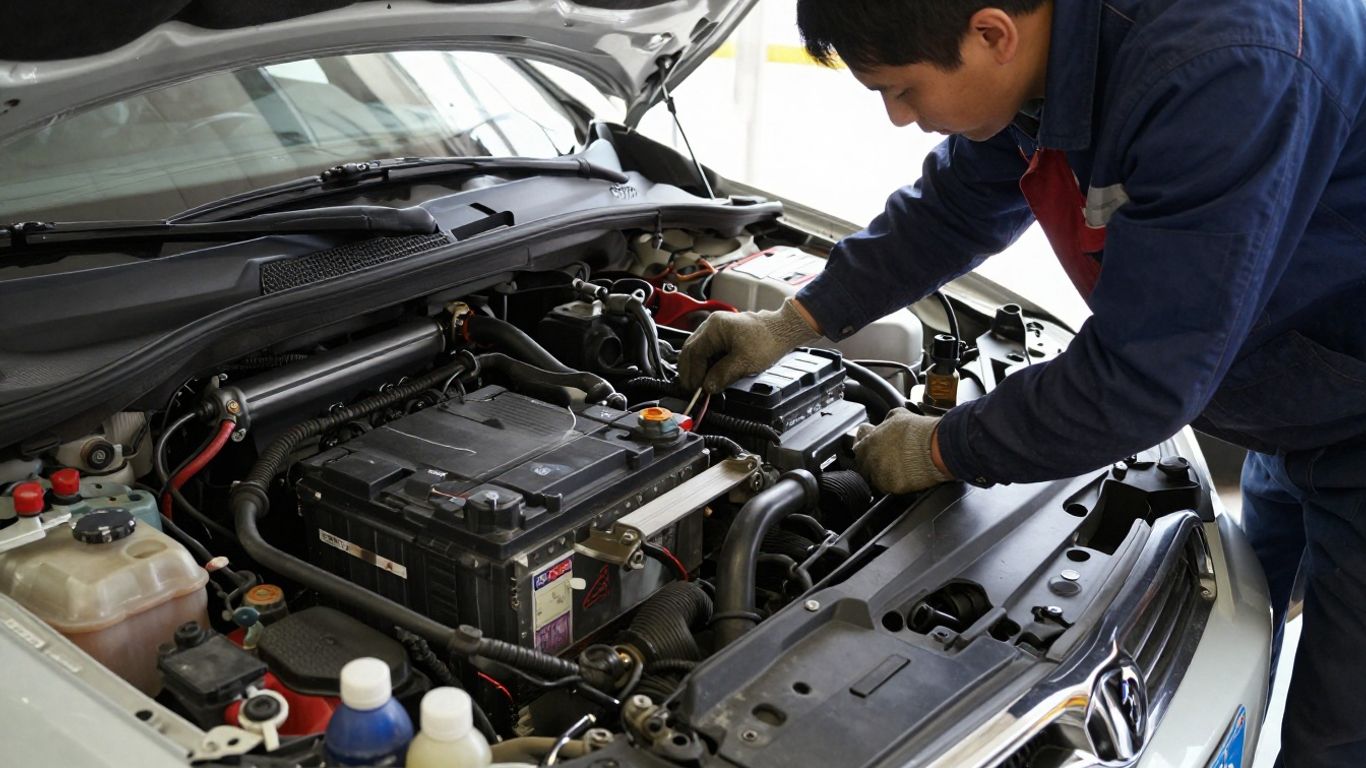
Test battery health and cold-cranking performance
Ask for a battery test that considers both charge and cold-cranking performance. Inspect the terminals for looseness or corrosion, and check that the battery is securely mounted. A battery that starts the car today may still deserve replacement if its test results are weak or its service life is near its end.
Check engine oil viscosity and service intervals
Use the oil grade and approval listed in the owner’s manual. Oil that is overdue for service or unsuitable for the expected temperature range can make cold starts harder. The goal is not simply a full dipstick reading; it is the correct fluid, at the correct level, within the correct service interval.
Top up and protect the cooling system
Check the coolant level only when the engine is cool, and look for staining or dampness around hoses, the reservoir, and nearby connections. The cooling system should contain the proper mixture and protection for the temperatures you expect. If the level repeatedly falls, have the cause investigated instead of repeatedly topping it off.
Refill windshield washer fluid with a winter formula
Replace summer washer fluid with a winter-rated formula before freezing weather arrives. Keep the reservoir reasonably full so road spray and salt can be cleared during longer drives. A seasonal maintenance guide also recommends checking antifreeze and winter washer fluid before cold conditions settle in.
Inspect tires and traction systems
Tires are the only contact between the vehicle and the road, so winter preparation should focus on condition as well as pressure. Snow, ice, cold rain, and slush all reward smooth inputs and dependable traction. Inspect all four tires together, including any seasonal set stored off the vehicle.
Measure tread depth and look for uneven wear
Measure tread depth at several points across each tire and inspect for cuts, bulges, cracking, or exposed cords. Uneven wear can point to alignment, suspension, or inflation issues that need attention. Do not rely on one tire looking acceptable while an axle has a more serious problem.
Set tire pressure for changing temperatures
Check pressure when the tires are cold and compare it with the vehicle’s recommended setting, not the maximum printed on the sidewall. Pressure often changes as ambient temperature changes, so recheck it during sharp weather swings. The tire-pressure monitoring system is useful, but it should not replace a physical check.
Decide whether winter tires are necessary
Consider winter tires if your area regularly receives snow, ice, or prolonged temperatures near freezing. Look at local conditions, hills, driving hours, and whether your routes are cleared quickly. If you change sets, keep the tires matched appropriately and confirm that the replacement wheels and pressures suit the vehicle.
Check the spare tire or tire mobility kit
Confirm whether your vehicle carries a spare, inflator, sealant, or another mobility arrangement. Check expiration dates on sealant and make sure the jack, wrench, and locking-wheel-bolt adapter are present if applicable. A puncture plan is only useful when the equipment is accessible and in working order.
Protect the exterior from winter damage
Salt and wet road grime can remain in seams, wheel wells, and underbody areas long after a drive ends. Exterior care is not only cosmetic; it also helps you notice damaged paint, blocked lighting, and deteriorating seals. Choose a dry period for washing and allow trapped moisture to clear.
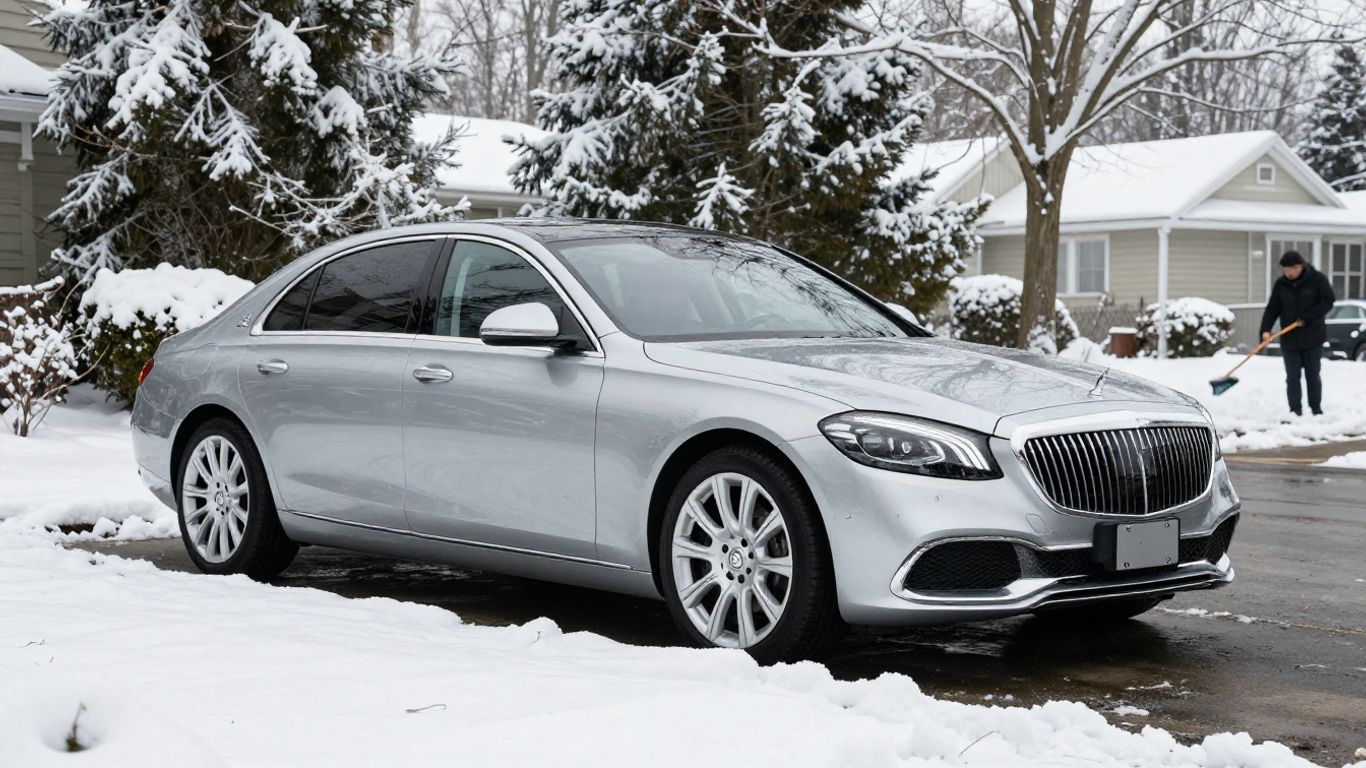
Wash away salt, slush, and road grime
Rinse the lower body, wheel wells, door edges, and underbody where practical. Use a clean mitt and suitable automotive soap rather than dragging gritty residue across painted surfaces. Frequent rinsing after salted-road travel is more useful than waiting for a thick layer of grime to build.
Inspect paint, glass, and exterior lighting
Look for chips, scratches, cracked glass, condensation inside lamps, and lights that appear dim or uneven. Clean lenses before judging their condition, and repair small glass or paint damage before repeated freeze-thaw cycles make it worse. Walk around the vehicle in daylight so hidden areas are easier to see.
Apply protection to seals, locks, and exposed surfaces
Clean door seals and inspect them for tears or flattening. Use only products recommended for automotive seals and locks, avoiding household oils that may damage rubber or attract grit. Keeping these areas clean and supple can make winter entry less frustrating and helps prevent small tears from spreading.
Check wiper blades and clear snow safely
Replace blades that chatter, smear, split, or leave unwiped arcs. Before moving the vehicle, brush loose snow away with a soft snow brush and remove ice with an appropriate scraper; do not use hot water on cold glass. Clearing the roof, hood, lamps, and mirrors also prevents loose snow from becoming a hazard while driving.
Improve visibility and cabin comfort
Winter days bring low light, spray, fog, and frequent changes between a cold cabin and a warm one. Visibility checks should include the glass itself, the wipers, the defroster, and any camera or sensor areas. Comfort matters too, since a warm, clear cabin makes it easier to remain attentive.
Replace worn windshield wipers
Wiper blades should move smoothly without skipping or leaving a film. Inspect the rubber edge for splits and hardening, and clean the blade and windshield before deciding whether replacement is needed. Keep a spare set or arrange replacement before a forecast calls for freezing rain.
Test the defroster and climate control
Run the front and rear defrosters and check whether airflow reaches the expected areas. Notice weak airflow, unusual odors, or windows that take unusually long to clear. If the climate system behaves inconsistently, have it checked before you depend on it during a cold commute.
Clean the windshield, cameras, and sensors
Clean the inside and outside of the windshield with a residue-free glass cleaner. Remove snow, salt film, and road spray from cameras and sensors, following the vehicle’s instructions for those surfaces. Even a thin coating can interfere with what you can see or with driver-assistance functions.
Confirm that heated seats and mirrors work properly
Test heated seats and exterior mirror heating before the first severe cold spell. Check each control separately and allow enough time to notice whether warmth develops evenly. These features are conveniences, but they can also reduce the temptation to drive before the glass and mirrors are properly clear.
Prepare for safe winter driving
Good preparation cannot create grip where the road has none. Even with a well-maintained vehicle, snow and ice require gentler acceleration, braking, and steering. Learn how the vehicle behaves in a safe, open area before you need those responses in traffic.
Understand how Audi quattro performs in snow
Quattro can help distribute drive to the wheels that have traction, but it does not shorten every stopping distance or overcome worn tires. Continue to accelerate gradually, steer smoothly, and leave room to slow down. Four-wheel drive is an aid to control, not a substitute for appropriate speed and tire condition.
Use ABS and electronic stability systems correctly
If ABS activates during hard braking, keep firm pressure on the brake pedal and steer toward the intended path rather than pumping the pedal. Electronic stability systems generally work best when allowed to operate as designed. Avoid disabling them for ordinary road driving unless the owner’s manual gives a specific reason.
Increase following distance on icy roads
Leave substantially more space than usual and begin slowing well before intersections, turns, and downhill sections. Watch for shaded pavement, bridges, and areas where melting snow can refreeze. A useful rule is to make every control input gradual enough that the tires have time to respond.
Remove snow and ice before driving
Clear every window, mirror, lamp, and the roof before setting off. Do not depend on a small opening in the windshield, and never drive with a thick layer of snow covering the vehicle. After clearing it, take a moment to confirm that the wipers are free and the washer jets are not blocked.
A short winter-driving demonstration can reinforce these habits, but practice and local road awareness remain more valuable than memorizing a single technique.
Build a winter emergency kit
A compact emergency kit is useful even for short trips because weather and traffic can change quickly. Store items where they will not interfere with pedals, airbags, or cargo security. Refresh consumables periodically and adapt the kit to the length of your normal journeys.
Pack traction aids and basic tools
Include equipment that helps you regain mobility without damaging the vehicle. A sensible group of supplies includes:
- A compact shovel and traction material suitable for icy ground.
- Work gloves, an ice scraper, and a soft snow brush.
- A tire-pressure gauge, portable inflator, and basic hand tools.
- Reflective warning equipment and a method for securing loose items.
These tools do not replace roadside assistance, but they can make a brief delay safer and less stressful. Check that everything fits securely and can be reached without unloading the entire vehicle.
Carry warm clothing, blankets, and drinking water
Keep a coat, hat, gloves, sturdy footwear, and a blanket in the vehicle during the cold season. Water and a few shelf-stable snacks are sensible additions for a prolonged delay. Pack clothing in a waterproof bag so it remains useful after snow or melted ice enters the cargo area.
Include a flashlight, charger, and first-aid supplies
A charged flashlight, spare batteries, phone charger, and basic first-aid supplies deserve permanent places in the kit. Add any personal medication or mobility items that might be needed during an unexpected stop. Review the contents at the beginning of winter and after using anything.
Keep roadside assistance and service contacts accessible
Save roadside assistance, insurance, and preferred service contacts in your phone, but keep a written copy in the vehicle as well. The same habit used to organize Travel FX privacy information or Venturis Clinic contact details is useful here: know what information you may need before an urgent situation occurs. Keep vehicle registration and insurance documents current and easy to find.
Conclusion
Preparing before temperatures fall gives you time to handle weak batteries, worn tires, poor visibility, and overdue service without the pressure of a storm. Work through the vehicle systematically, drive within the conditions, and refresh the emergency kit as the season progresses. Small checks made early can make winter travel calmer and more predictable.
Frequently Asked Questions
When should I start winter vehicle maintenance?
Begin several weeks before the coldest weather is expected. That leaves time for inspection, parts, tire changes, and any repairs that cannot be completed in one visit.
How often should tire pressure be checked in winter?
Check it at least monthly and whenever temperatures change sharply. Measure pressure when the tires are cold and use the vehicle manufacturer’s recommended setting.
Are winter tires necessary in every snowy area?
Not everywhere, but they are worth considering where snow, ice, or sustained cold is common. Your routes, terrain, driving schedule, and local regulations should guide the decision.
Can all-wheel drive replace winter tires?
No. All-wheel drive can help with acceleration and control, while tires provide the grip needed for turning and braking. Tire condition and speed still matter greatly.
What should I do if a warning light appears before winter?
Arrange an inspection rather than waiting for the light to disappear. Note the light’s color, any related symptoms, and when it appears so the problem can be assessed accurately.
How can I prevent windshield washer fluid from freezing?
Use a winter-rated washer fluid that matches the expected temperatures and avoid diluting it with water. Keep the reservoir filled and make sure the spray nozzles are clear.
What is the most important item in a winter emergency kit?
There is no single item for every situation, but warm clothing, a way to communicate, lighting, traction help, and basic first aid cover the most common delays. Keep the kit accessible and check it before winter travel.