

Key Takeaways
Maintaining the electrical health of your vehicle is critical for consistent performance. This guide covers the essential steps for keeping your power system in peak condition whether you are commuting locally or planning for long-term storage.
- Regular physical inspections can uncover corrosion that often leads to starting problems.
- Digital multimeters are indispensable for accurate resting voltage measurements.
- Battery registration via OBD2 tools is necessary for the gateway module to manage charging correctly.
- Charging system health depends on stable alternator output and clean ground connections.
- Proactive replacement schedules prevent the sudden failure of electrical systems during operation.
Recognizing early signs of battery failure
Identifying electrical issues early significantly prevents the inconvenience of a stranded vehicle. Understanding the subtle performance variations in your luxury sedan allows for timely intervention before total system failure occurs. Most modern vehicles provide ample warnings if you know where to look, ensuring that electrical health can be monitored alongside routine fluid changes.
Sluggish engine cranking during cold starts
When you notice that the engine takes longer than usual to turn over during chilly mornings, this is often the first indicator of diminished cold cranking amps. The hidden decline in capacity becomes glaringly apparent as the starter motor struggles to cycle the engine against heavier oil viscosity. If these symptoms persist, ensure you check the foundational aspects of your power unit as detailed in common Audi battery problems.
Dimming dashboard lights and interior electronics
Flickering interior illumination or instrument clusters that lose brightness during ignition represent a drop in voltage stability. This oscillation suggests that the internal resistance within the battery has increased, affecting peripheral systems. These electronics rely on consistent power delivery, and when that supply fluctuates, the system diagnostic interfaces often log transient errors.
Repeated "low battery" warnings in the MMI display
Frequent software alerts regarding energy reserves are direct messages from the infotainment gateway regarding depth of discharge. While sometimes triggered by short, city-based drives that do not allow for full alternator replenishment, these warnings frequently signal that the internal plates of the battery are no longer maintaining a sufficient charge. Such warnings should be taken seriously as they indicate the vehicle management system is actively shedding non-essential loads to prioritize starting power.
Irregular malfunctions in auxiliary comfort systems
Adaptive features like start-stop functionality often become the first casualty of a degrading power source. When the computer detects that the battery state of health is subpar, it will automatically disable these comfort functions to preserve the battery for primary vehicle operations. These malfunctions are rarely isolated; they often coincide with other systemic electrical irregularities that point toward a looming replacement requirement.
Performing a physical inspection of the battery
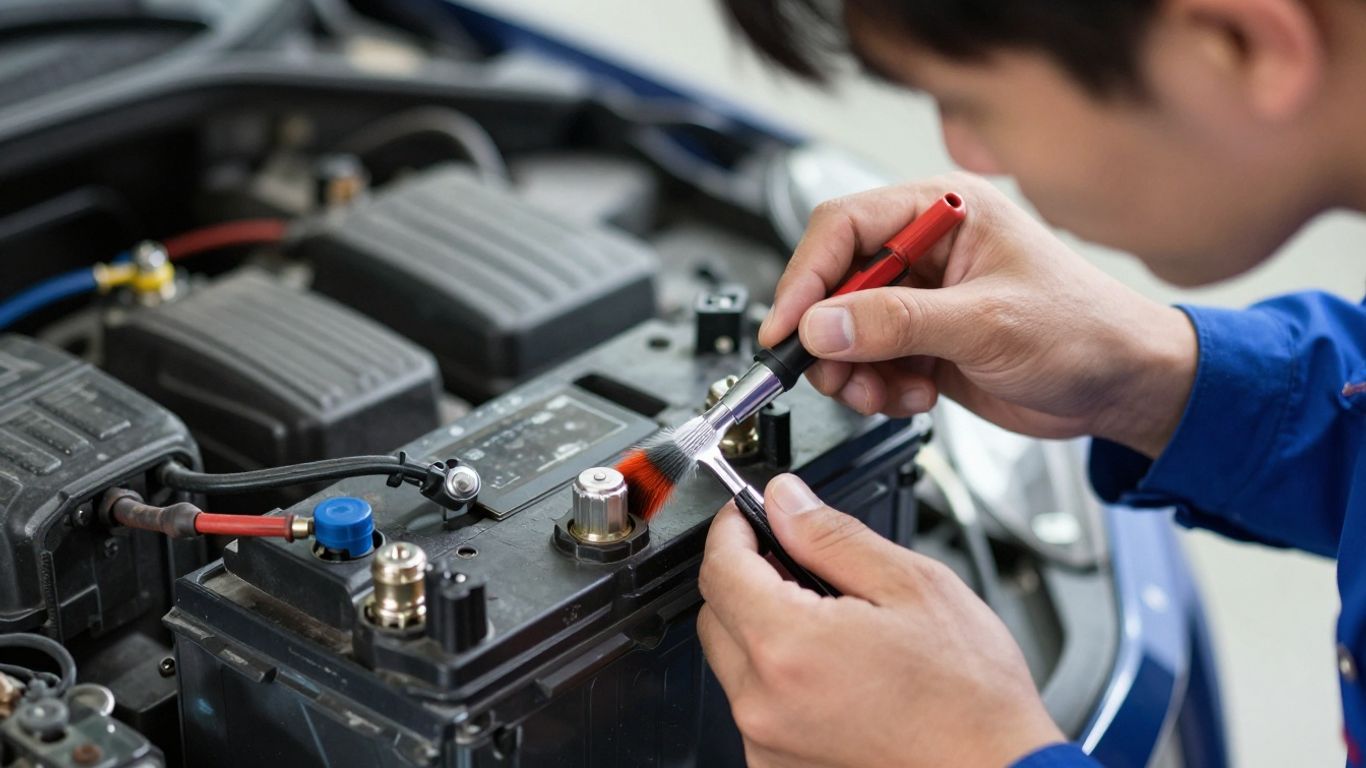
Visual diagnostics are just as vital as digital assessments for maintaining long-term vehicle performance. A surface-level check allows you to spot issues that a computer diagnostic tool simply cannot see, such as localized physical damage or oxidation. It is best to perform this inspection in a well-lit area with the ignition turned completely off to ensure safety.
Checking for corrosion on terminal posts and connectors
White or blue deposits on the positive and negative terminals create significant resistive barriers to current flow. By cleaning these posts with a suitable brush and neutralizing solution, you improve the connection quality dramatically. This simple maintenance step remains a core part of keeping Audi starting issues at bay, as poor contact is often mistaken for a dead cell.
Identifying physical signs of battery case swelling or leaks
Extreme thermal cycles can cause the casing to expand, suggesting that the internal chemistry is no longer performing within safe parameters. Any visible bulging or signs of electrolyte seepage require immediate attention, as these physical defects indicate severe degradation. Owners concerned about such mechanical failures might look at Kia Soul EV battery maintenance as a reference for how different battery architectures behave under stress.
Verifying the security of factory mounting brackets
Ensuring the battery is physically locked into the tray is critical to prevent vibration-induced damage to the internal lead plates. A loose battery can strike nearby components or wear through its own casing. This is especially true for drivers utilizing Urtopia Carbon Fold 2 for transport, as they understand the value of secure hardware in mobile equipment.
Inspecting battery cables for fraying or heat damage
Cables should be supple and free of any melted insulation or exposed copper wires. Damage in these conductors often results from high electrical resistance, which generates immense heat in the circuit. If you identify such burning or fraying, it is imperative to replace the lead assembly before further damage occurs to the charging circuit.
Using diagnostic tools for electrical assessment
Advanced diagnostic procedures enable a more precise understanding of whether a battery has reached its end of life or if the charging system requires intervention. Using professional-grade tools removes the guesswork inherent in relying on symptoms alone. Implementing these assessments ensures your electrical system is validated by objective data.
Deploying a digital multimeter to measure resting voltage
With the engine off, a healthy unit should return a value between 12.6 and 12.8 volts. Setting the multimeter to the DC voltage scale allows for an accurate read across the terminals, providing a baseline for your assessment. If the reading falls consistently below twelve volts, the battery is either heavily discharged or failing to hold a charge effectively.
Conducting a load test to simulate engine starting conditions
Load testing applies a significant electrical demand to mimic the strain of an engine start. This helps differentiate between a battery with low surface charge and one with internal damage. Review the following matrix to interpret common outcomes observed during shop testing:
| Observation | Likely Diagnosis | Recommended Action |
|---|---|---|
| Drops below 9V | Failed Cell | Replace Battery |
| Holds at 10.5V | Healthy | Continue Monitoring |
| Recovers Slowly | Sulfation | Perform Recondition |
By comparing these metrics against the service criteria, you can determine exactly when replacement is required for reliable performance.
Interpreting fault codes via OBD2 scanner diagnostics
Modern interfaces often log specific codes regarding the energy management system when voltage thresholds are crossed. Utilizing an OBD2 scanner allows you to see the history of these events, showing how often the battery has fallen below target voltages. This data is invaluable for those navigating a dead Audi battery in variable climates where temperature fluctuations aggravate existing weaknesses.
Analyzing parasitic drain to identify hidden power losses
Parasitic draw is the current pulled by various modules when the vehicle is parked. By placing your multimeter in series, you can measure if the "sleep mode" consumption exceeds the manufacturer specification. If you are struggling with recurring issues, identifying these quiet drains on your power reserves is a necessary step compared to managing complex enterprise billing or other digital logistics.
Handling battery management system registration

Registration is the process of informing the vehicle gateway module that a new power source has been installed. Because the charging profile adjusts based on the age and performance characteristics of the previous unit, failing to register the replacement can lead to premature failure. This procedure is fundamental to maintaining the sophisticated energy management architecture found in newer models.
Understanding why Audi requires battery registration
Registration forces the alternator to reset its charging algorithm to account for a lower internal resistance in a new unit. Without this, the system may overcharge the new battery, significantly shortening its lifespan. For individuals dealing with persistent errors, Audi Denver service technicians emphasize that this step is as critical as the installation itself for maintaining luxury performance standards.
Impact of installing non-compatible battery capacities
Installing a battery that does not match the specifications programmed into the computer can cause significant software conflicts. The management module expects specific capacity measurements and power throughput profiles. Deviating from these settings risks damaging the charging controller, which is often harder to replace than the battery itself.
Steps to update the gateway module after physical replacement
- Connect a compatible OBD2 programming interface to the vehicle diagnostic port.
- Access the "Battery Regulation" or "Energy Management" module in the software menu.
- Enter the new serial number, capacity, and technology type (e.g., AGM) into the corresponding fields.
- Save the adaptations to confirm the gateway module has finalized the update.
Following these steps ensures that the vehicle handles energy distribution perfectly. Much like ensuring you have the right steps for a Sausage Meatloaf recipe, precision here yields the best result.
Risks of failing to recode the battery management unit
Failure to perform the recoding process often results in the new battery being treated as an old, degraded one. This limits the total current availability and can lead to the disabling of auxiliary features, such as start-stop, almost immediately after installation. Over time, the improper charging cycle will cause the new unit to fail prematurely, rendering the investment wasted.
Addressing common charging system failures
Charging system issues often masquerade as battery problems, making accurate diagnosis essential before condemning the power unit itself. When the delivery system fails, even a brand-new battery will eventually exhaust itself. Regular checks of these driving components ensure that the battery remains topped off during your daily commute.
Testing the alternator output for voltage stability
A functional alternator should output between 13.5 and 14.8 volts while the engine is idling. Using a multimeter, check the voltage under load, including headlights and seat heaters. If the voltage drops below this range, the alternator may not provide the necessary amperage to charge the battery while running interior systems.
Evaluating the condition of the serpentine belt drive
The serpentine belt drives the alternator, and its failure results in an immediate cessation of charging capabilities. Inspect the belt for cracks, glazing, or uneven tension that might cause slippage. Even if the alternator is sound, a slipping belt will fail to spin the generator fast enough to produce adequate power.
Identifying faulty voltage regulators in modern charging circuits
Voltage regulators maintain a steady flow of electricity regardless of engine speed. If the regulator fails, it may fluctuate between delivering too little or too much power, potentially damaging the electrical grid. Diagnosis typically involves observing output waveforms on a scope to ensure the rectification is smooth and consistent.
Inspecting ground straps for oxidation and connectivity
Grounding cables facilitate the return circuit for all vehicle electronics and are common points of failure due to exposure. If these straps appear frayed or corroded, they create resistance that causes dimming lights and sluggish electronics. Maintaining clean, secure grounds is vital for Audi Jacksonville Dealer Masters to diagnose electrical issues correctly in high-humidity areas.
Evaluating safety and maintenance requirements
Handling lead-acid power sources requires adherence to established safety protocols to avoid chemical exposure or fire hazards. Safety is the priority whenever you work near electrolytes or high-current systems. These guidelines ensure that your maintenance practices align with professional standards for Beenleigh Tavern or any commercial garage environment.
Standard precautions when handling AGM (Absorbent Glass Mat) batteries
These units contain hazardous materials, so always wear proper protection, such as eye gear and acid-resistant gloves. Avoid short-circuiting the poles with metal tools, as the high current can weld metal or cause a fire. If your battery casing is cracked, treat the spill with caution using the appropriate neutralizing agents.
Determining the optimal timing for proactive power source replacement
Rather than waiting for a failure, it is wise to replace units that reach the four-to-six-year mark. Even if the vehicle still starts, the internal material fatigue can make the system less resilient to extreme temperatures. Establishing a proactive timeline prevents having to deal with an emergency roadside situation, keeping your travel schedule secure.
Best practices for maintaining charge during long-term storage
When a vehicle remains stationary for extended periods, a trickle charger is essential to prevent deep discharge. Disconnecting the battery or using a smart maintainer preserves the chemical integrity of the plates. This preserves the life of the unit and prevents common startup issues upon your return.
Distinguishing between battery-related issues and starter motor failure
A battery fault is characterized by weak, labored cranking, whereas a starter motor fault often presents as a single "click" or complete silence when you turn the key. If your lighting system remains bright but the engine shows no sign of turning, the deficit likely lies in the starter solenoid or the motor itself. Knowing this distinction saves you from replacing perfectly good parts.
Conclusion
Mastering these maintenance steps ensures your luxury vehicle remains reliable throughout its service life. By focusing on the health of your battery and understanding the integration between charging components, you can effectively prevent common electrical disruptions. Staying informed and proactive allows you to enjoy the full engineering potential of your car with total peace of mind.
Frequently Asked Questions
How often should I check my battery health?
It is beneficial to assess battery health during each annual service visit or whenever the seasons change, as temperature shifts significantly impact electrical performance.
Can a bad battery trigger other system warning lights?
Yes, low system voltage often causes various control modules to register false errors or communication faults, leading to a cluster of warning lights on the dashboard.
Do I really need to use a battery maintainer for short-term parking?
While not needed for overnight parking, a maintainer is highly recommended if the vehicle will sit idle for more than two weeks to prevent natural self-discharge.
Does weather affect how long my battery lasts?
Both high heat and extreme cold accelerate chemical degradation, meaning batteries in extreme climates typically require replacement sooner than those in moderate environments.
Is it safe to jump-start my car if the battery is completely flat?
Jump-starting is possible for occasional emergencies, but it places significant stress on the charging system and should be followed by a proper diagnostic check.
Will a new battery stop my start-stop system from being disabled?
Replacing a degraded battery usually restores the functionality of the start-stop system, provided the module is correctly registered to the new unit.
Is it possible to test for parasitic drain using simple tools?
Yes, a basic digital multimeter can measure current flow between the negative terminal and the ground cable when the car is locked to identify if modules are staying awake.