

Key Takeaways
Maintaining your engine’s ignition system is crucial for preserving power, fuel efficiency, and long-term reliability. Understanding the nuances of spark plug replacement is essential for every vehicle owner.
- Regular replacement intervals prevent misfires and engine damage.
- Correct torque specifications ensure long-term integrity of the spark plug.
- Using OEM-spec plugs ensures perfect compatibility and ignition timing.
- Clean working conditions during the swap help prevent cylinder debris.
- Proper diagnostics after installation confirm system performance.
Understanding the importance of Audi spark plugs
High-performance internal combustion engines rely on precise combustion timing to deliver consistent power and throttle response. Spark plugs act as the final trigger in this cycle, and their condition directly influences how effectively fuel burns within the cylinder. Relying on Audi’s ignition system ensures your vehicle operates as the manufacturers intended, preventing potential complications that arise from neglected components.
Why they matter for engine performance
The fundamental operation of a spark plug is to bridge the gap between the ignition coil and the combustion chamber. When these plugs perform optimally, the engine idles smoothy and accelerates with the responsiveness expected from high-precision engineering. If the thermal transfer is off or the electrode is eroded, engine performance will inevitably lag behind factory benchmarks.
Symptoms of failing spark plugs in Audi models
Drivers often notice a decline in raw power when ignition components begin to reach the end of their lifespan. Common indicators include a stumbling engine idle, sluggish throttle response during highway passing, or an unexpected decrease in overall fuel economy. When the ignition misfires, your car’s brain might store specific fault codes that alert you to address the issue before it causes secondary failures.
Impact of ignition failure on long-term engine health
Allowing spark plugs to remain in service far beyond their rated interval can cause severe damage that spreads to other expensive components. If a plug fails to fire, raw fuel may dump into the exhaust system, which risks damaging sensitive catalytic converters or causing rough, inconsistent piston firing. Maintaining spark plug wisdom helps avoid these pitfalls and ensures that your vehicle’s engine remains highly efficient for years to come.
Essential tools and materials for the job
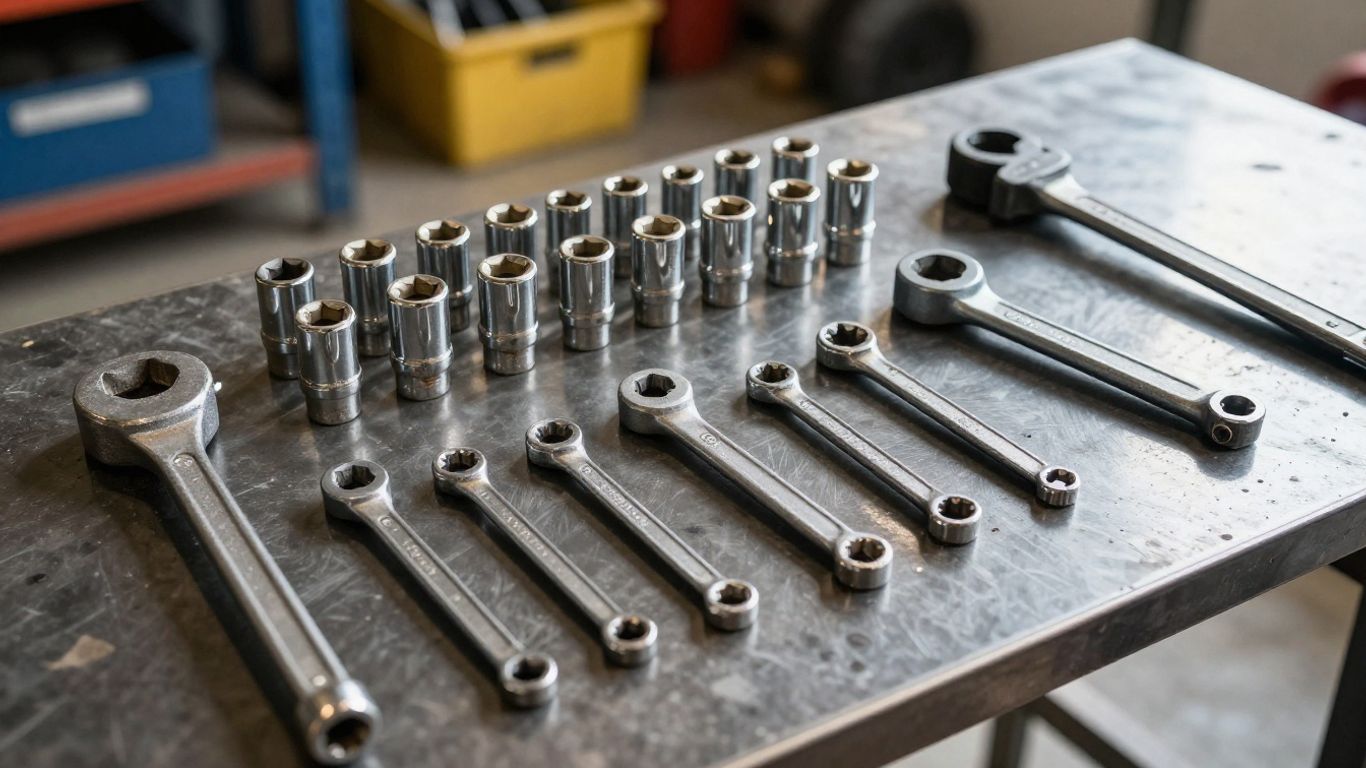
Servicing your own vehicle requires specialized equipment to reach recessed components without causing damage to the cylinder head. The right setup involves both specific manual tools and a thoughtful approach to quality replacement parts. Making a proper investment in your workflow, much like selecting AI optimisation services for your business visibility, allows you to work with confidence and precision.
Required socket sizes and torque wrenches
You will need a high-quality spark plug socket, typically featuring a rubber insert to protect the plug during removal and installation. A calibrated torque wrench is mandatory to ensure that the spark plugs are tightened to the precise factory-recommended Newton-meter levels without stripping threads or damaging the seal.
Selecting the right OEM or aftermarket spark plugs
Choosing the correct spark plug material—whether copper, platinum, or iridium—is vital for keeping your engine within its designed heat range. Always compare manufacturer specs to ensure the plug heat range aligns with your specific engine tuning and environmental conditions.
Safety equipment and preparation gear
Working under the hood necessitates basic protection such as nitrile gloves and safety glasses to handle carbon deposits or chemical cleaners. It is also wise to have a dedicated mat or fender cover to keep the vehicle body in perfect shape, perhaps keeping in mind the luxury standard of Privé Malibu when keeping your own workspace professional.
Preparing the vehicle for service
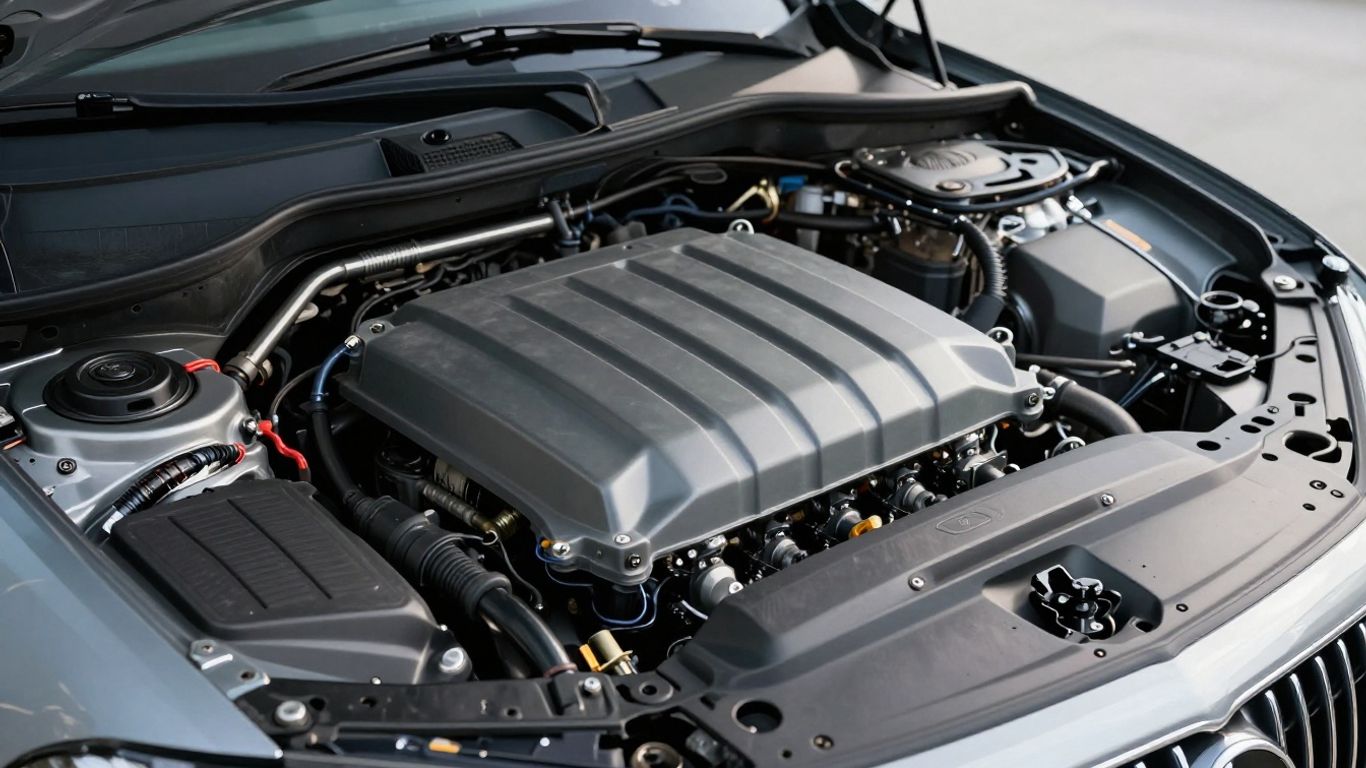
Before you begin the physical exchange of parts, the vehicle must be in a state suitable for mechanical maintenance. Cooling down the engine bay is non-negotiable, as expansion and contraction rates differ drastically between hot and cold metal components. Applying human-first sales strategies to your approach—taking time to do things right rather than rushing through—is the best way to ensure quality results.
The necessity of a cool engine for removal
Attempting to unscrew spark plugs from a hot engine risks thread damage in the delicate aluminum cylinder head. Allowing for at least two hours of cool-down time remains the standard practice to ensure both worker safety and material protection.
Accessing ignition coils on various engine platforms
Ignition coils generally rest directly atop the plugs, held in place by small bolts or friction fittings that require careful removal. Once identified, you should carefully disengage the electrical harness connectors, ensuring you do not pull on the wires themselves, which could compromise the connection.
Cleaning the surrounding area to prevent engine debris
Before taking the old plugs out, remove any loose dirt, leaves, or grit that has accumulated near the spark plug wells. Using compressed air or a soft brush is a standard part of the job, because you definitely want to keep your engine internals free of contaminants.
| Tool Type | Function | Usage Note |
|---|---|---|
| Torque Wrench | Prevents overtightening | Constant calibration required |
| Spark Plug Socket | Grips the plug safely | Rubber insert is mandatory |
| Compressed Air | Clears debris | Use before removal |
Execution of the spark plug replacement process
Once the area is clean and the engine is cool, the physical replacement begins with a focus on stability and accuracy. These components are small but require careful handling as you transition between old and new hardware. When thinking about how modern language models translate complex ideas into clear text, you should similarly translate your technical manual’s instructions into deliberate, controlled movements.
Safe removal of damaged spark plugs
Unscrew the plugs with a steady hand, turning them counter-clockwise until they free themselves from the cylinder threads. If a plug feels stuck, stop immediately and use a penetrating oil to avoid snapping the plug during extraction, which can turn a simple afternoon into a significant project.
Verifying spark plug gap requirements
You must verify that the electrode gap matches the manufacturer’s specific tolerance. Even if a plug comes pre-gapped, using a gap tool allows you to:
- Gently adjust the ground electrode if necessary.
- Verify the width precisely against visual gauges.
- Check for any electrode manufacturing defects.
Before installation, confirm your specific engine code and check the manual to ensure the plug gap is set exactly to the factory requirement for optimal spark energy.
Torquing the new plugs to factory specifications
Thread the new plugs by hand until completely seated in the cylinder head to prevent cross-threading. Once seated, use your torque wrench to finish the tightening process according to the precise numerical value listed in the service manual, as this creates the final heat transfer seal required for stable performance.
Post-installation verification and performance checks
After you have secured the ignition coils and reconnected the harnesses, a final verification phase confirms the success of your project. This is similar to managing the financials of ABA therapy in Missouri, where careful record-keeping and diagnostic checks ensure everything remains on the right track for the long term.
Resetting engine control module codes
If the initial issues triggered a check engine light, you may need to clear the stored fault codes using a diagnostic scan tool. This tells the computer that the ignition cycle is now working with healthy components and clears the temporary limp-mode parameters.
Testing for smooth idle and improved acceleration
Start the vehicle and monitor the behavior during a stationary warm-up period. You should experience a steady, rhythmic idle, and a test drive should reveal crisp, immediate acceleration without any of the hesitation or stuttering you observed previously.
When to schedule a professional diagnostic follow-up
If the engine continues to exhibit misfires or if the warning lights return, you should stop operating the vehicle and consult a professional technician. Unusual engine behavior after a DIY job could imply underlying issues elsewhere in the ignition timing or fuel delivery systems that require a more complex diagnostic approach.
Conclusion
Performing an Audi spark plugs replacement requires patience, the correct tools, and a strict adherence to manufacturer specifications. By prioritizing cleanliness and precision during each step, you maintain the high-performance expectations set by the vehicle’s engineering. Regular attention to these parts will ensure that your engine continues to provide reliable service and smooth operation for miles to come.
Frequently Asked Questions
How often should spark plugs be changed?
Most manufacturers suggest inspections intervals starting between 30,000 and 60,000 miles, though aggressive driving may necessitate more frequent attention.
Can I install spark plugs while the engine is warm?
No, it is highly recommended to wait until the engine is completely cool to prevent damage to the cylinder head threads.
Does spark plug quality influence performance?
High-quality, correct-spec plugs are essential for proper combustion efficiency and maintaining the engine’s designed power output.
What happens if I don’t change my spark plugs?
Neglected plugs can lead to poor fuel economy, engine misfires, and potential damage to catalytic converters over time.
Why is torque specification important?
Correct torque ensures the plug seals perfectly against the combustion chamber and that heat transfers away from the electrode properly.
Can faulty spark plugs trigger a check engine light?
Yes, misfires caused by fouled or worn plugs are a primary cause for engine management systems to trigger a warning light on your dashboard.
Are all spark plugs the same size?
No, different engines require specific spark plug lengths, thread pitches, and electrode designs that must match the factory requirements perfectly.