

Key Takeaways
Maintaining the air intake system is a cornerstone of vehicle longevity for any luxury owner. This guide highlights the necessity of regular inspections and provides the know-how to handle replacements independently.
- The engine air filter shields internal components from harmful debris.
- Replacing filters timely preserves fuel economy and power outputs.
- Drivers in dusty climates should increase their inspection frequency.
- OEM parts often provide the most consistent fitment for the housing.
- Proper housing maintenance ensures the new filter seals effectively.
Why the Audi air filter matters
Your vehicle relies on a consistent stream of clean air to maintain combustion efficiency throughout every journey. When the intake system functions exactly as engineered, the engine breathes without restriction, allowing for optimal power delivery and throttle response. Neglecting this simple service point eventually creates unnecessary strain on the vehicle’s internal systems.
Protecting critical engine components
The primary duty of your filter is to trap microscopic particles before they reach the delicate combustion chamber. Without this safeguard, grit and road dust could score cylinder walls or damage sensitive electronic sensors located within the intake tract. By ensuring that the Audi air filter remains clean, you effectively extend the life of your motor’s most vital internal components.
Improving vehicle fuel efficiency
An engine that struggles to draw air must work significantly harder to keep the vehicle moving forward. When airflow is stifled by a accumulation of debris, the computer often compensates by adjusting fuel maps, which inevitably hurts your mileage. Keeping the intake path clear is a simple way to optimize performance and maintain your vehicle’s expected fuel consumption metrics.
Maintaining factory-rated horsepower
High-performance machines require precise air-to-fuel ratios to generate power consistently across the entire rpm range. A restricted filter acts like a bottleneck, robbing the motor of the oxygen it needs to produce rated horsepower. Consistent replacement ensures the performance you paid for remains available every time you touch the pedal.
Filtering airborne contaminants in various climates
Environmental factors like desert dust, urban soot, and seasonal pollen can saturate a filter far faster than standard road use. Different geographic regions present unique challenges that necessitate a proactive approach to maintenance schedules. Monitoring these local influences helps you decide when it is time for a fresh replacement to ensure the engine stays clean.
Identifying when to change your air filter
Recognizing the threshold of a filter’s effective lifespan helps prevent long-term damage before it starts. The visual appearance and the way the vehicle performs under load usually provide the most reliable indicators of a failing component. Keeping a close eye on these factors ensures that your Audi Q7 remains in top condition for years.
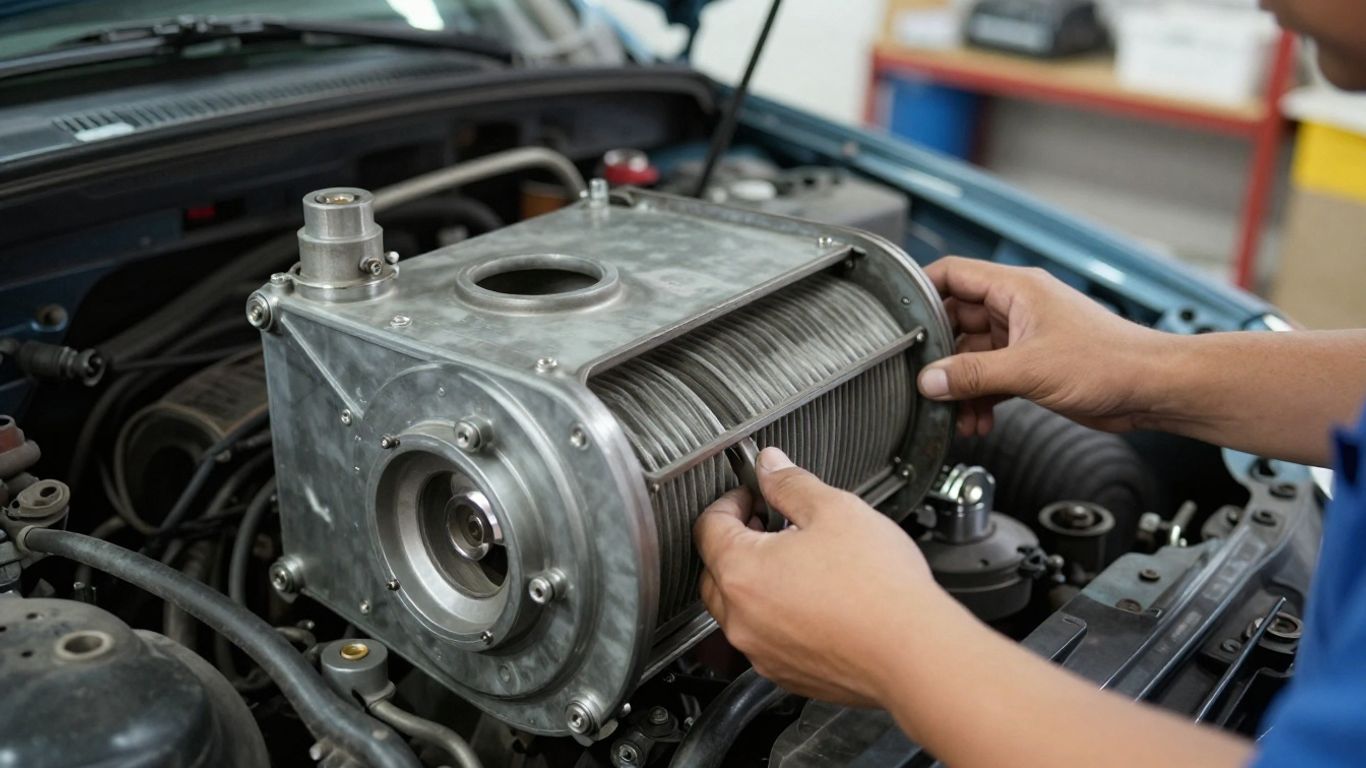
Adhering to the manufacturer recommended schedule
Most service manuals provide a base mileage interval for filter replacements, usually centered around standard driving patterns. While these milestones are a great starting point, they should be viewed as broad guidelines rather than absolute truth. Your driving history and specific engine configuration may dictate a more frequent replacement cycle.
Recognizing symptoms of a clogged filter
Drivers may notice a sluggish response or a noticeable lag when attempting to accelerate. Other signs include an illuminated check engine light or even a slight change in the exhaust note under heavy acceleration. These symptoms often signify that the intake system is no longer moving enough air to support standard power demands.
Evaluating the impact of regional driving conditions
Variables such as frequent travel on unpaved roads or residing in high-pollution areas accelerate the collection of debris. If your daily commute involves construction zones or high-traffic dust paths, you should check the part much earlier than the book recommends. Adjusting your service internal to your reality is a smart way to protect your engine’s long-term health.
Inspecting the filter element for visual signs of debris
Physical inspection remains the most accurate diagnostic method for assessing a filter’s condition. You should pull the filter and inspect the pleats for excessive gray or black buildup that blocks the passage of light. If the material looks clogged, brittle, or contaminated with heavy debris, it has completed its primary duty and deserves an immediate swap.
Choosing the right air filter for your Audi
Selecting a replacement involves more than just picking the cheapest box on the shelf. The compatibility of the filter with your specific intake housing is paramount to both protection and fitment. Understanding how different materials impact flow and filtration will help you make a better decision for your vehicle’s needs.
Weighing OEM versus aftermarket options
Deciding between factory-specified parts and third-party alternatives involves balancing cost against engineering standards. OEM options are explicitly designed to match the specific air-flow characteristics of your intake tract, ensuring a perfect seal every time. Aftermarket options sometimes offer slight variations in flow, but fitment and material quality can vary significantly between brands.
Comparing performance filters and standard paper filters
Standard paper variants are designed to provide the highest level of particulate trapping efficiency for everyday driving. Performance filters, conversely, often use oiled cotton or synthetic materials that trade a bit of filtration capacity for slightly improved airflow volume. For most road drivers, standard paper provides the perfect balance of engine safety and reliability.
Verifying compatibility for specific model years and chassis
Even within the same model name, intake designs often shift between different engines and production years. You should always use your vehicle’s identification number to cross-reference parts availability before purchasing. Getting the wrong size might lead to an improper seal, which allows unfiltered air to bypass the filter and damage the engine.
Selecting filters based on specialized driving needs
| Filter Type | Best For | Benefit |
|---|---|---|
| Standard Paper | Commuting | Maximum filtration |
| High Flow | Track use | Increased air volume |
| Synthetic OEM | All-round | Perfect seal fitment |
Selecting the right component involves balancing your primary driving environment with your performance goals. Daily highway drivers benefit most from the high filtration efficiency of standard parts, while those who push their engines harder might look for specialized synthetic materials. Always confirm that your chosen part is backed by the manufacturer for your specific air box style.
Tools and preparation for the task
Preparing your workspace is the first step toward a successful DIY maintenance job. Having everything you need ready on a flat surface avoids unnecessary frustration while you are deep in the middle of the engine bay. A tidy setup allows you to focus on the technical details rather than searching for lost items.
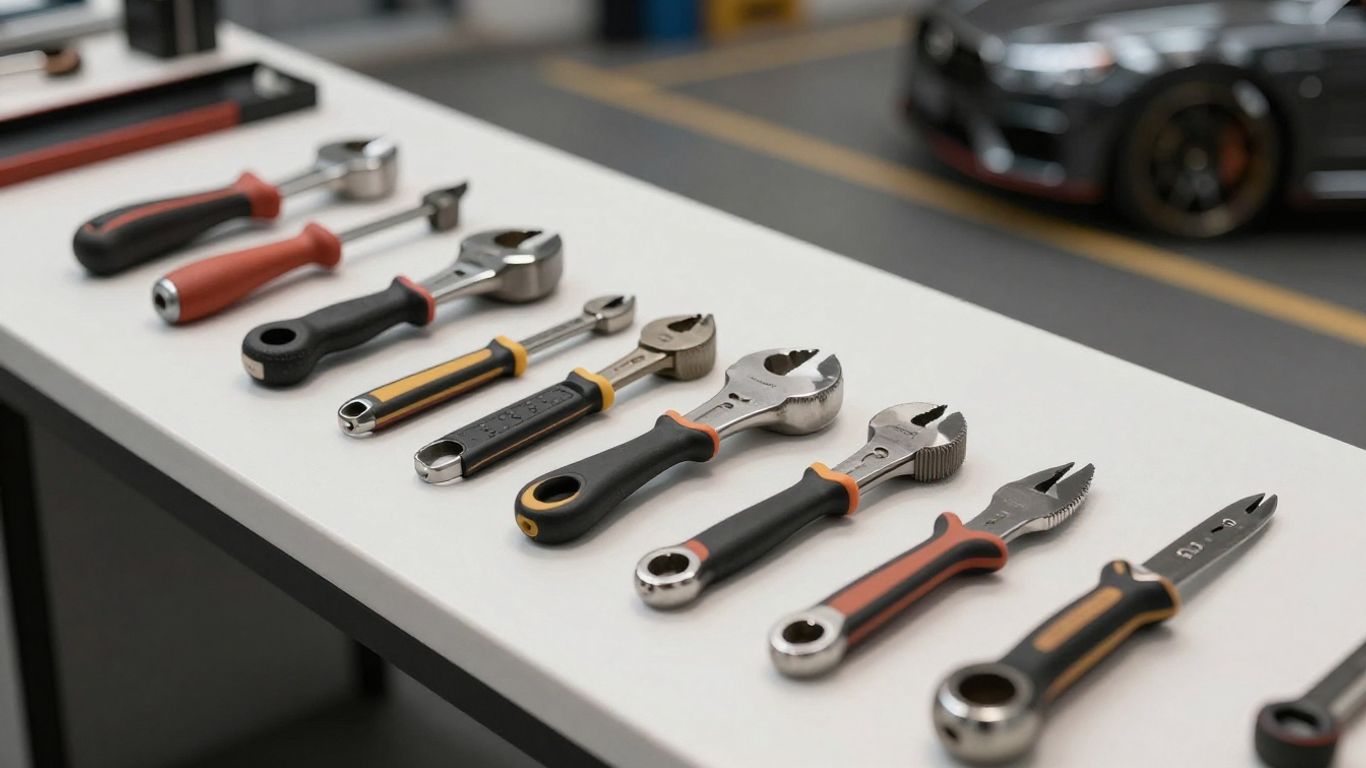
Preparing the necessary hand tools for housing removal
Most modern air boxes are secured using simple fasteners like clips or Torx screws that come off easily with basic kit pieces. Having a medium-duty screwdriver and a proper bit set handy will prevent stripping the plastic housing. Being prepared with these tools ensures that the process proceeds without damaging the hardware of your car.
Establishing a clean and organized workspace
- Ensure you have a flat, lit surface to lay out your tools.
- Place a towel over any nearby painted surfaces to prevent scratches.
- Have a shop vacuum ready to clear loose dirt from the tray.
- Organize all removed fasteners in a cup to prevent losses.
Managing these steps ensures that nothing is overlooked. A structured environment makes the mechanical side of the task feel much more approachable and keeps the engine bay free of stray parts or tools.
Safety precautions for engine bay maintenance
Safety always starts with ensuring the car is completely powered down and the engine is cool to the touch. Heat from the motor can quickly cause burns, making it vital to wait for a natural cooldown period. Additionally, verify that no loose clothing or jewelry can get snagged while you are working in tight spaces.
Techniques for cleaning the air box housing during replacement
Before you drop in the new filter, use a soft rag or vacuum to remove large debris from the bottom of the tray. Any dust allowed to remain under the filter will be immediately sucked toward the engine once you restart the car. Wiping the sealing surfaces ensures the new unit sits perfectly flush against the housing edge.
Step-by-step installation process
Following a logical procedure turns this task from a potential headache into a routine chore that you can complete in minutes. Precision is key during the seating phase, as a poor fitment can negate the entire purpose of installing a fresh unit. Keep the area clean throughout the process to maintain the integrity of your intake system.
Locating and accessing the air intake housing
The air box is typically a large, usually black, plastic assembly located near the front or side of the engine bay. Look for the thick black tubing that leads directly to the intake manifold, as the air box will be positioned at the start of that path. Once identified, release the clips or unscrew the perimeter fasteners to gain entry to the filter compartment.
Safely removing the old filter element
Lift the lid carefully to avoid putting excessive tension on any sensitive attached vacuum or sensor wires. Pull the old element out slowly, taking care to observe how it sits in the tray to understand the orientation of the seal. If it is stuck, give it a gentle wiggle rather than pulling sharply, as you want to avoid dislodging any accumulated grit into the path.
Cleaning debris from the bottom of the filter tray
Use the opportunity to clean the now-exposed area beneath where the filter usually sits. Often, leaves, sand, and other road detritus settle in the low corners of the tray, which can restrict airflow if ignored. Using a vacuum is the most effective way to reach deep into these corners and ensure the surface is pristine for the upcoming install.
Properly seating the new filter and securing the cover
Drop the new filter into the housing, ensuring the rubber seal is seated perfectly into the groove along the edge. Once it is level, replace the cover and ensure all clips or screws snap or tighten evenly to apply uniform pressure. Double-check that the cover is airtight, as any gaps could cause unfiltered air to enter, which is contrary to maintaining factory-rated horsepower.
Cabin air filter versus engine air filter
It is common, but incorrect, to assume both cabin and engine filters require the same handling, as they serve completely different masters. The cabin filter keeps your air breathable while the engine filter ensures the combustion chamber doesn’t get flooded with dust. Understanding the 2024 Audi Q5 maintenance needs will keep both your lungs and your pistons happy.
Understanding the fundamental differences in purpose
While both act as barriers to contaminants, the engine filter is built to handle much coarser debris like stones and heavy dust, whereas the cabin unit is designed for finer elements like pollen and smells. Because of this, the materials used in the cabin filter are often electrostatically charged to attract smaller allergens. They are not interchangeable parts and have vastly different operating roles.
Establishing separate replacement schedules for cabin filters
Cabin filters often saturate at a different rate because they handle incoming air from outside while you are stationary in traffic, whereas the engine filter works harder under higher RPMs. You should view the cabin filter as a comfort-focused service item, whereas the engine filter is a strictly performance-based one. Check both at different intervals to ensure optimal cabin and engine performance.
Locating the internal cabin filtration compartment
The internal cabin filter is usually tucked beneath the glove box or behind the cowl on the passenger side. Accessing this requires different tools and a more delicate touch compared to the engine mountings. Consult your owner’s manual for specific instructions, or follow an Audi Q5 cabin filter guide for tips on how to handle the glove box release.
Addressing common challenges in cabin filter maintenance
The biggest challenge is usually reaching the cramped space under the dashboard without causing damage to surrounding trim panels. Be prepared to contort your body and use small tools to manage tight clips. If you want to visualize how to access these hard-to-reach spots, an instructional video can provide clear perspectives on the removal process.
Conclusion
Taking charge of your own routine vehicle maintenance is an excellent way to connect with your machine while ensuring every service task is completed to your personal standard of quality. Whether you are swapping an engine air filter to preserve performance or replacing a cabin filter to freshen your commute, these simple steps provide the foundation for long-term vehicle reliability. By adhering to a consistent, context-aware service schedule, you safeguard your investment and enjoy the engineering excellence that defines the brand experience every time you take the wheel.
Frequently Asked Questions
Can I clean and reuse my original paper air filter?
No, you cannot safely reuse a standard paper air filter. Once the fibers are embedded with dust and debris, washing or blowing them out with compressed air will likely damage the filter material and create holes that allow unfiltered air to enter your engine.
How often should I check the air filter if I drive daily in the city?
For heavy city driving, check your intake filter at least every 6,000 to 8,000 miles. Urban stop-and-go traffic involves significant exposure to airborne pollutants and road dust, which can clog modern filters faster than expected mileage intervals.
Will an aftermarket performance filter improve my fuel economy?
Performance filters are generally designed to increase airflow, but they rarely offer a measurable jump in fuel economy for a stock engine. Their primary value lies in potentially better throttle response or durability in high-performance situations, rather than fuel saving.
Do I need to use professional tools to replace these filters?
No, you do not need professional-grade diagnostic or mechanical tools for this maintenance. Standard household items like a screwdriver set, a low-powered shop vacuum, and a clean towel are typically all that is required for a successful DIY replacement.
What happens if I don’t replace a clogged air filter on time?
Ignoring a clogged filter eventually forces the engine to run with restricted oxygen, which causes sluggish acceleration, reduced fuel efficiency, and potentially high exhaust gas temperatures. In extreme cases, the pressure caused by the restriction can lead the filter material to fail.
Is it normal to find dead insects inside the air box housing?
Finding small debris, dead insects, and tree particles in the bottom of the air box tray is completely normal after several thousand miles of driving. This area acts as a collection point, which is why vacuuming the lower tray during every filter change is a critical step in keeping the intake healthy.
Should I use lubricants on the air box seals during reassembly?
No, you should never apply lubricants or grease to the rubber seals of a new air filter. The seals are designed to stay dry and grip the plastic housing to create an airtight connection; adding lubricants can cause the filter to slip and create gaps that bypass the filtration process.