

Key Takeaways
The right replacement part depends on more than the vehicle’s make. Confirming fit, condition, and seller terms helps make a repair decision with fewer surprises.
- Audi spares range from routine wear items to major mechanical and electronic components.
- Genuine, OEM, aftermarket, used, refurbished, and remanufactured parts are different options, not interchangeable labels.
- Model year, trim, and vehicle identification details can affect fitment.
- Price matters, but so do condition, warranty coverage, and return options.
- Check the part number and confirm compatibility with a knowledgeable seller before ordering.
1. What Audi spares are and how they’re categorized
Audi spares are replacement components used to maintain or repair a vehicle. They can be grouped by the system they serve, by how quickly they wear, or by whether they are new, used, or reconditioned. Understanding audi spares Part Types & Benefits starts with knowing which of those distinctions matters for the repair at hand.
Parts by vehicle system, from engine to electronics
A car’s parts work across several connected systems, so the first useful distinction is where a component belongs. Engine, transmission, braking, suspension, electrical, and exhaust parts all serve different purposes, and the repair may depend on identifying the affected system correctly. A broader Audi parts overview can help readers recognize the range of components involved.
This table gives a basic orientation; it is not a substitute for confirming the exact component needed.
| Vehicle system | Examples of parts | Typical role |
|---|---|---|
| Engine | Belts, sensors, gaskets | Supports engine operation |
| Brakes | Pads, rotors, calipers | Helps slow or stop the vehicle |
| Suspension | Struts, control arms, bushings | Supports ride and handling |
| Electrical | Battery, wiring, switches | Supplies or controls electrical functions |
A symptom can involve more than one system, so avoid ordering a part based only on a warning light or a noise. A repair professional or parts supplier can help narrow down the component after the problem has been diagnosed.
Wear-and-tear items versus replacement components
Some parts are expected to wear through normal use and are replaced as maintenance; brake pads and filters are familiar examples. Other components may last much longer and are changed only after damage, failure, or a specific repair need. That distinction can help set expectations, but inspection and vehicle maintenance history are still more useful than assuming a part is due based on its category alone.
Audi model, year, and trim differences
A part that fits one vehicle may not fit another, even when the model names seem similar. Production year, engine, body style, trim, and installed equipment can all affect the correct specification. When in doubt, use the vehicle identification number (VIN) and the existing part number as starting points rather than relying on a broad model description.
2. Genuine Audi parts and OEM components
Genuine parts, OEM components, and aftermarket replacements are often discussed together, but the labels do not mean exactly the same thing. A buyer should check how a seller defines each term and what evidence supports the description. The right choice depends on the repair, the required specification, and the part’s verified fit.

What genuine Audi parts include
Genuine parts are sold as parts for the vehicle brand, while the specific packaging, sourcing, and warranty terms depend on the seller and part. Confirm that the item is described accurately and matches the application, rather than assuming the word “genuine” alone proves compatibility. A guide to genuine and aftermarket parts can offer another perspective on comparing those categories.
How OEM parts differ from branded genuine parts
OEM refers to original equipment manufacturer, but sellers may use the term differently, so it is worth asking who made the component and what “OEM” means in that listing. A genuine-branded part and an OEM-described part may not have the same branding or sale channel, even if both are intended to meet a relevant specification. For a closer look at the distinction, see this OEM parts comparison.
When factory-spec components are a good fit
A factory-spec replacement can be a sensible choice when the repair calls for a close match to the original specification or when the owner prefers that route. Confirm the part number and application before purchase, especially if the vehicle has options or revisions that vary by year. A guide to OEM Audi components covers considerations around fit and replacement choices.
3. Aftermarket Audi spares
Aftermarket parts are made for replacement use outside the vehicle’s original branded parts channel. Their quality, fit, price, and warranty can vary by manufacturer and item, so the label is a starting point for research rather than a guarantee. For some repairs, comparing an aftermarket option with other available parts can make sense.
Types of aftermarket parts and who makes them
Aftermarket spares may include routine service items as well as mechanical, body, or electrical components. They are produced by manufacturers other than the vehicle brand’s parts channel, and different makers may have different specifications and quality controls. Ask for the maker, part number, and any available documentation before treating two similarly named items as equivalent.
Potential benefits, including price and availability
A non-genuine part may offer a lower quoted price or be easier to source, depending on the component and location. Availability can also differ between suppliers, so compare the full cost and expected delivery time rather than the sticker price alone. An aftermarket replacement is only a useful alternative if its fit and application are verified.
Quality checks and warranty considerations
Before buying, review the listing details and ask what the warranty actually covers. Check whether it applies to the part only, how long it lasts, and what proof is needed if there is a problem. Fitment confirmation matters as much as a low price: an incorrectly selected part can add delays and expense even if it was inexpensive to purchase.
4. Used, refurbished, and remanufactured parts
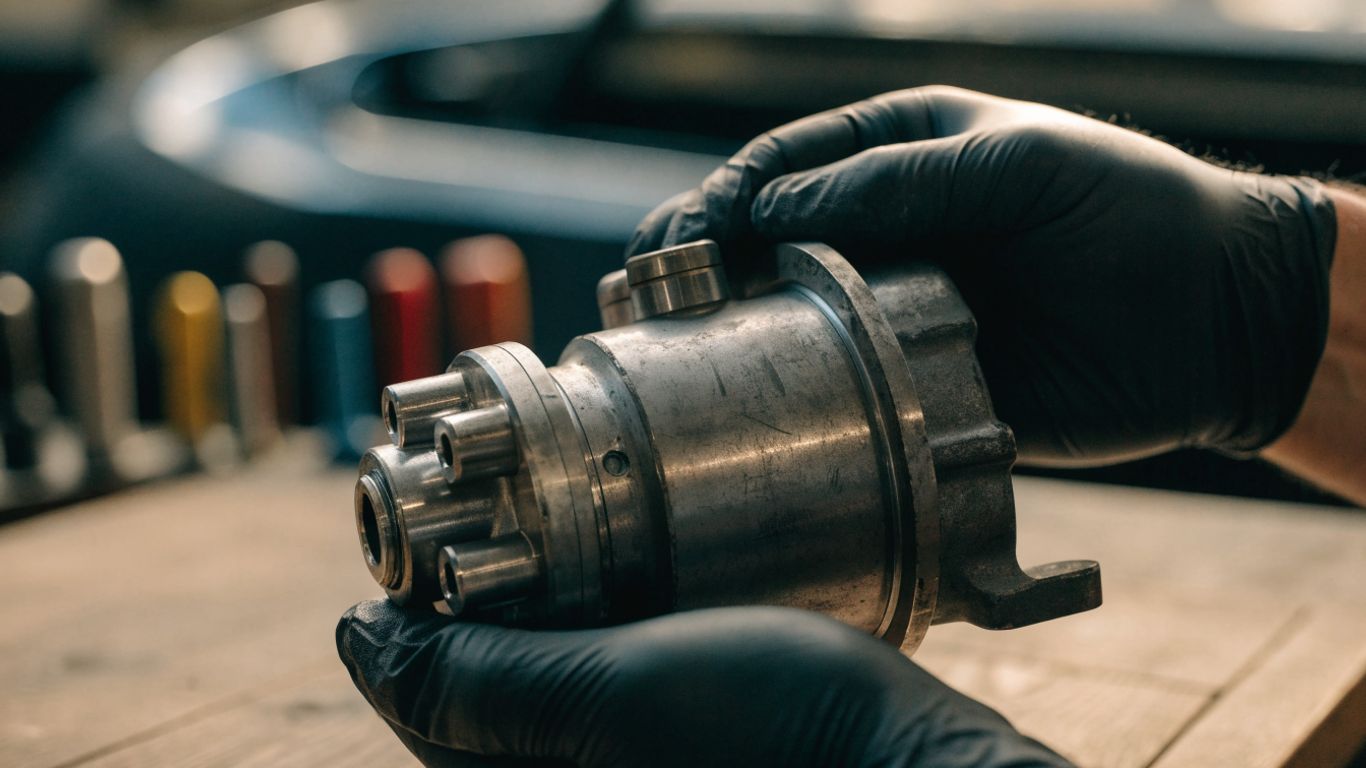
Used, refurbished, and remanufactured parts can provide alternatives to a new component, but the terms describe different conditions and processes. Sellers may use them in different ways, so ask what work has been done and what testing or warranty comes with the item. A clear description makes it easier to compare the options fairly.
How used parts differ from refurbished components
A used part has been removed from a vehicle and may be sold in its existing condition, subject to the seller’s description. A refurbished component has generally received some form of repair or restoration, but the extent of that work can vary. Ask about its source, visible wear, testing, and return terms before deciding whether the condition suits the repair.
What remanufacturing involves
Remanufacturing generally means a component has been taken apart and restored through a defined process, but the work performed depends on the part and the seller. Do not assume every internal component has been replaced or that every unit has undergone the same tests. Request details of the process and any written warranty so you know what is being offered.
When these options may suit a repair
A used or reconditioned part may be worth considering when a suitable new item is costly or difficult to find, particularly if the seller can confirm the part’s history and condition. The decision should account for the consequences of another failure, not just the purchase price. For safety-critical or complex parts, ask a qualified repair professional whether a particular option is appropriate.
5. Benefits of choosing the right Audi spares
A suitable part can help a repair go smoothly, while the wrong one may bring extra labour, delays, or another trip to the supplier. The best choice is not automatically the newest or least expensive option. It is the component that fits the vehicle, meets the repair need, and comes with terms the buyer understands.
Supporting fit, function, and vehicle performance
Correct fitment allows a component to be installed as intended and work with the surrounding parts. That matters for everything from simple maintenance items to components tied to vehicle systems. Matching the part to the application, and having the repair diagnosed properly, reduces the chance of choosing something that only appears suitable in a broad listing.
Managing repair costs and part availability
Cost comparison is more useful when it includes shipping, installation, expected wait time, and warranty terms. A lower initial price may not be the most economical choice if a mismatch leads to returns or repeat labour. Check more than one source when practical, but compare like with like: the part’s condition, specification, and included support should all be clear.
Protecting reliability and resale value
Keeping records of repairs and retaining invoices can help explain what was replaced and when. Buyers and future technicians may find that history useful, especially when a repair involved a major component. Choosing a suitable part and documenting the work supports a clearer ownership record, though no part choice can guarantee a particular resale price or future reliability.
6. How to choose and verify compatible parts
Careful part selection begins with identifying the vehicle and understanding the repair, then checking the details of the item being offered. A seller’s confident fitment claim is useful only when it is tied to the correct vehicle information and part specification. Taking a few minutes to verify those details can prevent avoidable returns.
Find the vehicle identification number and part number
The VIN identifies the vehicle and can help a supplier check an application, while the number on the existing component may offer another useful reference. Make sure any digits or letters are copied accurately, and share the full vehicle details when asking about fit. If a part number has been superseded or replaced, ask the supplier to confirm that the new number applies to your vehicle.
A short preparation list can make a supplier conversation more productive:
- Record the full VIN and vehicle year.
- Note the model, engine, trim, and body style.
- Photograph the existing component and its markings, if accessible.
- Describe the repair or confirmed fault rather than guessing at a part.
These details help narrow a search, but they do not replace a fitment confirmation. If there is any uncertainty, ask the seller to confirm the match in writing before ordering.
Check fitment across model years and trims
Do not assume that parts are interchangeable just because two vehicles share a name or look alike. Mid-year changes, engine variations, and optional equipment can affect compatibility. A supplier can use the VIN and part number to help check the application; a repair professional can also verify whether the component suits the specific job.
Compare warranties, seller details, and return policies
Read the warranty and return policy before payment, and check who is responsible for return shipping if the part is wrong or defective. Confirm whether the item is new, used, refurbished, or remanufactured, and make sure the description matches what will be shipped. A careful buyer’s habit of checking scope, timing, and terms is useful across many decisions, from habit-change strategies and KiwiSaver fund choices to immigration appeal steps, Maui travel planning, and dental inventory decisions. For Audi repair questions beyond parts selection, this maintenance and repair guide offers related context.
Conclusion
Choosing Audi spares is a matter of matching the right component to the vehicle and repair, then weighing condition, cost, availability, and seller terms. Whether the part is genuine, aftermarket, used, or remanufactured, verify its application before buying and keep a record of the work. Those simple checks make it easier to choose with confidence and avoid preventable surprises.
Frequently Asked Questions
What are Audi spares?
Audi spares are parts used to maintain or repair Audi vehicles, ranging from routine service items to components for mechanical, electrical, and other vehicle systems.
Are genuine parts and OEM parts the same?
Not necessarily. The terms can refer to different branding or supply arrangements, and sellers may use them differently, so confirm who made the part and what the listing means.
Are aftermarket parts always less expensive?
No. Prices vary by part, manufacturer, supplier, and availability. Compare the full cost, including delivery and any relevant warranty terms.
Can I use a used part for a repair?
Sometimes, depending on the component, its condition, and the repair. Ask about the part’s history, testing, return options, and warranty, and consult a qualified repair professional if suitability is unclear.
What does remanufactured mean?
It generally describes a component that has been disassembled and restored through a process, but the work and testing can vary. Ask the seller what was done and what coverage is provided.
How can I check whether a part fits my vehicle?
Use the VIN and, when available, the number on the existing component. Have the supplier confirm the application for the vehicle’s year, model, engine, and trim before ordering.
What should I check before ordering a replacement part?
Confirm the part’s condition and compatibility, identify the seller, and read the warranty and return policy. Keep the order details and repair records for reference.