

Key Takeaways
A cooling-system fault can begin with a small leak and end with serious engine damage if it is ignored. Knowing the warning signs helps you decide when to inspect the car and when to stop driving.
- Watch for dried coolant residue, sweet odors, changing heater output, and unusual noises.
- A low reservoir level does not always reveal where coolant is escaping.
- Pressure testing and scan data can help separate pump faults from thermostat or hose problems.
- Never open a hot coolant reservoir, and stop driving if the temperature continues to rise.
- Replacement cost depends on the failed component, access, parts selected, and related work needed.
How the Audi cooling system works
An internal-combustion engine produces more heat than it can safely tolerate without controlled circulation. The cooling system moves heat away from the engine, transfers it through the radiator, and uses the cabin heater as another small heat exchanger. Understanding that path makes the early signs of Audi water pump failure easier to interpret.
The water pump’s role in engine temperature control
The water pump circulates coolant through passages in the engine and cylinder head, then onward to the radiator when the system calls for cooling. If its impeller cannot move enough coolant, heat can build unevenly even while the reservoir still appears reasonably full. A leaking seal can create a problem before circulation is affected dramatically.
The pump is therefore more than a simple on-or-off part. Its condition affects temperature stability, heater performance, and the system’s ability to shed heat during traffic, climbing, or warm weather. A technician should consider both circulation and leakage when assessing symptoms.
How the thermostat and radiator work together
The thermostat regulates when coolant flows through the radiator. While the engine is cold, it restricts that route so the engine can reach operating temperature; once warm, it opens progressively and allows the radiator to remove heat. The radiator then releases that heat through its fins as air passes across them.
A thermostat stuck closed can resemble a pump problem because the temperature rises quickly. A thermostat stuck open may cause slow warm-up and weak cabin heat instead. The radiator, fan, cap, hoses, and coolant level all influence the same temperature reading, so replacing a pump without checking the wider system can miss the real fault.
Mechanical versus electric water pumps
A mechanical pump is driven by the engine, commonly through a belt or another mechanical drive. Its speed changes with engine speed, and a failed bearing, seal, or impeller can affect circulation and create noise. An electric pump uses an electric motor and can be controlled independently of engine speed, depending on the vehicle’s design.
The distinction matters during diagnosis. A mechanical pump may show belt, bearing, or pulley symptoms, while an electric unit may require electrical checks, command testing, or scan data. The correct procedure depends on the engine and the pump fitted to that particular vehicle.
Why Audi engines may use integrated pump and thermostat assemblies
Some modern engines package the water pump, thermostat, housing, valves, and seals into a compact cooling module. That arrangement can save space and allow coordinated temperature control, but it also means a leak may appear to come from a larger assembly rather than one obvious component.
The repair decision should follow the failed part and the manufacturer’s service procedure. A housing leak is not automatically proof that the impeller or motor has failed, and a pump fault does not automatically mean every nearby component must be replaced. Careful identification avoids both under-repair and unnecessary parts.
Early symptoms of Audi water pump failure
Cooling-system problems rarely announce themselves in a convenient way. A driver may first notice a faint odor, a spot on the driveway, or a reservoir level that drops between checks. These clues deserve attention even when the temperature gauge still looks normal.
Coolant leaks and dried coolant residue
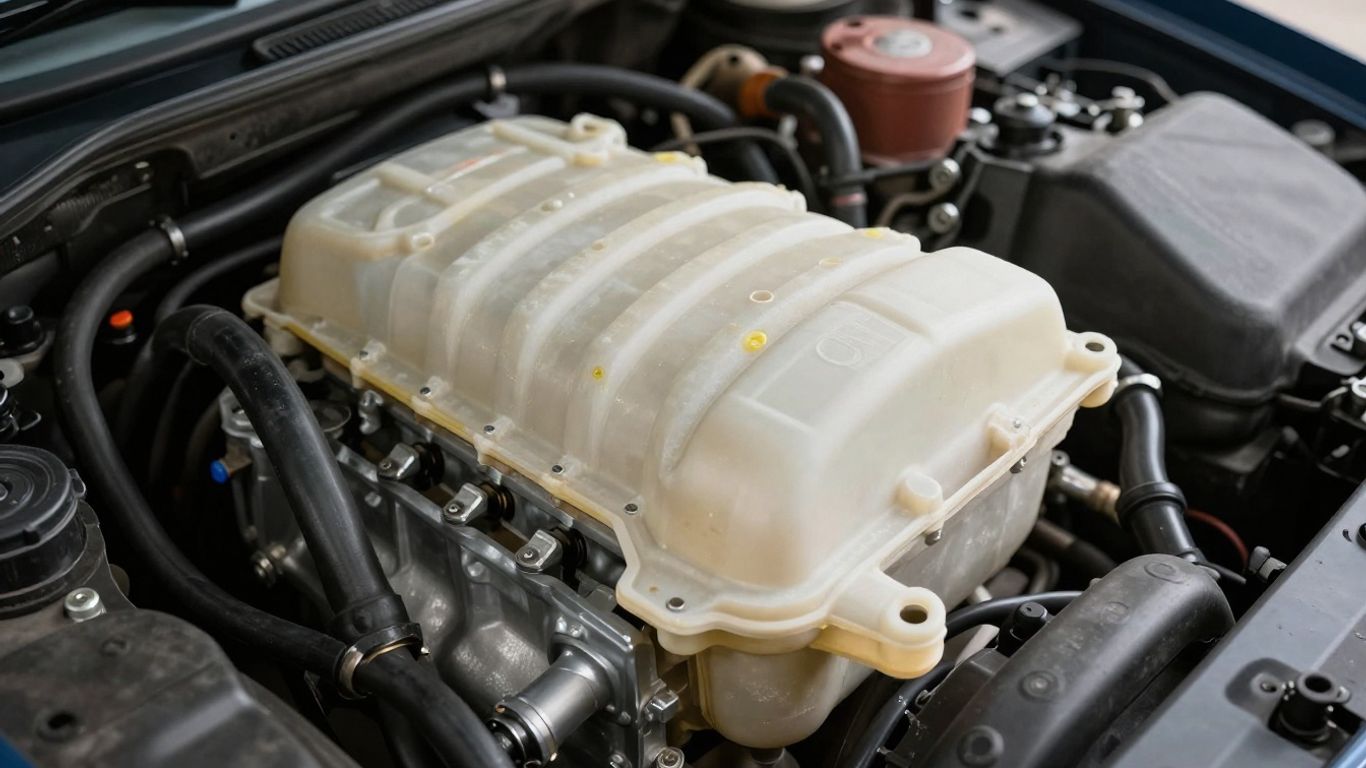
Coolant can escape at a seal, housing joint, flange, hose connection, or the pump itself. After it dries, it may leave a crusty or chalky trail around the leak point, often more visible after the engine has cooled. A sweet smell near the front of the car or inside the engine bay is another useful clue.
A clean-looking garage does not rule out a leak. Coolant may evaporate on hot surfaces, collect behind covers, or leak only under pressure while driving. Photographing residue before cleaning it can help a technician locate the source.
Overheating warnings and rising temperature readings
A warning message, rising gauge, or temperature alert should be treated as a real fault rather than an inconvenience. The reading may rise during a long climb, in slow traffic, or shortly after a leak has reduced the coolant level. Continued heat can affect gaskets, cylinder heads, lubrication, and other expensive components.
Some problems develop gradually, while others become severe with little notice. If the reading moves beyond its normal position or a warning appears, reduce the load on the engine and find a safe place to stop. Do not wait for visible steam before taking action.
Low coolant levels without an obvious leak
A reservoir that repeatedly falls below its usual mark indicates that coolant is leaving the system or being displaced by another fault. The leak may be internal to a housing, hidden beneath a cover, or small enough to appear only after heat soak. Topping up may temporarily restore the level, but it does not repair the cause.
Check the level only when the engine is fully cool and use the correct procedure for the vehicle. Marking the level and recording the date can reveal a slow pattern that a single glance would miss. If the level drops again, arrange a proper inspection rather than continuing to refill indefinitely.
Heater performance changes and unusual engine-bay noises
The cabin heater depends on hot coolant flowing through its heater core. Weak heat, heat that changes with engine speed, or sudden cool air during a warm drive can point to low coolant or poor circulation, although the heater controls themselves can also fail. Gurgling may suggest air in the system.
A whining, grinding, or rattling sound near the pump area deserves attention, especially when paired with residue or temperature changes. Noise alone is not conclusive, but it can help narrow the inspection. A failing bearing may become louder as the engine warms.
Common causes of water pump failure
A water pump can fail because of wear, contamination, cracking, a defective seal, or a problem in an integrated module. The exact failure pattern varies by engine, production year, mileage, and service history. Avoid assuming that every vehicle with the same badge has the same pump design.
Worn bearings, seals, and impellers
Bearings support the rotating portion of a mechanical pump, while seals keep coolant inside the intended passages. With time, bearing play can create noise and shaft movement, and a damaged seal can allow coolant to escape. An impeller may also erode, crack, or separate from its shaft, reducing circulation.
Coolant condition matters because contamination and incorrect mixtures can accelerate wear. A pump that still turns is not necessarily pumping effectively. Diagnosis should consider leakage, shaft condition, flow, and temperature behavior together.
Cracked plastic housings and coolant flanges
Plastic housings and flanges are exposed to repeated heating and cooling. They can become brittle, distort at a sealing surface, or develop a crack that opens only when the system is hot and pressurized. Residue around a joint may be the only visible evidence.
Replacing a seal without checking the mating housing can lead to a repeat leak. The technician should inspect mounting surfaces, clips, fasteners, and nearby hoses for stress or damage. A clean repair depends on finding the actual leak path, not just the wettest point.
Defective thermostat housing assemblies
When the thermostat and pump share a housing or module, a failure in one part can produce symptoms associated with the other. A stuck thermostat changes coolant flow, while a cracked assembly can lower system pressure and coolant volume. The result may be slow warm-up, overheating, or an intermittent warning.
The component should be tested according to the vehicle’s design rather than diagnosed by symptom alone. In some cases the service procedure calls for the complete assembly; in others, individual components may be available. The parts catalog and repair instructions matter here.
Age, mileage, heat cycles, and maintenance history
Repeated heat cycles gradually stress seals, housings, hoses, and fasteners. Higher mileage increases the chance of bearing wear, but calendar age matters too, particularly for rubber and plastic components. Previous overheating can further weaken parts that might otherwise have lasted longer.
Maintenance records help establish whether the system has received the right coolant, been opened for prior repairs, or suffered an earlier leak. They also help a shop decide which related parts deserve closer inspection. A sensible repair plan is based on evidence, not an arbitrary mileage promise.
How to diagnose an Audi water pump problem
Diagnosis begins with confirming the complaint and documenting the conditions under which it occurs. A technician should inspect the system cold, observe it at operating temperature, and avoid replacing parts solely because a symptom sounds familiar. The goal is to identify the failed component and rule out nearby causes.
Checking coolant levels and visible leak points
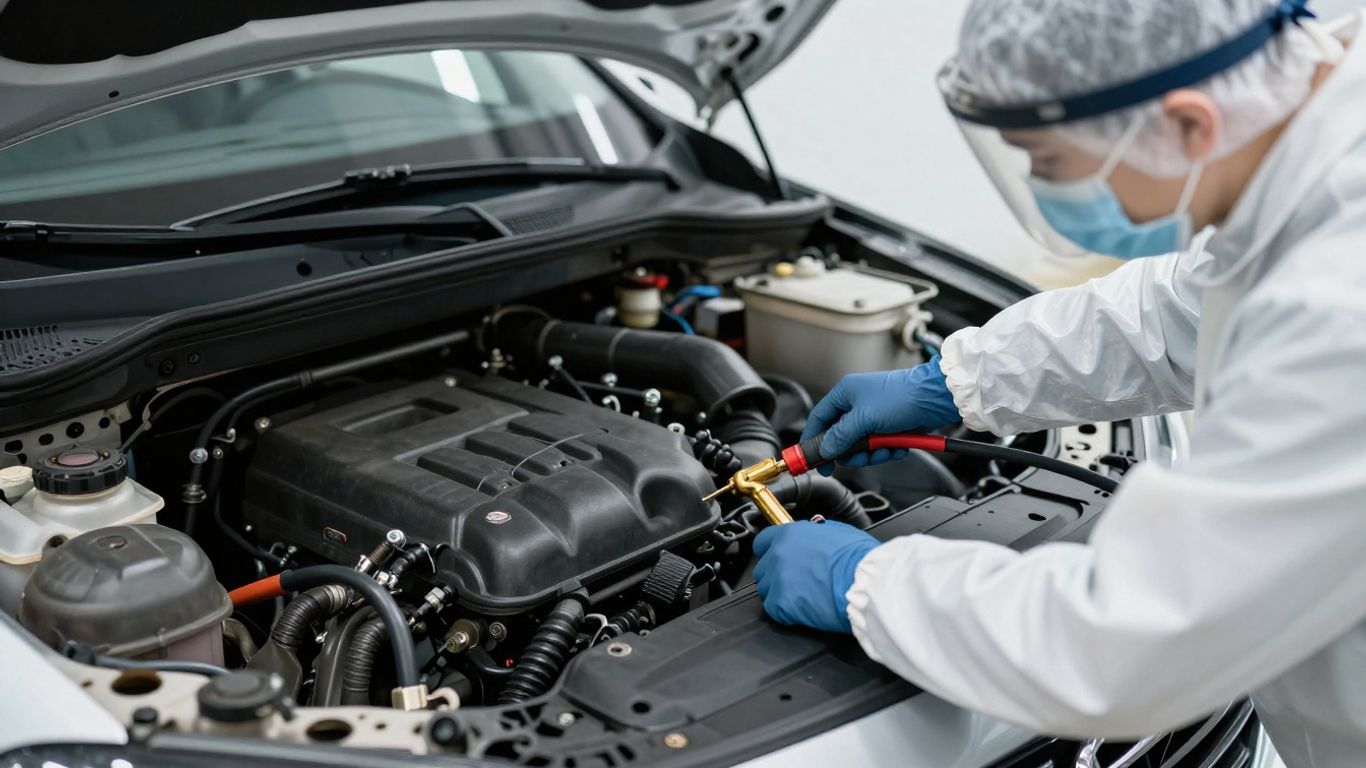
The first inspection includes the reservoir, hoses, flanges, radiator, pump area, thermostat housing, and the underside of covers where coolant can collect. Dried residue, staining, dampness, and a sweet odor can point toward a leak. The level should be evaluated cold and compared with the vehicle’s specified range.
A bright inspection light and a clean engine bay can make a slow leak easier to trace. However, cleaning should not happen before evidence is documented. A leak that disappears when the engine cools may still be active under normal operating pressure.
Performing a cooling-system pressure test
A pressure test applies controlled pressure to a cool cooling system and checks whether it holds. If pressure falls, the technician can inspect for external leakage; in some cases, the test makes a small seep visible at a joint or housing. The test must use appropriate equipment and pressure limits.
Pressure testing is especially useful when the reservoir level drops but no puddle appears. It does not, by itself, prove that the pump is defective, because hoses, radiators, caps, and housings can also leak. Results need to be interpreted alongside visual inspection and temperature behavior.
Using diagnostic trouble codes and scan data
Electronic cooling systems may store diagnostic trouble codes when a sensor reading, pump command, or temperature response falls outside expected behavior. Scan data can show coolant temperature changes, fan requests, and other values that are not visible on the dashboard. These readings can reveal an intermittent fault.
Codes are clues rather than final verdicts. A sensor or wiring problem may create a temperature-related code without a failed pump, while a mechanical leak may exist without a useful code. Testing the component and its circuit remains necessary.
Distinguishing water pump failure from other cooling-system faults
Several faults can produce overheating, weak heat, or coolant loss. Comparing the symptom pattern helps organize the inspection, but only testing can confirm the cause. A practical reference looks like this:
| Symptom or finding | Possible direction | Useful next check |
|---|---|---|
| Coolant residue near a housing | Seal, flange, or housing leak | Pressure test and close visual inspection |
| Temperature rises quickly | Low flow, thermostat issue, or low coolant | Check level, circulation, and thermostat behavior |
| Weak cabin heat | Low coolant or air in the system | Verify level and bleed procedure |
| Noise near the pump | Bearing or drive-related wear | Inspect pump play, belt, and surrounding components |
The table is only a starting point because more than one fault can be present. A technician should also consider the radiator fan, cap, hoses, sensors, trapped air, and possible internal engine leakage. For model-specific background, an EA839 water pump guide discusses one reported failure mechanism, but it should not replace inspection of the individual vehicle.
What to do when the engine overheats
An overheating warning changes the priority from diagnosis to safety. The immediate objective is to reduce heat and avoid creating a roadside hazard, not to reach the destination at all costs. The safest choice depends on the warning, traffic, location, and how quickly the temperature is changing.
Safe steps to take while driving
If the temperature begins to rise, turn off the air conditioner and reduce engine load. Move toward a safe place to stop without making abrupt maneuvers, and watch for steam, warning messages, or a loss of power. If traffic conditions make stopping dangerous, use hazard lights as appropriate and seek the nearest safe shoulder or exit.
Once stopped, switch off the engine if the warning persists or the temperature continues upward. Keep people away from steam and moving fans. These simple steps can prevent a manageable cooling fault from becoming a damaged engine.
When to shut down the engine and call for assistance
Stop and request assistance when the temperature reaches the warning zone, steam appears, coolant is visibly leaking, or the engine runs roughly after the alert. A vehicle that loses coolant can overheat again within minutes, even after a brief cool-down. Do not rely on adding water at the roadside as a substitute for diagnosis.
If the warning clears after stopping, that is not proof the fault is gone. Arrange transport or a professional inspection, particularly if the reservoir is low or the system has leaked. Restarting should be limited to situations where it is clearly safe and necessary to move out of immediate danger.
Why opening the coolant reservoir while hot is dangerous
A hot cooling system is pressurized. Removing the reservoir cap can release scalding coolant and vapor, causing severe burns to hands, face, or nearby skin. Wait until the engine is fully cool before checking the level or attempting any repair.
Do not lean over the reservoir or place a hand near escaping steam. If the vehicle is on the roadside, calling for assistance is safer than trying to relieve pressure yourself. The cap and surrounding parts may remain hot long after the warning first appears.
How continued driving can cause expensive engine damage
Driving while overheated can warp sealing surfaces, damage a head gasket, degrade oil, or distort engine components. The risk increases when coolant circulation is poor because some areas may become much hotter than the gauge suggests. A short trip that feels harmless can turn a pump replacement into major engine work.
For that reason, stop before damage compounds rather than treating the warning as a reminder to schedule service later. The cost of recovery is usually easier to control than the cost of repairing heat-related engine damage.
The video placeholder can supplement a written explanation of warning signs, but visual content should never encourage a driver to work on a hot system. Use it as general education and follow the service information for the exact vehicle.
Audi water pump replacement options and costs
There is no single repair price for every vehicle. The estimate depends on the pump design, access, whether the thermostat is integrated, the parts selected, and the amount of coolant or surrounding hardware that must be removed. A proper quote should identify the failed part rather than use “water pump” as a broad label.
Replacing the pump alone or the complete assembly
Some designs permit replacement of the pump alone, while others are serviced as a pump-and-thermostat or housing assembly. The correct choice depends on the manufacturer’s procedure, parts availability, and the condition of the remaining components. Replacing only a failed seal may be reasonable in one design and inappropriate in another.
Ask the shop to explain what testing supports the recommendation. An itemized estimate should distinguish the pump, housing, thermostat, seals, coolant, and labor. That makes it easier to compare quotes without comparing different scopes of work.
Choosing original equipment and aftermarket parts
Original-equipment and aftermarket parts can differ in construction, supplier, included seals, warranty terms, and fitment. The least expensive part is not always the lowest-cost repair if it fails early or requires additional labor to correct. Verify compatibility by vehicle identification number and engine code.
A reputable repairer should be willing to state the part brand, warranty period, and whether the quoted price includes fresh coolant and system bleeding. The decision is ultimately about documented fit and quality, not a label alone.
Related components worth inspecting during the repair
Access to a pump can expose nearby hoses, belts, connectors, fasteners, and coolant fittings that have also experienced heat and age. Inspecting them while the system is open may prevent a second repair, although replacement should be based on condition and service requirements. Unnecessary parts can inflate the bill without improving reliability.
At minimum, the inspection should look for staining, brittle plastic, swollen rubber, damaged electrical connections, and contamination. The cooling system should also be refilled and bled correctly after the repair. Air left in the system can create new temperature and heater complaints.
Labor time, warranty coverage, and factors that affect cost
Labor varies with engine layout and access. A pump buried behind other components may require substantially more time than one mounted in an accessible position. Costs also change by region, shop rate, coolant specification, diagnostic time, and whether the repair includes a complete module.
Before authorizing work, ask what warranty applies to parts and labor and whether diagnostic charges are separate. If you are checking possible coverage or reimbursement, an Audi water pump settlement overview may provide general background; eligibility and repair coverage should be confirmed through the relevant official channel and your vehicle records.
How to prevent future cooling-system problems
Prevention cannot eliminate wear, but it can reduce the chance that a small leak becomes an overheating event. The most useful habits are consistent fluid selection, routine inspection, and quick attention to changes in level or temperature. Service records make those habits easier to maintain.
Following the correct coolant specification
Use the coolant type and mixture specified for the vehicle, and avoid mixing products unless the service information explicitly allows it. Incorrect coolant can affect corrosion protection, seals, and the behavior of the cooling system. When the system is opened, use clean equipment and follow the required bleeding procedure.
Coolant color alone is not a reliable way to identify compatibility. If the fluid is unknown or contaminated, ask a qualified technician how it should be drained, flushed, and refilled. Disposal should follow local requirements.
Inspecting hoses, belts, and connections regularly
During routine service, look for swelling, cracking, abrasion, loose clamps, staining, and brittle plastic around coolant connections. Belts and pulleys deserve attention on systems that use mechanical drive components. A small mark near a joint can be more informative than a large puddle that appears later.
Regular inspections are easier when the engine bay is reasonably clean and the previous service work is documented. Broader maintenance planning can also benefit from a motor home cost guide, though its subject is different; the same practical idea applies: account for repairs and upkeep rather than budgeting only for the initial purchase.
Monitoring coolant level and temperature changes
Check the reservoir when the engine is cold and observe whether the level remains stable between service intervals. Pay attention to changes in heater output, warm-up time, fan behavior, odor, and the temperature reading. A pattern recorded over several drives can help a technician reproduce an intermittent fault.
Do not repeatedly top up without finding the reason for coolant loss. Even a gradual drop deserves investigation before a warning appears. Early diagnosis generally gives more repair choices than an overheated engine does.
Keeping service records and addressing small leaks early
Record the date, mileage, coolant added, warning messages, and any visible residue. Save invoices and photographs, especially when a component or assembly has been replaced. This history helps identify repeat failures and clarifies what warranty or service support may apply.
The same maintenance mindset applies to other equipment: PUFFIAIR discusses care and maintenance for diffuser devices, while yacht deck maintenance covers regular upkeep in a marine setting. Those subjects are unrelated to vehicle cooling systems, but both illustrate why small maintenance observations are worth recording and acting on promptly. For lawful streaming equipment questions, legal IPTV streaming is a separate reference, and Chardonnay styles has no mechanical connection but may be useful for readers browsing broader guides.
Conclusion
Audi water pump failure is easier to manage when early clues are taken seriously. Check for leaks and changing coolant levels, use pressure testing and scan data to confirm the cause, and stop driving if the engine overheats. A repair plan based on the exact cooling-system design, documented testing, and related-component inspection is the best way to control both risk and cost.
Frequently Asked Questions
What are the first signs of a failing water pump?
Common early clues include coolant residue, a sweet odor, a falling reservoir level, unusual pump-area noise, weak cabin heat, or a temperature reading that behaves differently than usual.
Can a car have a bad water pump without overheating?
Yes. A leaking seal or gradually weakening pump may cause coolant loss before circulation drops enough to create an overheating warning. Early inspection can catch the issue sooner.
Is a coolant leak always caused by the water pump?
No. Hoses, flanges, radiators, caps, thermostat housings, and other connections can leak. A pressure test and close inspection are needed to identify the source.
How long can I drive with a suspected water pump problem?
There is no dependable safe distance. If coolant is leaking or the temperature is rising, stop driving and arrange an inspection or recovery instead of relying on repeated top-ups.
Is it safe to open the coolant reservoir when the engine is hot?
No. The system may be pressurized, and hot coolant or vapor can escape forcefully. Wait until the engine is fully cool before checking or opening it.
Does replacing the water pump require replacing the thermostat?
Not always. Some vehicles use separate components, while others use an integrated assembly. The correct repair depends on the design and the test results.
What information should I give a repair shop?
Provide the warning details, temperature behavior, coolant level changes, odors, noises, recent repairs, and any photographs of residue or leaks. This information can shorten the diagnostic process.