

Key Takeaways
Maintaining a premium German vehicle at home requires dedicated research and the correct specialized equipment. This approach empowers owners to manage their car’s health while gaining deeper technical knowledge.
- Acquire model-specific documentation before beginning any work.
- Prioritize safety by using appropriate lifting and support systems.
- Use only manufacturer-recommended fluids and high-quality replacement parts.
- Perform regular inspections to identify wear before components fail completely.
- Maintain detailed records of all completed service tasks for documentation.
Getting started with Audi DIY repairs
Embarking on the journey of home automotive care for a luxury German machine involves more than just curiosity. It requires a commitment to learning the specific engineering standards that define these vehicles. When you commit to a proper Audi DIY repair guide, you ensure the longevity of your investment while avoiding the high labor costs found at commercial centers.
Essential toolkits for Audi owners
Success in your home garage starts with gathering the right implements. Standard tool sets often lack the specialized bits required for European fasteners, specifically triple-square sockets and long-reach hex keys. You might find that iFixit offers helpful insights into which specific tools prove the most useful for your particular model year.
Locating official service manuals and diagrams
Reliable data is as important as the wrench in your hand. Accessing Audi service and repair manuals or using factory-direct resources like ALLDATA DIY allows you to see the exact wiring layouts and torque specs required to prevent accidental damage. Never attempt to guess the specifications, as modern German engineering relies on precise pressure and clearance settings to function correctly.
Safety protocols for luxury vehicle maintenance
Safety remains the absolute priority when working on any vehicle. Always ensure you are on a level, hard surface and use heavy-duty jack stands to support the vehicle’s weight. Many enthusiasts learn that Audi repair information can often guide you through secure jacking points that keep your chassis and suspension protected from structural fatigue during the lifting process.
Performing routine oil and filter changes

Regular oil changes are the heartbeat of long-term engine health for high-performance motors. Keeping the lubrication system fresh ensures that complex components like variable valve timing systems and turbochargers receive the clean flow they need. Always follow the manufacturer’s recommended intervals rather than relying on generic shop standards.
Selecting the correct synthetic oil specification
Your engine requires specific additives to maintain its warranty and performance standards. Using an oil that meets the appropriate manufacturer approval ensures that the thermal stress of high-output engines does not break down the fluid prematurely.
Drain plug and filter access tips
Most modern models feature undertray panels that require removal before you can reach the drain pan. It is smart to keep handy a container for fluid capture, and remember to replace the crush washer on the drain plug every time, as reusing old hardware often leads to annoying drips later.
Resetting the service interval dashboard light
Modern interfaces often require a digital handshake after your physical maintenance is complete. Most owners find that using a dedicated diagnostic interface allows them to clear the service reminder accurately. If you need assistance with manual procedures, Audi car repair libraries contain detailed steps for these software-based resets.
Managing brake system maintenance
Braking systems in modern luxury cars are highly integrated, often relying on complex hydraulic and electronic signals. Regular inspections allow you to catch pad wear before it damages the rotors, which helps keep your vehicle operating quietly and safely on the road.
Identifying worn brake pads and rotors
Listen closely for high-pitched warnings and visually inspect the disc surfaces for deep scoring. Keeping an eye on these components prevents the need for more expensive caliper or master cylinder work down the line. We recommend you treat driving mistakes concerning late braking with caution, as high-speed deceleration places significant stress on the system.
Understanding electronic parking brake release
Unlike traditional mechanical cables, these systems use rear-mounted actuators that require specific software commands to retract safely. Ignoring these electronic requirements can lead to serious system faults that require a computer reset to fix.
Selecting high-performance versus OEM brake components
Choosing between upgraded ceramic pads or standard equipment depends on your driving habits. Use the following guide for component selection:
| Component Type | Best For | Noise Level | Dust Potential |
|---|---|---|---|
| OE Standard | Daily Driving | Very Low | Moderate |
| Ceramic Upgrades | Spirited Driving | Low | Low |
| Metallic Racing | Track Usage | High | High |
Selecting the right parts ensures you maintain the factory braking feel while tailoring the vehicle to your specific style of driving, so balance heat capacity demands versus road noise.
Inspecting and replacing ignition system components
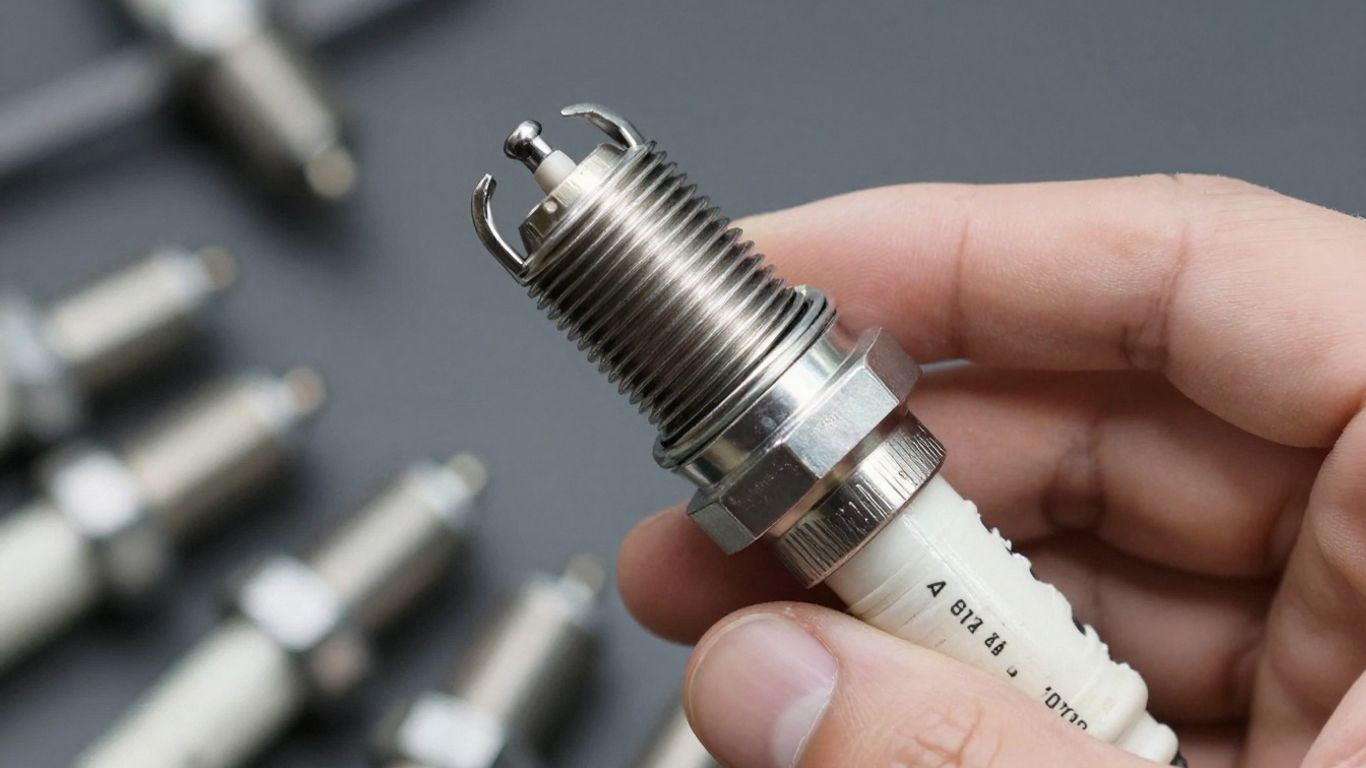
Ignition health determines how efficiently your fuel burns and how responsive the engine feels under load. Neglected plugs or coils can cause efficiency drops and trigger check engine lights that mask other underlying issues.
Diagnostic signs of failing ignition coils
Frequent stutters during acceleration often point to a failing coil pack. If you notice a persistent hesitation, examine these components for physical signs of heat distress or cracking in the outer casing.
Spark plug gap and torque requirements
Precision matters when threading new plugs into the cylinder head. Always check the gap settings provided in your service documentation and use a torque wrench to ensure you do not strip the delicate threads in the engine block.
Clearing engine misfire fault codes
Once physical replacements are complete, the engine computer needs to see that performance has returned to normal levels. You should use a scan tool to clear pending codes and confirm that all cylinders are firing within expected parameters.
Troubleshooting common electrical and sensor issues
Modern luxury vehicles are essentially rolling computers with dozens of modules communicating simultaneously. Addressing electrical faults requires a systematic approach to identify hidden sensor failures before they cascade into more severe performance problems.
Using OBD-II scanners for Audi-specific codes
General scanners often fail to translate the nuance of proprietary manufacturer codes. Investing in a tool that understands the internal language of the car modules will save you hours of guesswork when tracking down elusive electronic errors.
Battery registration and coding procedures
Replacing a battery often requires more than just connecting terminals in the newer generations of vehicles. The car’s power management system must be told that a new unit is installed to ensure the alternator charges it at the correct rate. Without this step, your electrical system might experience shortened lifespan or erratic failure of accessories.
Testing and cleaning mass airflow sensors
When engine intake readings drift, cleaning becomes the first line of defense before opting for a complete replacement. Follow these steps to perform this maintenance correctly:
- Locate the sensor housing between the air filter and the throttle body.
- Carefully unscrew the assembly without touching the internal heated wire.
- Apply a specialized aerosol cleaner in short, controlled bursts.
- Allow the sensor to air dry completely before reinstallation.
Following these simple routines ensures your engine receives accurate air fuel ratio telemetry, preventing stalling or inefficient power delivery during city driving.
Preserving chassis and suspension integrity
Maintaining the structural connection between the tires and the body is critical for cornering precision. Neglecting suspension wear can lead to uneven tire wear, pulling steering, and a general decline in the premium, grounded feel that characterizes these luxury platforms.
Inspecting control arm bushings for wear
Suspension bushings take a beating over time, especially with poor road conditions. Look for visible tearing in the rubber inserts; a firm ride with sudden creaks during turning is a primary indicator of degraded mounting points that require attention.
Techniques for replacing cabin air filters
Clean air quality depends entirely on the condition of your filtration media. If you struggle with persistent allergens or weak airflow from the climate controls, changing out this filter is usually a quick affair involving a simple compartment panel behind the glove box or in the engine cowl.
Identifying fluid leaks in air suspension systems
Many high-end models utilize pressurized air to maintain ride height. Keep a close watch for drops in ride levels while the vehicle is parked, as small leaks in these hoses or struts can put excessive strain on the air compressor, leading to total system failure if left unaddressed for too long. If you face burnout with manual record-keeping for these repairs, consider how manual lead follow-up systems reflect the same struggle of tracking important tasks, and use automated tools to ensure your maintenance schedule remains on track rather than becoming an after-thought.
Conclusion
Taking charge of your own mechanical needs provides a unique insight into the engineering excellence of your vehicle while helping you avoid unnecessary shop visits. By consistently applying the right data, tools, and safety protocols, you can preserve the performance and value of your car for years to come. Remember that steady, manual effort is the most rewarding way to build a deeper connection with your machine.
Frequently Asked Questions
How often should I check my engine oil level?
It is recommended to check the oil levels at least once every few weeks, particularly if you drive frequently in high-performance conditions, to ensure your engine remains protected.
What do I do if an engine check light appears suddenly?
Use a diagnostic scanner to pull the stored fault codes immediately, which provides the necessary clarity to determine if the vehicle is safe to continue driving or requires professional attention.
Can I perform my own transmission fluid service?
While possible for advanced DIYers, transmission service requires specialized temperature measuring equipment and, in some cases, computer software to fill and level the fluid correctly.
How can I know if I have the correct parts for my specific vehicle?
Always verify parts using your vehicle identification number, as parts variations between minor model years can prevent proper installation and compatibility.
Should I worry about small rattles or interior noises?
Interior noises are often related to loose trim or clips rather than mechanical issues, but regular inspection of the cabin helps ensure they do not become distracting or indicative of larger assembly fatigue.
Is it safe to use aftermarket sensors for repairs?
Generic aftermarket sensors often cause performance issues due to different signal protocols, so sourcing high-quality or factory-approved components is almost always the superior choice for consistent reliability.
How do I maintain suspension components in cold climates?
Focus on keeping the rubber bushings and seals clean of road salt, as excessive salt accumulation accelerates the deterioration of protective coatings and leads to premature cracking.